
Hand Veins
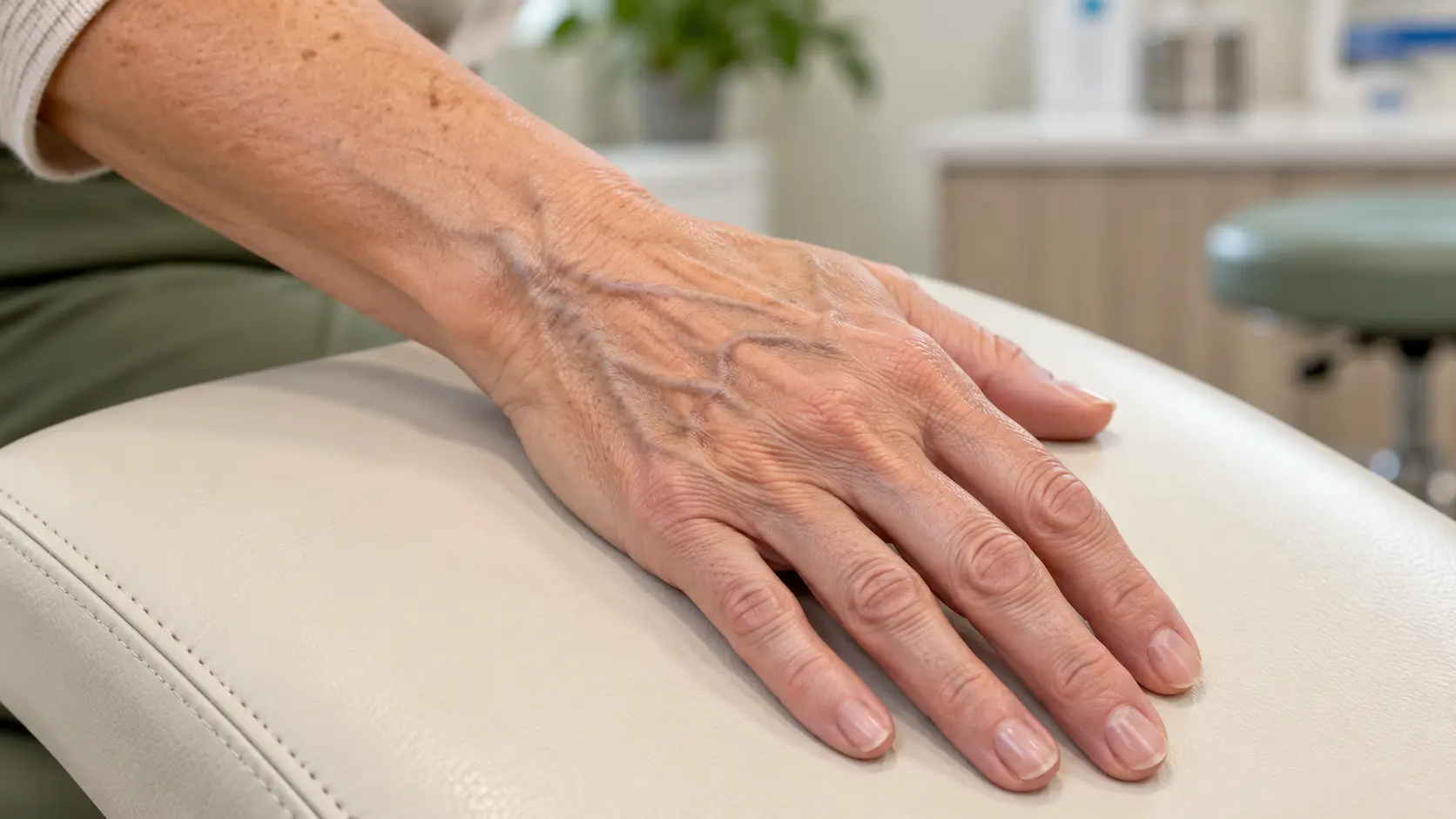
Prominent hand veins are common and often become more visible with age. Changes in the skin and loss of soft-tissue volume can make veins on the back of the hands stand out. For some people, the concern is mainly cosmetic, while others may notice tenderness or discomfort. Several treatment options can improve the appearance of a prominent hand vein, including phlebectomy and sclerotherapy. The most suitable approach depends on the size, position and characteristics of the veins.
Why Do Hand Veins Become More Visible?
- Ageing: Skin gradually becomes thinner and less elastic with age. The soft tissue beneath the skin may also lose volume, making veins, tendons and other underlying structures more visible.
- Genetics: Natural differences in skin thickness, tissue distribution and vein structure can affect how visible superficial veins appear.
- Low body fat: Reduced subcutaneous fat can make the veins beneath the skin more prominent, particularly on the backs of the hands.
- Physical activity: Regular exercise can temporarily increase blood flow and make superficial veins appear more prominent.
- Heat and blood flow: Warm temperatures and temporary changes in circulation can cause superficial veins to dilate, making them more noticeable.
- Normal venous anatomy: Prominent veins on the backs of the hands do not necessarily indicate venous disease. Unlike many varicose veins in the legs, they are not usually caused by venous valve incompetence. In many cases, normal venous anatomy combined with age-related changes explains their appearance.
Are Prominent Hand Veins a Medical Problem?
Most prominent superficial veins of the hand do not cause medical problems. However, some people may dislike their appearance or experience tenderness when they knock or press the veins.
If a hand vein suddenly changes, a clinician should assess it, particularly if it becomes painful, red, swollen or unusually hard. These symptoms can have causes other than normal cosmetic vein prominence, so ageing alone should not explain a sudden change.
A clinical assessment can help identify the cause and distinguish a cosmetic concern from a condition that may require further medical investigation.
How Are Hand Veins Assessed Before Treatment?
Treatment should start with an assessment of the individual hand rather than simply removing every visible vein. The superficial and deeper venous networks provide drainage from the hand, so the veins selected for treatment need careful consideration.
During consultation, the clinician can assess which veins are suitable for treatment and which should remain. The position, size and pattern of the visible veins all influence treatment planning.
This individual approach is particularly important because the anatomy of the hand contains superficial veins alongside nerves, arteries and other important structures. Treatment therefore requires appropriate knowledge of hand anatomy and venous drainage.
Which Treatments Can Improve Hand Veins?
Several techniques can improve prominent veins on the back of the hands. The choice depends on the appearance and characteristics of the veins.
Phlebectomy for Prominent Hand Veins
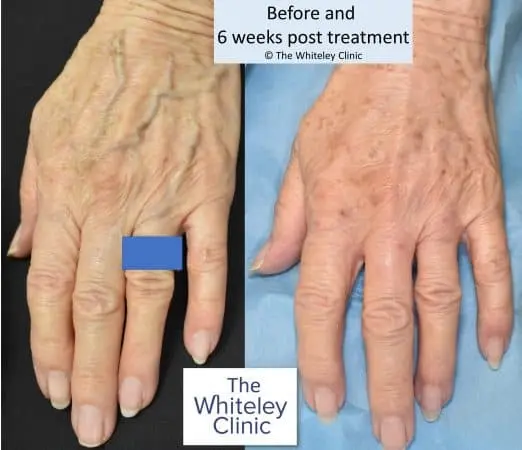
Phlebectomy is a minimally invasive technique that removes selected superficial veins through very small skin incisions. The procedure usually takes place under local anaesthetic.
For larger, clearly visible veins, phlebectomy can provide direct removal of the treated vein. Phlebectomy also has a long history of use for selected veins outside the legs, including veins on the dorsum of the hands.
Sclerotherapy for Hand Veins
Sclerotherapy offers another option, particularly for suitable superficial or reticular veins. The treatment uses a sclerosant to cause the treated vein to close and gradually become less visible.
Evidence specific to dorsal hand veins remains more limited than evidence for leg veins. However, a 2023 retrospective study evaluated foam sclerotherapy for cosmetic veins on the backs of the hands and reported significant clinical improvement in a number of patients at three months. Adverse effects were generally mild and self-limited, although coagulum formation occurred during some treatment sessions.
Earlier studies have also reported satisfactory results with foam sclerotherapy for reticular veins on the back of the hands.
Can Fillers Treat Hand Veins?
Dermal fillers do not remove a hand vein. Instead, they can restore some of the soft-tissue volume lost during ageing. This approach may reduce the overall prominence of veins, tendons and other structures.
For suitable patients, volume restoration can complement direct treatment of prominent veins. However, filler treatment and vein removal address different aspects of hand ageing and should not be considered interchangeable treatments. Reviews of hand rejuvenation support volume restoration as one component of treatment for age-related changes of the dorsal hand.
Is Hand Vein Removal Safe?
Treatment requires careful selection of the superficial veins to be treated. Removing or closing a visible vessel does not mean removing the hand’s overall venous drainage. The wider network of superficial and deep veins must therefore be considered before any procedure.
As with any medical procedure, complications are possible. The risks vary according to the treatment method, the vessels selected and the individual anatomy. A clinical assessment is therefore important before treatment, rather than choosing vessels based solely on how prominent they appear.
For sclerotherapy, a 2023 retrospective study of cosmetic veins on the backs of the hands reported no cases of superficial thrombophlebitis, ulceration or neurological complications. Some less serious local effects were observed, but these were generally mild and self-limited.
What Is Recovery Like After Hand Vein Removal?
Recovery depends on the treatment and the number of veins treated. After phlebectomy, the small treatment sites can usually heal without conventional stitches. Some bruising, swelling or tenderness may occur during the early recovery period.
The Whiteley Clinic currently advises compression gloves for one week following hand vein removal. The clinic also states that the surgical marks can become difficult to see by around four weeks. Treatment is generally planned one hand at a time so that normal hand function can be maintained during recovery.
The exact aftercare plan can vary according to the individual procedure and should follow the treating clinician's advice.
Hand Vein Treatment at The Whiteley Clinic
Treatment in this area falls within the broader field of aesthetic phlebology. In May 2025, Professor Mark Whiteley presented “Aesthetic Phlebology – a new avenue for the phlebologist – treating cosmetic veins on face, forehead, hands, arms, breasts and feet” at the Australasian College of Phlebology's Annual Scientific Meeting. The programme specifically included the hands among the areas covered.
At The Whiteley Clinic, treatment focuses on identifying which superficial vessels are suitable for removal rather than treating every visible vessel. Phlebectomy under local anaesthetic remains an established option for suitable prominent veins on the backs of the hands. However, the most appropriate approach depends on the individual anatomy and clinical assessment.
Reference