
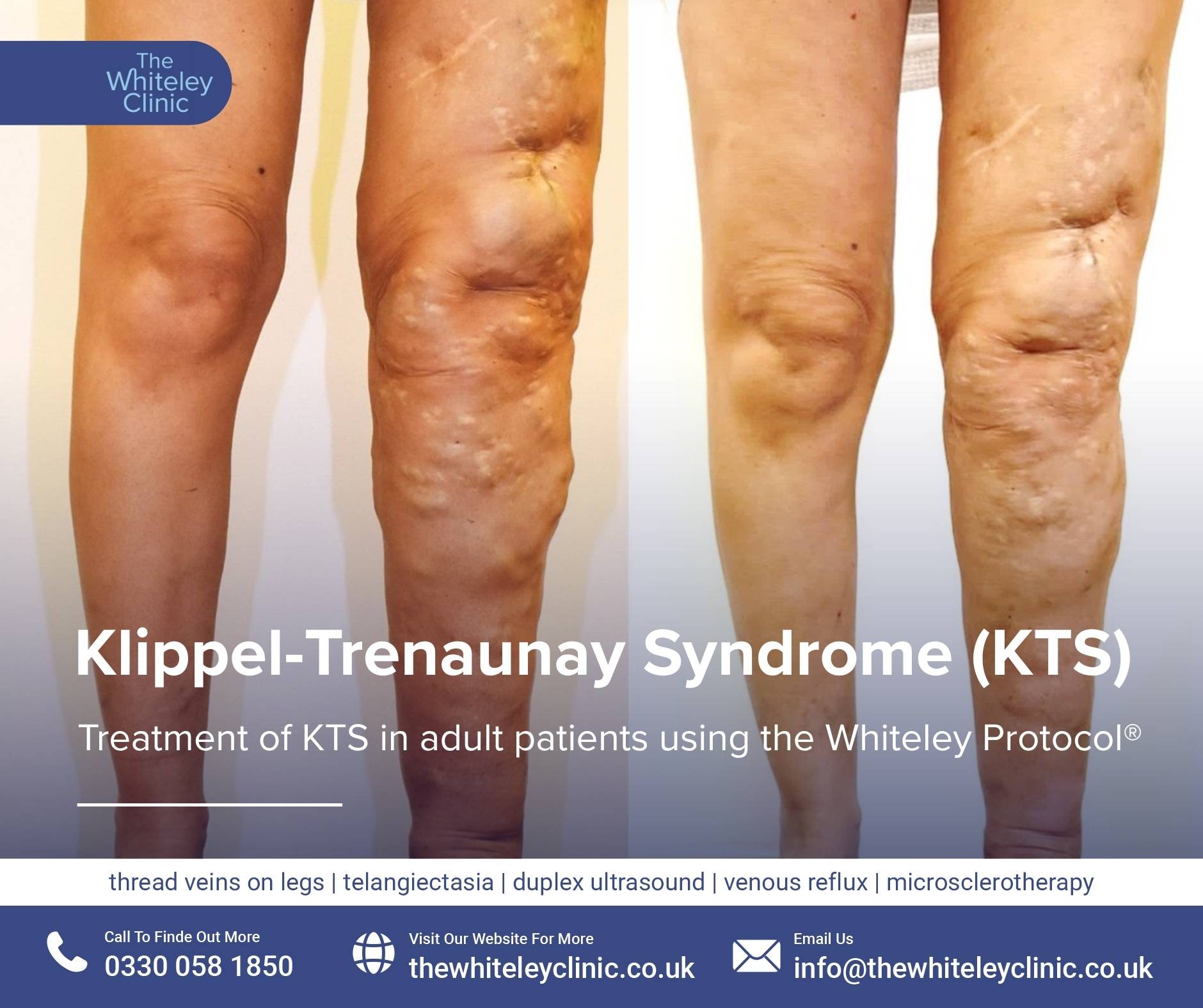
Klippel-Trenaunay Syndrome (KTS)
March 26, 2026
In an article published in The Huffington Post, Professor Mark Whiteley discusses the end of traditional vein stripping surgery. He draws on clinical evidence and 14 years of experience to highlight the advantages of modern endovenous techniques. Professor Whiteley also emphasises the necessity of updating treatment approaches within healthcare.
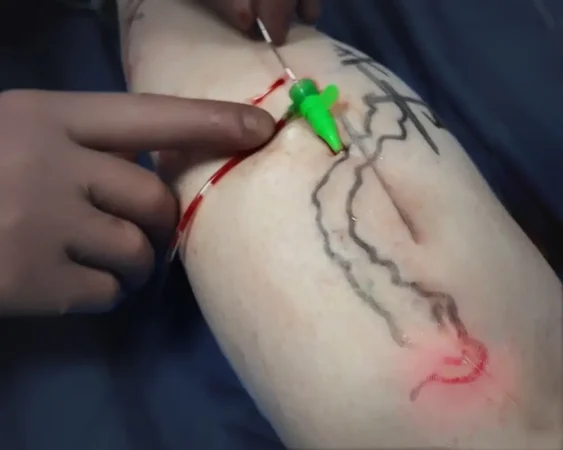
Endovenous surgery was first introduced in the United Kingdom in March 1999. This minimally invasive approach marked a significant change in traditional varicose vein treatments. Previously, the common method involved tying the vein and then stripping it from the leg. However, this approach was invasive and often painful. The first endovenous operation in the UK was performed by Professor Mark Whiteley. He is a recognised pioneer in venous surgery.
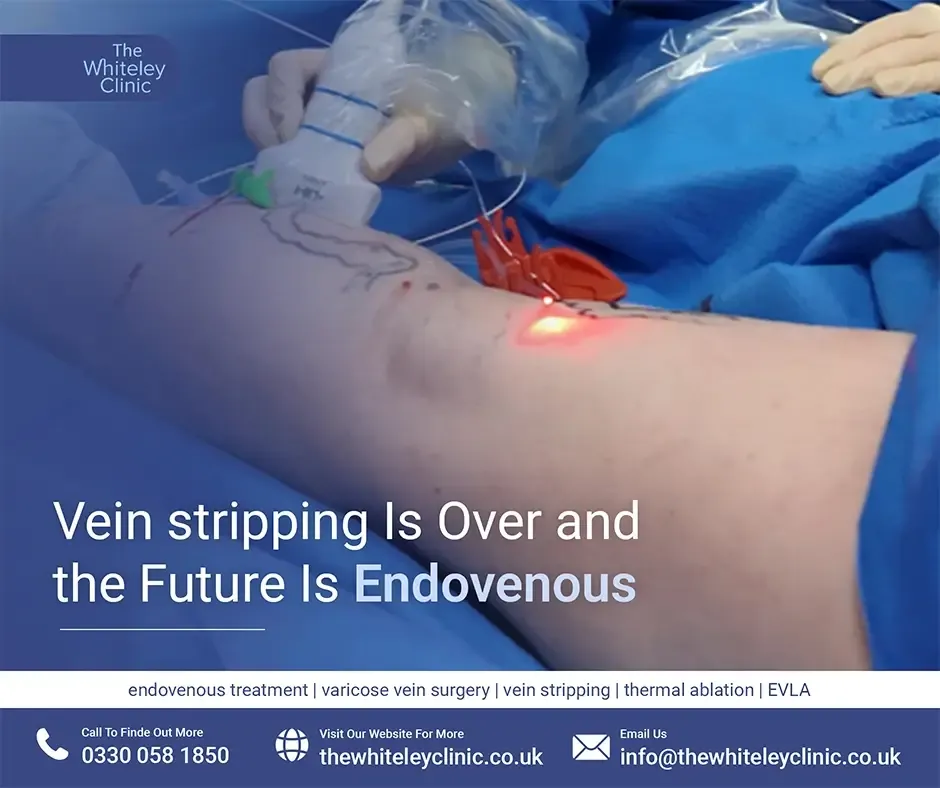
Unlike traditional vein stripping, which removes the affected vein through open surgery, endovenous procedures follow a different approach. Instead, they use a minimally invasive technique through a small pinhole in the skin. Moreover, controlled thermal energy is delivered to the vein’s inner wall using endovenous laser ablation (EVLA) or radiofrequency ablation (RFA). This heat causes the diseased vein to shrink as the protein contracts. If performed correctly, the procedure permanently seals the vein shut. As a result, abnormal blood flow stops, and symptoms of venous reflux are reduced. Additionally, research published by The Whiteley Clinic confirmed that the sealed vein is gradually reabsorbed by the body. Thus, the damaging venous reflux is removed without surgical trauma or lengthy recovery.
By 2007, studies had shown that traditional vein stripping could lead to the recurrence of varicose veins. This occurred due to the body’s natural healing response, where new veins formed to replace the stripped ones. Unfortunately, these new veins lacked valves. This made the surgery ineffective in the medium to long term. In contrast, when performed correctly, endovenous techniques keep the treated veins closed over time. Research has shown that results from endovenous procedures can remain stable for up to 14 years. Furthermore, these procedures have very low recurrence rates.
Despite strong clinical evidence supporting the effectiveness and benefits of endovenous procedures, widespread adoption was slow. This is partly due to the absence of a recognised body of vein specialists or phlebologists in the UK. As a result, most vein treatments continue to be performed by vascular or general surgeons who primarily focus on other areas of surgery. Consequently, both the NHS and private health insurers have continued to fund and support traditional vein stripping as well as increasing numbers of endovenous procedures.
A significant shift occurred when the National Institute for Health and Care Excellence (NICE) updated its guidelines in 2013. NICE then recommended endovenous thermal ablation as the first-line treatment for varicose veins. These guidelines marked a turning point. They formally moved away from vein stripping, a method used for decades. NICE now advises that foam sclerotherapy can be considered if thermal ablation is not possible or available. Vein stripping should only be used in rare cases when no minimally invasive alternatives are suitable. However, since 2005, Prof Whiteley has not found any patients who cannot be treated with endovenous techniques. By following The Whiteley Protocol®, no patient needs to undergo open surgery for varicose or hidden varicose veins.
The move away from vein stripping has major implications for improving patient outcomes. Moreover, with adequate training and adherence to evidence-based protocols, clinicians can now offer more effective treatments. These treatments result in less pain, quicker recovery, and better cosmetic outcomes. In comparison, vein stripping is far more invasive. Therefore, modern endovenous methods are far superior in both efficacy and patient satisfaction. Discover the full details and expert perspective by reading the full article here.