

How Can You Effectively Treat Calluses and Corns on Feet?
August 15, 2026
Pelvic Congestion Syndrome is a common yet frequently missed cause of chronic pelvic pain in women. At its core, the condition is driven by varicose veins in the pelvis, which disrupt normal venous drainage and lead to persistent congestion. For decades, many women were told their pain was psychological. Today, growing clinical evidence confirms a clear vascular origin and, importantly, an effective treatment pathway.
Pelvic Congestion Syndrome (PCS) affects women most often during their reproductive years. However, delayed diagnosis remains common. As a result, symptoms may persist for years before the underlying venous disorder is identified. Understanding the condition, the diagnostic challenges, and modern treatment options is therefore essential.

Chronic pelvic pain has long posed a diagnostic dilemma. In many cases, clinicians first exclude gynaecological causes such as endometriosis, ovarian cysts, or pelvic infection.
When investigations appear normal, historically, healthcare providers have labeled symptoms as psychosomatic.
This approach has disproportionately affected women.
For many years, healthcare providers often attributed persistent pain in the lower abdomen to anxiety, emotional distress, or psychosocial factors.
Understandably, this left many patients feeling dismissed and unheard.
However, medical research has since challenged this narrative. More than sixty years ago, researchers proposed that venous dilation within the pelvis could explain these symptoms.
Only in recent decades have advancements in imaging technology allowed researchers to properly test this theory.
The primary cause of Pelvic Congestion Syndrome is varicose veins in the pelvis. These veins commonly involve the ovarian veins and the internal iliac veins. When valves within these veins fail, blood flows backwards. This pathological reflux leads to venous dilation and sustained pelvic congestion.
Over time, engorged veins irritate surrounding tissues. Consequently, women may experience dull, aching pelvic pain, often worse after prolonged standing, during or after intercourse, or in the premenstrual phase. Symptoms may intensify with each pregnancy, as hormonal changes and increased venous pressure further weaken vein walls.
Correct diagnosis is the most critical step in managing Pelvic Congestion Syndrome. Without identifying the venous cause, treatment remains ineffective.
Advanced research has shown that transvaginal duplex ultrasonography provides the most accurate haemodynamic assessment of pelvic venous reflux. Unlike MRI, CT, or conventional venography, this ultrasound technique allows real-time evaluation of blood flow, valve competence, and vein diameter.
Clinical studies published in peer-reviewed literature demonstrate that transvaginal duplex ultrasonography identifies pathological reflux with high accuracy and minimal false results. This evidence supports its role as the most reliable investigative tool for assessing varicose veins in the pelvis.
Published research reveals further details on this diagnostic approach.
https://pubmed.ncbi.nlm.nih.gov/25324278/
Transvaginal duplex ultrasound examines the ovarian and internal iliac veins under physiological conditions. Importantly, it allows assessment while the patient performs manoeuvres that provoke reflux.
Studies comparing ultrasound findings with treatment outcomes from pelvic vein embolisation reveal striking consistency. In these studies, ultrasound correctly identified veins responsible for symptoms, with no false-negative diagnoses reported. This level of diagnostic confidence is essential when planning targeted treatment.
As a result, healthcare professionals increasingly recognize transvaginal duplex ultrasonography as the investigation of choice for suspected Pelvic Congestion Syndrome.
Once medical professionals identify pathological veins, they can directly address the underlying cause with treatment. The most established intervention is pelvic vein embolization.
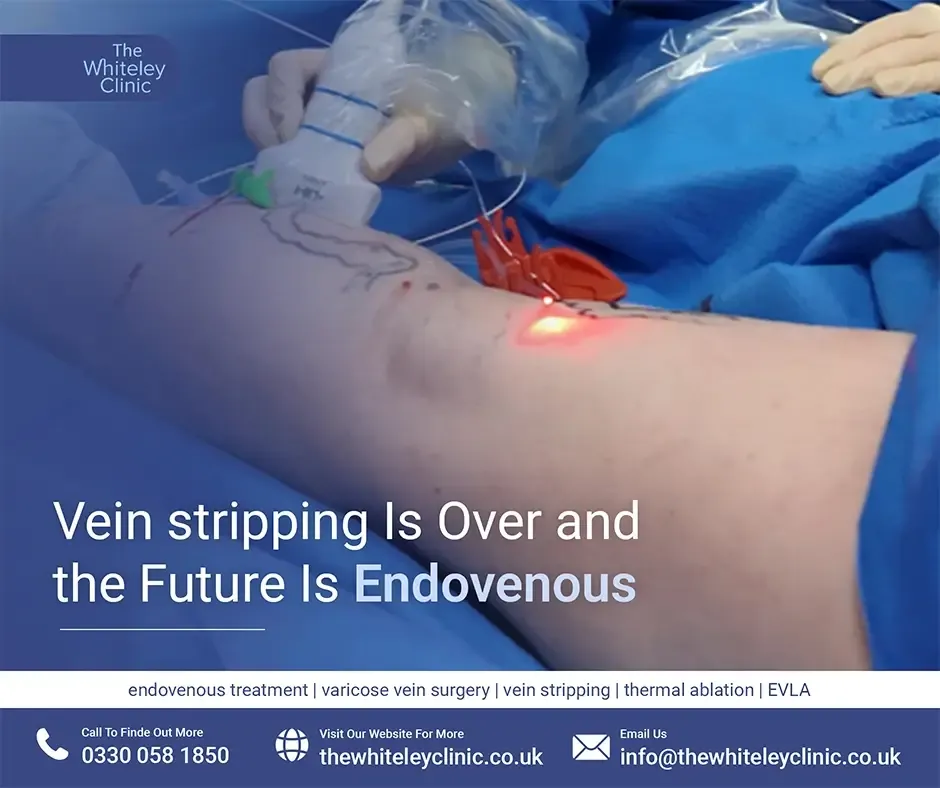
This minimally invasive procedure takes place under local anaesthetic. Using X-ray guidance, medical professionals introduce a catheter through a vein in the groin or neck and advance it into the affected pelvic veins. They then close the dilated veins using fine titanium coils. By eliminating reflux, they restore normal venous circulation and resolve pelvic congestion.
Long-term studies show that embolisation provides sustained symptom relief for the majority of patients. Importantly, recovery is rapid, and serious complications are rare.
Further information on this treatment technique is available here!
Recent outcome data confirm that embolisation remains effective years after treatment. Most patients experience significant reduction in pain, improved quality of life, and reduced reliance on analgesics.
Although embolisation success depends on accurate vein selection, modern imaging has greatly improved precision. As a result, the procedure now represents a cornerstone in the management of varicose veins in the pelvis.
Public awareness has played an important role in highlighting Pelvic Congestion Syndrome. The Telegraph published a feature that drew attention to the reality of pelvic pain, which was once dismissed as imagined. The article emphasized both the physical basis of the condition and the availability of effective treatment.
The full article published in The Telegraph can be read by clicking here.
Such coverage has helped validate patient experiences and encouraged earlier referral for vascular assessment.
Pelvic venous disease requires specific expertise. Specialist vein centres with experience in pelvic imaging and embolisation offer the most reliable outcomes. Centers that routinely assess varicose veins in the pelvis identify complex reflux patterns more effectively and tailor treatment accordingly.
As understanding of Pelvic Congestion Syndrome continues to grow, early recognition and accurate diagnosis remain essential. condition once considered elusive.