
How Can You Effectively Treat Calluses and Corns on Feet?
August 15, 2026
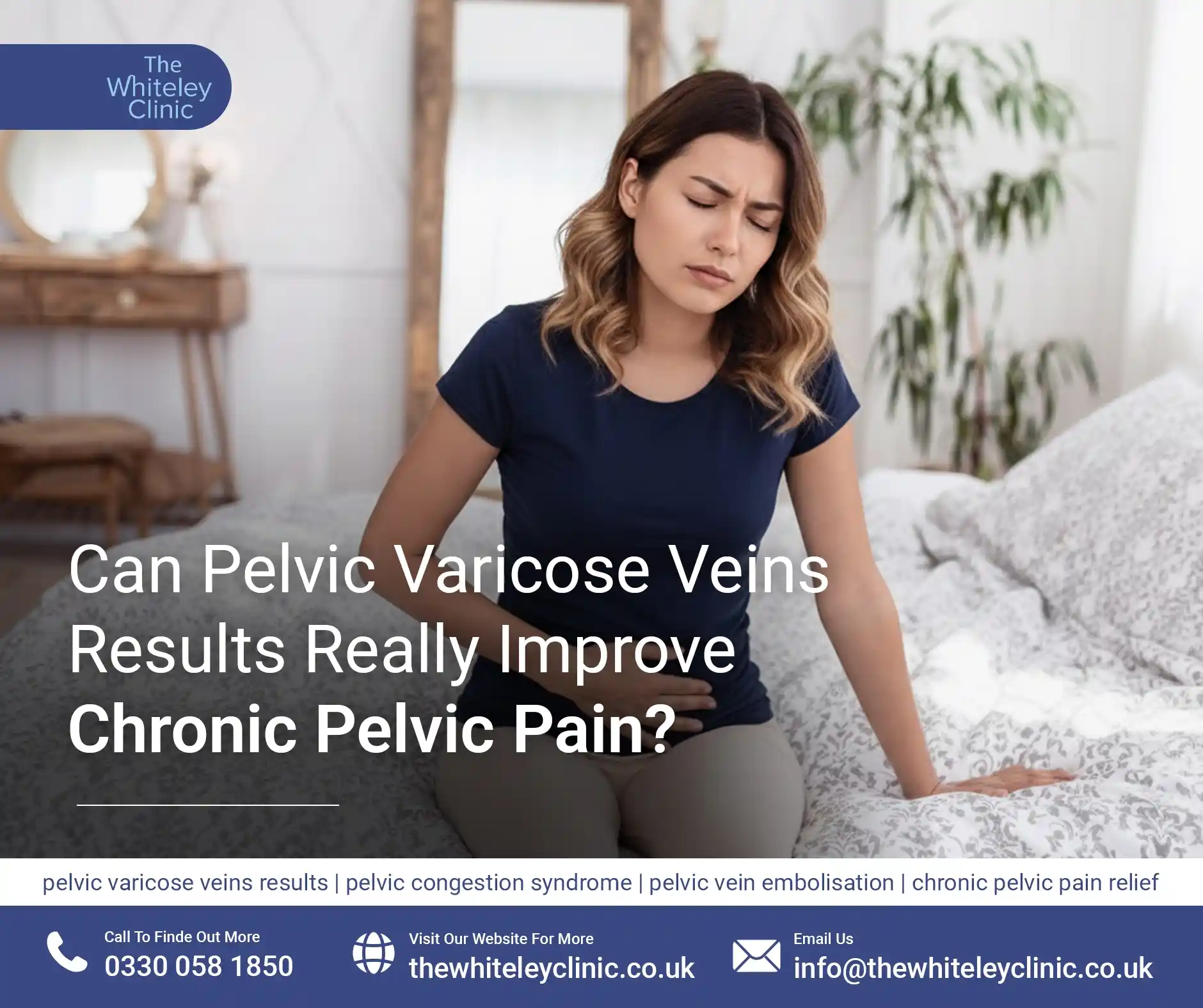
Pelvic Varicose Veins Results have become an important subject in vascular medicine, particularly for patients suffering from chronic pelvic pain or unexplained varicose veins in the legs and genital area. This article explores the link between pelvic congestion syndrome, its symptoms, causes, and how modern treatments such as pelvic vein embolisation provide reliable long-term outcomes.
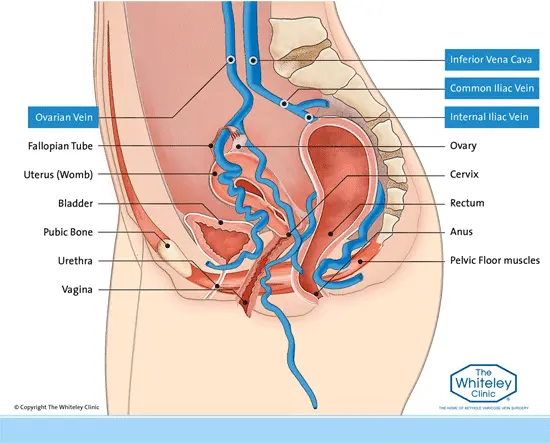
Pelvic congestion syndrome (PCS) occurs when faulty valves in the pelvic veins fail, causing blood to flow backward. This backward flow, which doctors call pelvic vein reflux, significantly increases pressure within the veins. This abnormal reflux increases pressure within the pelvic veins, eventually leading to the development of varicose veins around the uterus, ovaries, bladder, bowel, and even extending to the vulva, vagina, and legs.
Women are particularly vulnerable to PCS, especially those who have experienced multiple pregnancies. Hormonal changes and increased blood flow during pregnancy can weaken vein walls and valves, setting the stage for chronic venous insufficiency in the pelvic area.
Patients with PCS often experience subtle symptoms that overlap with other conditions, which makes doctors’ diagnosis challenging. Nevertheless, researchers and clinicians have identified certain signs that clearly indicate pelvic venous disorders. These signs include:
Understanding these symptoms is crucial for patients seeking clarity about their Pelvic Varicose Veins Results and considering treatment options.
The primary cause is valve failure in the ovarian or internal iliac veins. Without working valves, blood refluxes and pools, stretching the veins. Over time, this creates large, twisted varicose veins that contribute to the negative Pelvic Varicose Veins Results that many patients experience. Factors influencing this condition include pregnancy, hormonal changes, and a genetic predisposition to weak vein walls.
Read More: How Do Veins Work?
Historically, surgeons often could not achieve lasting Pelvic Varicose Veins Results when they treated PCS using open surgery or laparoscopic techniques. Moreover, these surgical methods involved invasive procedures, posed higher risks, and produced disappointing outcomes. Therefore, doctors needed to find a minimally invasive alternative.
Pelvic vein embolisation (PVE) is now considered the gold standard treatment for pelvic congestion syndrome. The procedure, which is minimally invasive, takes place under local anaesthetic, with a catheter being carefully directed from the neck’s jugular vein into the problematic pelvic veins under X-ray guidance.
Once the target vein is identified, metal coils or a safe material such as Gelfoam are released to block it permanently. By eliminating reflux, pressure is reduced and the abnormal veins begin to shrink.
When comparing Pelvic Varicose Veins Results after embolisation with those of older surgical techniques, the difference is striking. Embolisation is safer, less traumatic, and offers faster recovery times. For a more detailed explanation of how this procedure works, patients can read further about pelvic vein embolisation.
Since the early 2000s, The Whiteley Clinic and other centres worldwide have reported promising outcomes with embolisation. Long-term studies demonstrate that the majority of patients experience significant symptom relief, reduction of pelvic varicose veins, and a lower recurrence rate of leg varicose veins when compared to untreated cases.
These findings are reassuring for patients who want reliable and durable Pelvic Varicose Veins Results. In fact, published research highlights the effectiveness of coil embolisation for pelvic vein reflux over many years. For those interested, more details on the long-term results of coil embolisation can be found in peer-reviewed literature.
Most patients notice gradual improvement in pelvic pain, heaviness, and visible varicose veins within weeks of treatment. Vulval and vaginal varicose veins often shrink, and the risk of recurrent leg varicose veins decreases significantly. These outcomes highlight the positive Pelvic Varicose Veins Results seen in clinical practice.
In rare cases, about 1 in 100 patients, some reflux may remain and require a repeat embolisation. However, the vast majority achieve full symptom relief after a single procedure. The long-term safety and success of embolisation, backed by decades of vascular experience with coils and Gelfoam, confirm its role as a trusted option for patients seeking reliable results.
For those suffering from chronic pelvic pain, unexplained varicose veins, or visible genital varicose veins, PCS may be the underlying cause. Understanding the condition and recognising its symptoms are the first steps. Today, thanks to embolisation, patients no longer need to rely on outdated or invasive surgical methods.
The evidence shows that Pelvic Varicose Veins Results after embolisation are highly encouraging. With strong long-term data supporting the procedure, patients can move forward with greater confidence, knowing they have a proven solution to an often overlooked but highly disruptive condition.