
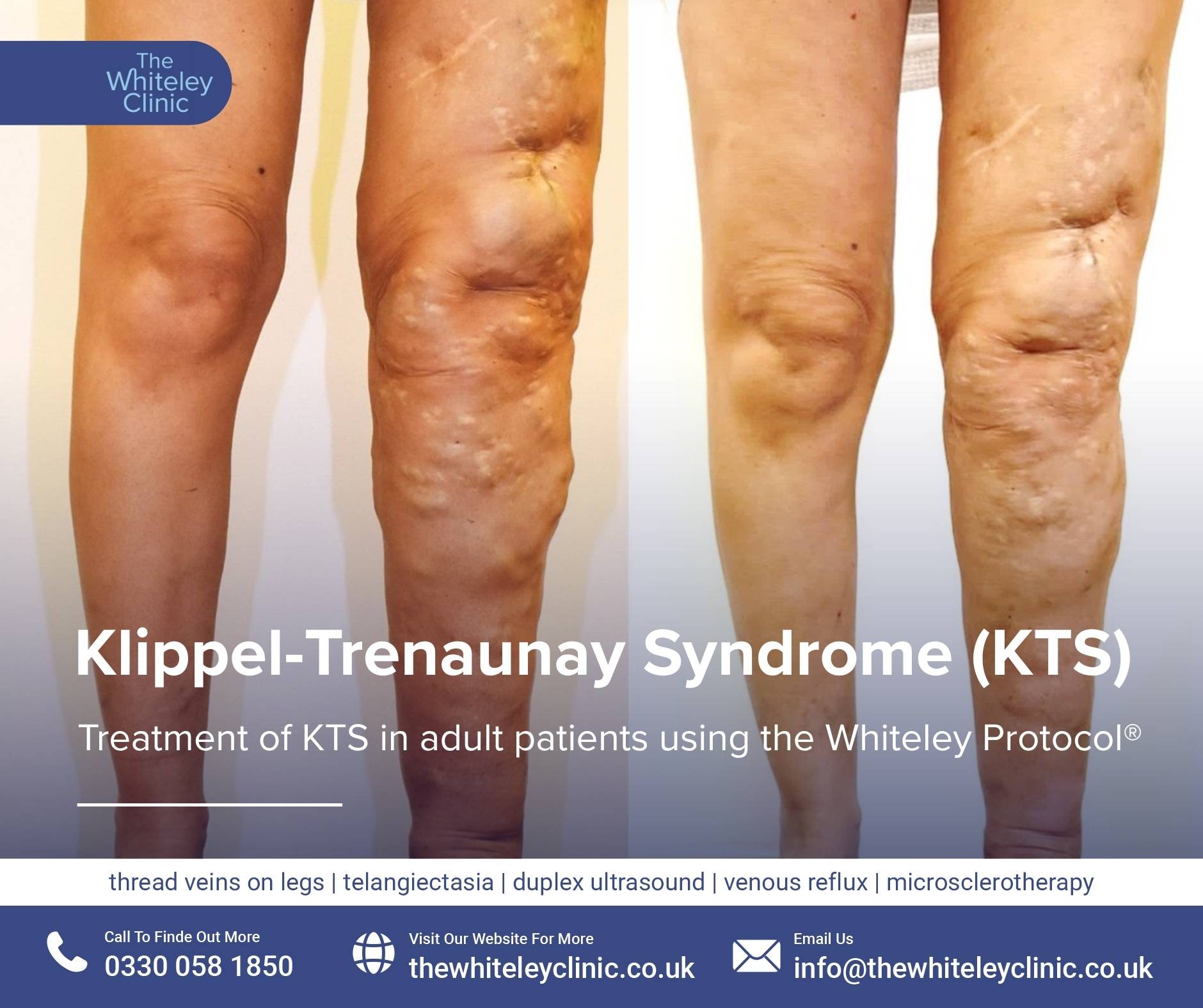
Klippel-Trenaunay Syndrome (KTS)
March 26, 2026
Reduce chances of Deep Vein Thrombosis (DVT) with these top tips from Professor Mark Whiteley. If you are flying away to your dream holiday destination this summer then these tips will help reduce the chances of a clot developing.
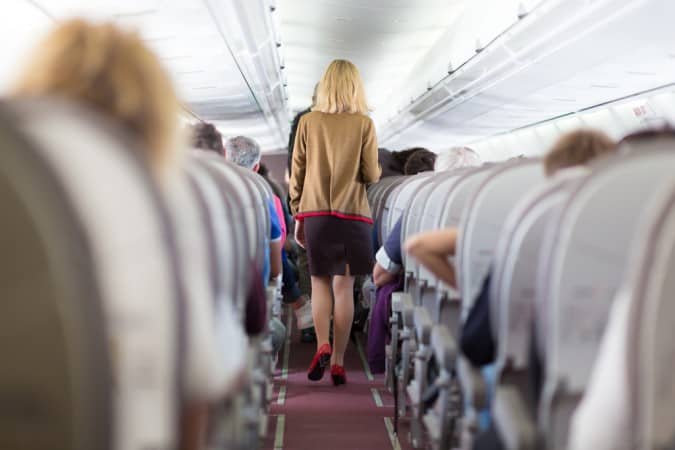
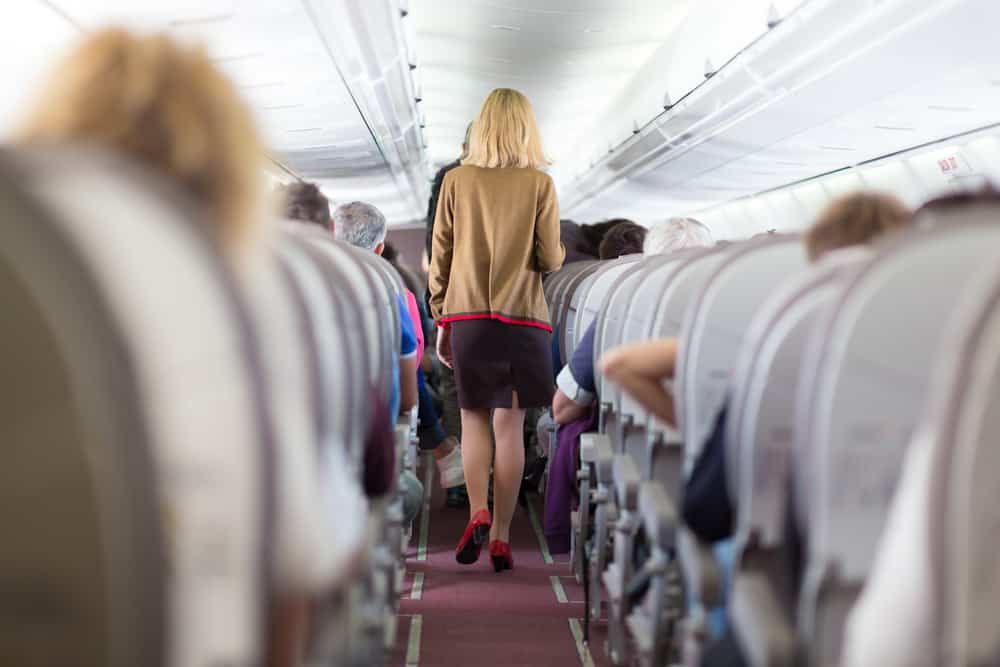
Remaining active on a long flight will help prevent a DVT
Blood vessels are lined with a special sort of cell which prevents normal blood from clotting on it. Smoking can seriously damage these cells, enabling blood to clot. This increases the risk of DVT. In the three months leading up to a long haul flight, it is recommended that you try and give up smoking.
Blood flow in the deeper veins becomes very sluggish when we reduce our levels of activity so it is important to remain active in the build-up to a long haul flight. Keep as active as possible before you board the plane. Get up for walks at least once an hour if you are on a long haul flight.
Invest in a decent pair of properly fitted flight stockings – medically called below the knee graduated compression stockings. These speed up the flow of blood in the veins, reducing the risk of the blood clotting.
If we do not drink enough water, the composition of our blood changes and becomes more concentrated. Drink plenty of water on a long haul flight. If we become dehydrated, the blood becomes more concentrated. Being dehydrated coupled with long periods of inactivity can increase the risk of a clot forming.
We all tend to increase our alcohol consumption when on holiday. Not only will the alcohol cause dehydration but it will also act as a diuretic. This means that although fluid is being taking in, more is being passed out in the form of urine and this heightens the risk of a clot forming. The same applies for caffeine so balance alcohol, tea and coffee with water or fruit juice to keep hydrated. --------------------------------------------------------------------------------------------------------------------------------------------- If you suspect you have a DVT, it is of vital importance that you seek out a specialist vascular service who can scan your legs with duplex ultrasound. A proper DVT scan will include all veins from ankle to groin, including the pelvic veins.