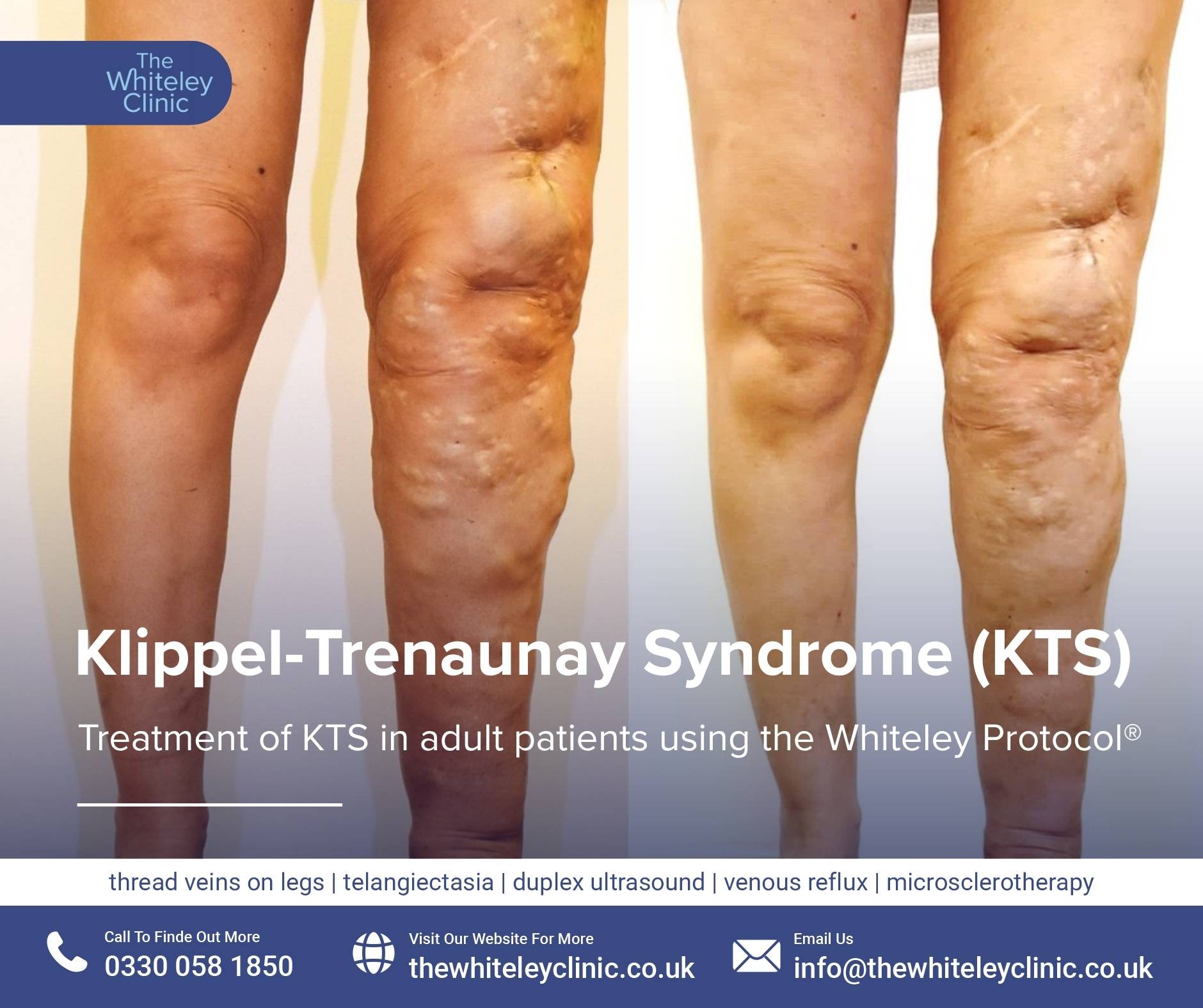
Klippel-Trenaunay Syndrome (KTS)
March 26, 2026
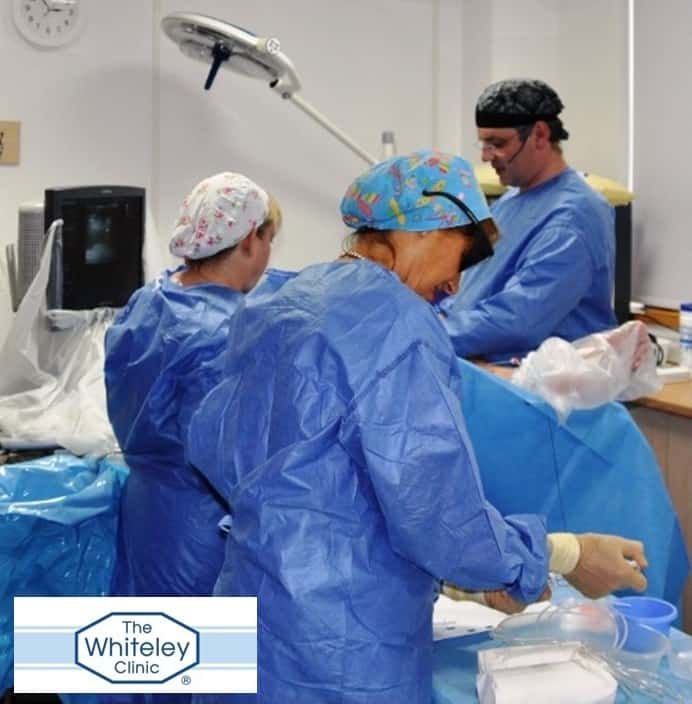
Reducing pain of varicose vein surgery has been a priority of The Whiteley Clinic. This latest research studied how pain and anxiety can be reduced under local anaesthetic varicose vein surgery. This sort of surgery is also called "keyhole" or endovenous surgery for varicose veins.
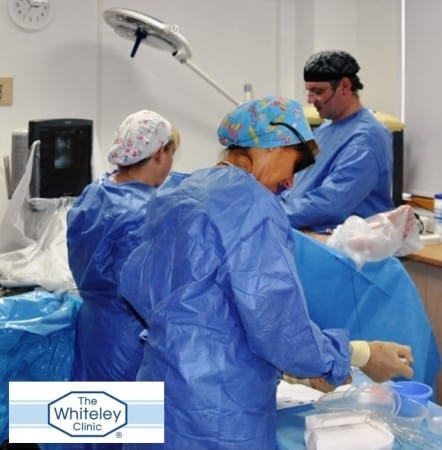
Reducing pain of varicose vein surgery - Research from The Whiteley Clinic and University of Surrey
The research showed that both:
both significantly reduced the pain and anxiety of the varicose vein surgery. Interesting, watching a DVD during the surgery reduced the anxiety, but not the pain of varicose vein surgery. Listening to music had no effect.
This study is part of the continuing research program that makes treatment at The Whiteley Clinic unique. This project was funded by The Whiteley Clinic and was performed at our The Whiteley Clinic, Guildford. The researcher, Briony Hudson, was supervised by Prof Jane Ogden at The University of Surrey and Prof Mark Whiteley. Her work has been submitted to the University of Surrey and she was awarded her PhD in Autumn 2014. The work is going to be published:
See link: www.medicaldaily.com