
How Can You Effectively Treat Calluses and Corns on Feet?
August 15, 2026
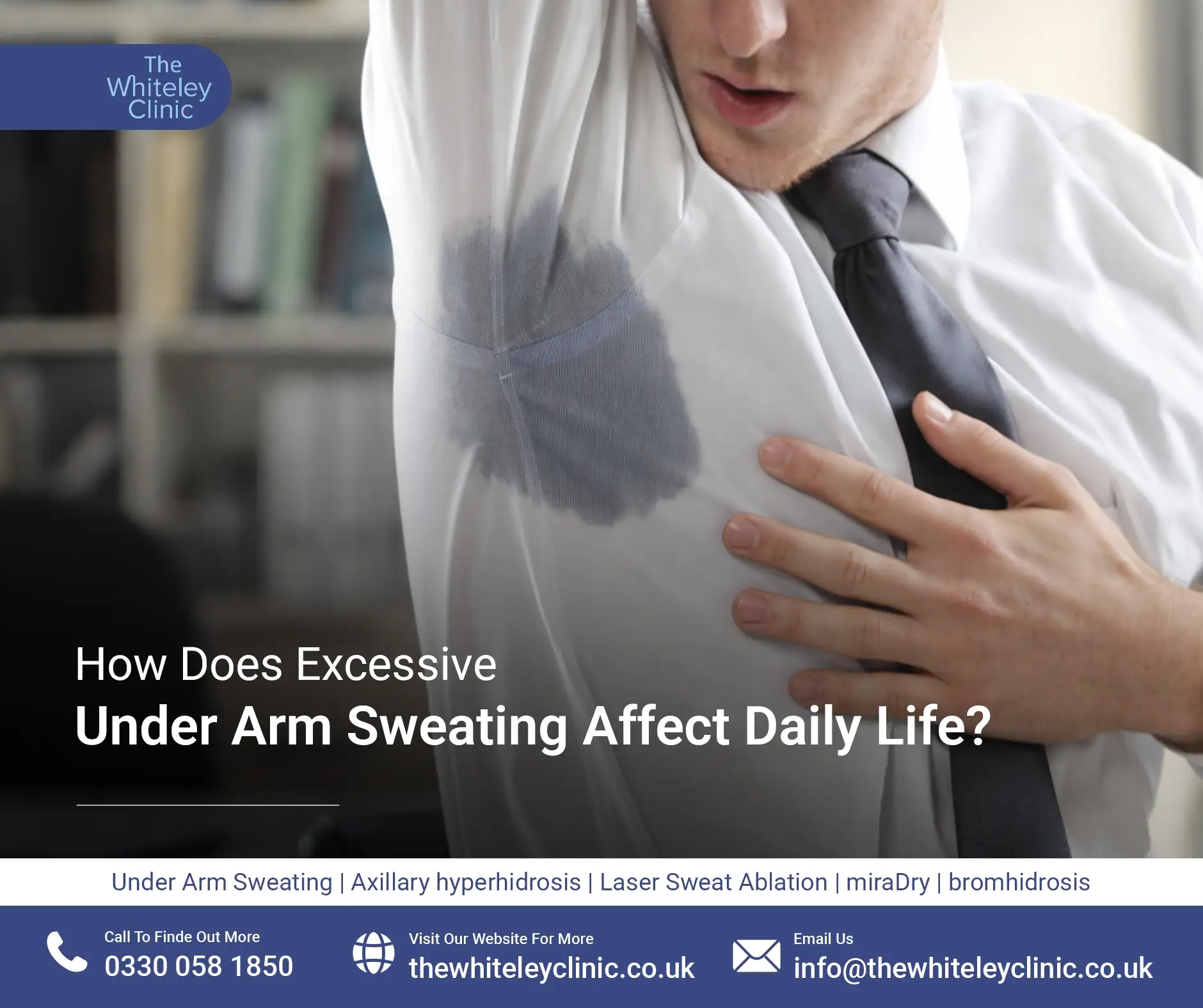
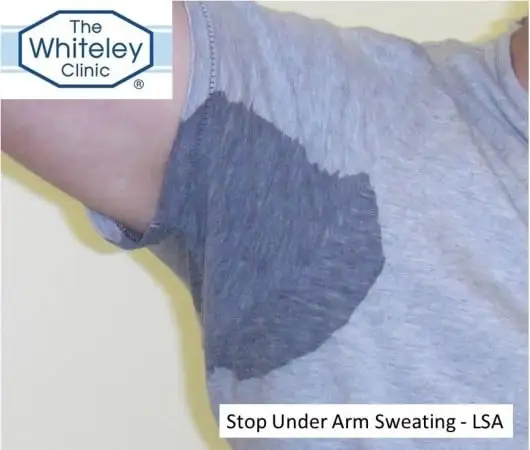
Under arm sweating is a common physiological process. However, for many individuals, it becomes excessive, persistent, and socially limiting. Chronic under arm sweating, clinically known as axillary hyperhidrosis, can affect professional performance, social interactions, clothing choices, and overall self-confidence.
This article explores Laser Sweat Ablation (LSA) as a treatment option that was previously used, explains how the technique evolved by 2015, outlines its clinical limitations, and clarifies what patients could realistically expect from the procedure. It also explains how advances in medical technology have led to the introduction of newer treatment options, such as miraDry®, which is currently available at Absolute Aesthetics.
Sweating plays a vital role in thermoregulation. Eccrine sweat glands, which are abundant in the axillae, help regulate body temperature by releasing sweat. In people with axillary hyperhidrosis, however, these glands become overactive without appropriate triggers such as heat or physical exertion.
As a result, under arm sweating may occur even at rest or in cool environments. In many cases, this condition appears alongside bromhidrosis, where bacterial breakdown of sweat causes persistent odour. Importantly, excessive sweating is not linked to poor hygiene and often does not respond adequately to topical antiperspirants.
Excessive under arm sweating extends beyond physical discomfort. Clothing can become visibly soaked within minutes, which often forces frequent outfit changes and limits colour choices. As a result, social anxiety may develop, particularly in professional settings or close interpersonal interactions.
In addition, persistent moisture increases the risk of skin irritation, maceration, and secondary infections. Over time, these factors can significantly reduce quality of life. For many patients, the psychological burden has proven just as disruptive as the physical symptoms.
Laser Sweat Ablation, commonly known as LSA, was introduced in the UK in 2009 as a minimally invasive technique designed to reduce under arm sweating. By 2015, clinicians had refined the method to improve precision and safety.
LSA targeted sweat glands directly by delivering laser energy beneath the skin through a fine cannula. The laser selectively ablated sweat-producing glands while preserving surrounding structures. Unlike systemic treatments, this localised approach focused exclusively on the affected area.
Following its introduction, the LSA technique continued to evolve. One major development involved the design of a specialised laser cannula that improved access to axillary sweat glands. This innovation allowed clinicians to deliver energy more precisely and achieve more consistent outcomes.
As a result, complication rates decreased while treatment efficacy improved. These refinements also led to a more predictable reduction in under arm sweating rather than complete sweat cessation, which remained an important clinical distinction.
Several patients who underwent LSA with Professor Mark Whiteley shared their experiences. Dr CL, a doctor in his 30s with hyperhidrosis and bromhidrosis, reported:
Mrs AE, a woman in her 20s with hyperhidrosis, stated:
These accounts demonstrate how many patients experienced significant reductions in under arm sweating and noticeable improvements in quality of life. Many also reported greater confidence, increased freedom in clothing choices, and reduced reliance on antiperspirants. In most cases, these benefits stabilised once the healing process was complete.
Clinicians typically performed LSA as a day-case procedure under local anaesthesia. During treatment, patients often experienced mild pulling sensations but generally reported minimal pain. The laser fibre entered through small access points, which limited surface trauma.
After the procedure, temporary swelling, bruising, and skin irregularity could occur. Healing progressed gradually, and surface scabbing usually resolved over time. Residual redness or mild scarring sometimes persisted for several months but typically improved as the skin remodelled.
LSA did not suit every patient. Individuals with a history of extensive axillary surgery or severe infections in the underarm region were not always appropriate candidates. Therefore, formal sweat testing and specialist consultation remained essential before treatment.
Importantly, LSA aimed to restore sweating to normal physiological levels rather than eliminate sweating completely. During intense exercise or exposure to high temperatures, sweating still occurred. Clinicians considered this outcome a sign of healthy thermoregulation rather than treatment failure.
Successful management of under arm sweating depended on realistic expectations. LSA provided long-term reduction rather than absolute elimination of sweat production. When specialists selected patients appropriately, many experienced sustained improvements in daily comfort and social confidence.
By targeting excessive sweat at its source, LSA offered a durable option for individuals whose symptoms had not responded to conservative treatments.
Under arm sweating can create significant physical, emotional, and social challenges. By 2015, Laser Sweat Ablation had become a refined, minimally invasive option capable of reducing excessive axillary sweating to more normal levels when performed following appropriate assessment.
The Daily Mail featured an article examining laser surgery for excessive sweating, providing further background on the early public discussion of laser treatment.
As medical science continued to advance, newer technologies focused increasingly on patient comfort, non-invasive delivery, and faster recovery. These developments led to the introduction of miraDry®, which has since replaced laser-based techniques in many practices.
Today, patients seeking effective and modern treatment for under arm sweating can receive miraDry® at Absolute Aesthetics. This non-invasive treatment offers permanent sweat reduction with minimal downtime while maintaining normal physiological balance.
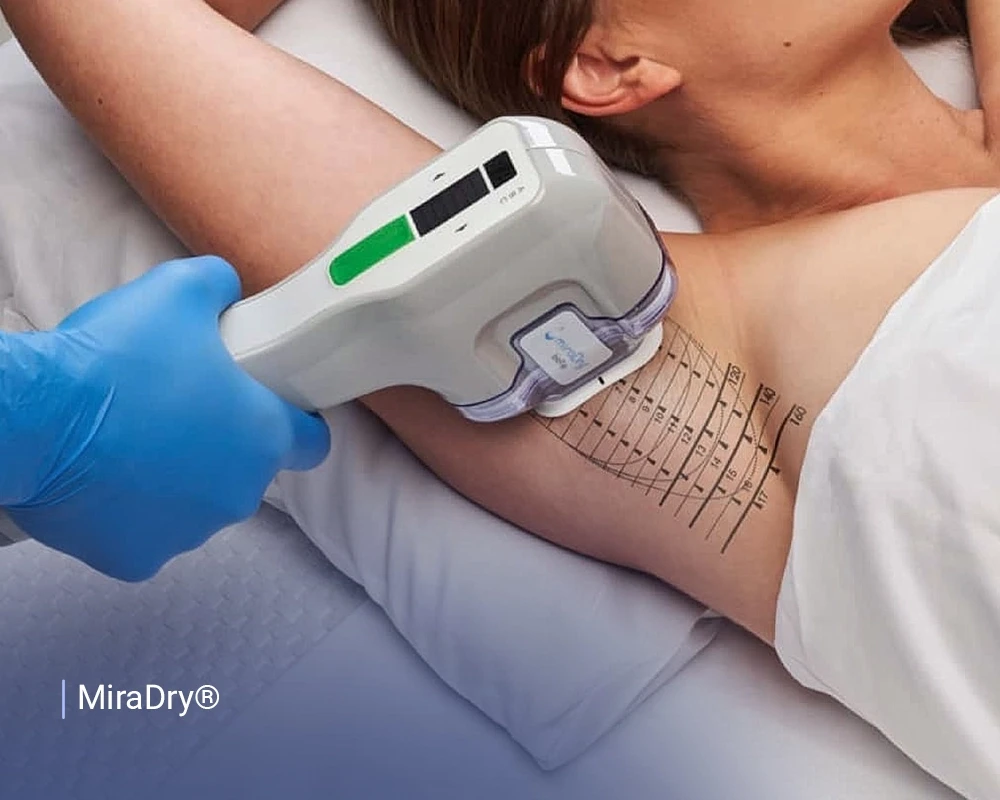
The experienced team provides personalised assessments and expert guidance to ensure the most suitable treatment is selected.
Patients can now access miraDry®, an advanced treatment developed in response to medical progress and patient needs. Through tailored care and professional consultation, Absolute Aesthetics helps patients regain confidence and enjoy a more comfortable, sweat-free lifestyle.