
How Can You Effectively Treat Calluses and Corns on Feet?
August 15, 2026
Thread veins on legs often appear harmless at first glance, yet many individuals discover that treating them is far more complex than expected. The small red or blue lines may seem superficial, but their presence frequently signals an underlying venous disorder. This connection became widely discussed after the 2014 Daily Mail feature in which beauty journalist Sarah Vine highlighted key insights from Professor Mark Whiteley. Her report brought public attention to the importance of accurate diagnosis before any cosmetic treatment. This article explores the medical background, diagnostic essentials, and modern treatment pathways for thread veins on legs, drawing inspiration from that influential feature while expanding on current clinical knowledge.
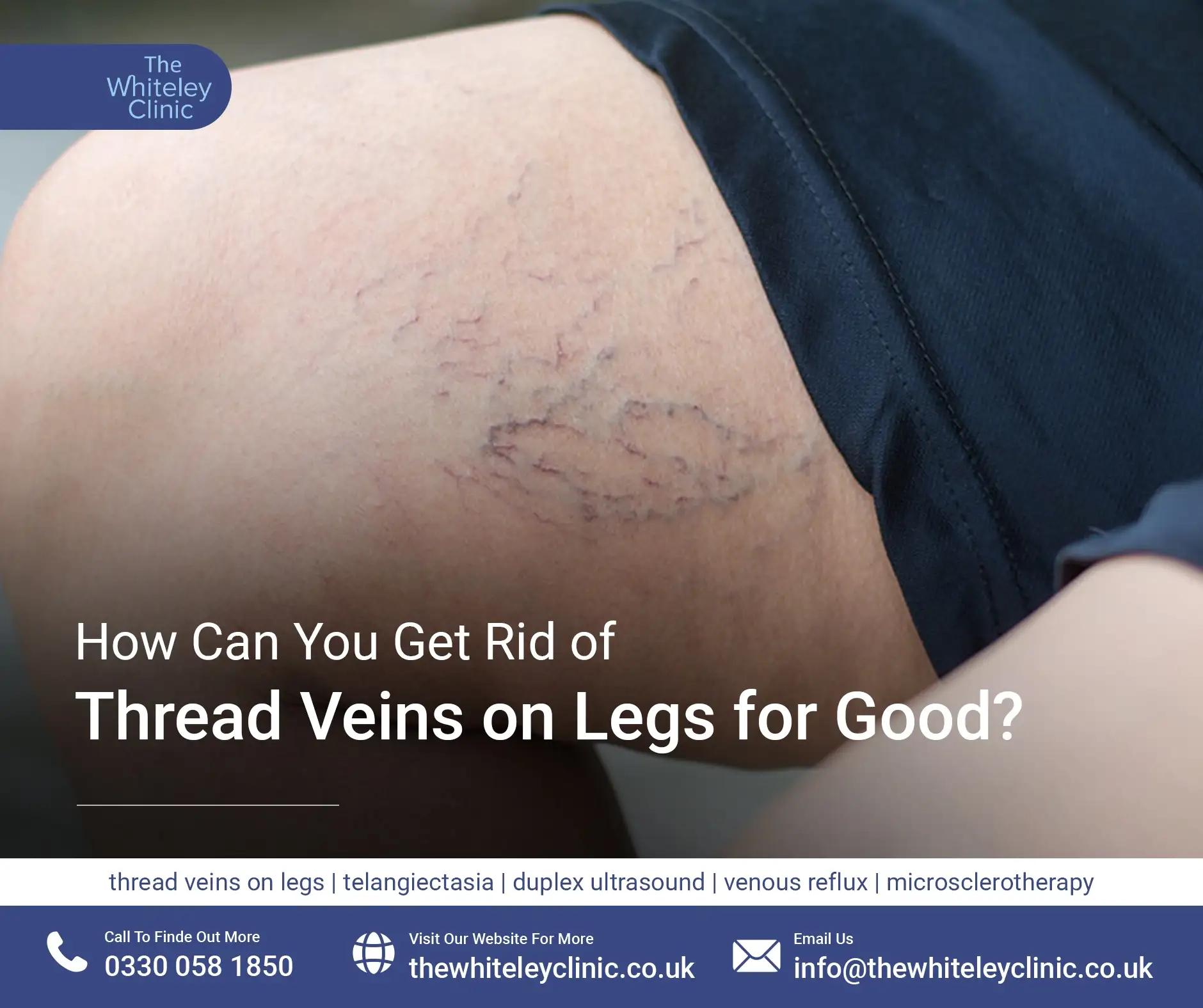
Thread veins, medically called telangiectasia, are small dilated blood vessels that appear close to the skin surface. Although many people view them as a cosmetic nuisance, their development often reflects deeper venous dysfunction. In fact, research presented by Professor Whiteley and other vascular specialists has emphasised that thread veins on legs frequently occur due to venous hypertension caused by incompetent valves in the superficial venous system.
Because of this, thread veins rarely behave independently. Instead, they may represent visible evidence of what clinicians refer to as “hidden varicose veins”. These are dysfunctional veins not immediately noticeable on the skin surface but clearly visible on duplex ultrasound imaging. Consequently, attempting cosmetic treatment without assessing venous function often leads to disappointing outcomes.
The Daily Mail feature highlighted an important clinical point: most individuals with thread veins on legs require a detailed duplex ultrasound scan before any treatment. This scan assesses:
A duplex ultrasound scan identifies the origin of reflux, whether in the great saphenous vein, small saphenous vein, perforator veins, or smaller tributaries. Once these pathways are mapped, clinicians can create a treatment plan that addresses the root cause.
Moreover, early diagnosis prevents unnecessary harm. Some patients undergo inappropriate cosmetic injections or laser sessions that fail to resolve the condition. In some cases, poorly selected treatments damage the surrounding skin, leaving persistent discolouration or scarring. Therefore, diagnosis is not simply a precaution; it is a clinical necessity.
Thread veins on legs develop due to multiple interacting factors. These include:
Recognising these risk factors helps individuals understand why the condition develops and why early evaluation matters.
Once the underlying vein disorder is identified, clinicians can select an appropriate treatment pathway. Modern venous medicine offers several minimally invasive options, each suited to specific anatomical findings.
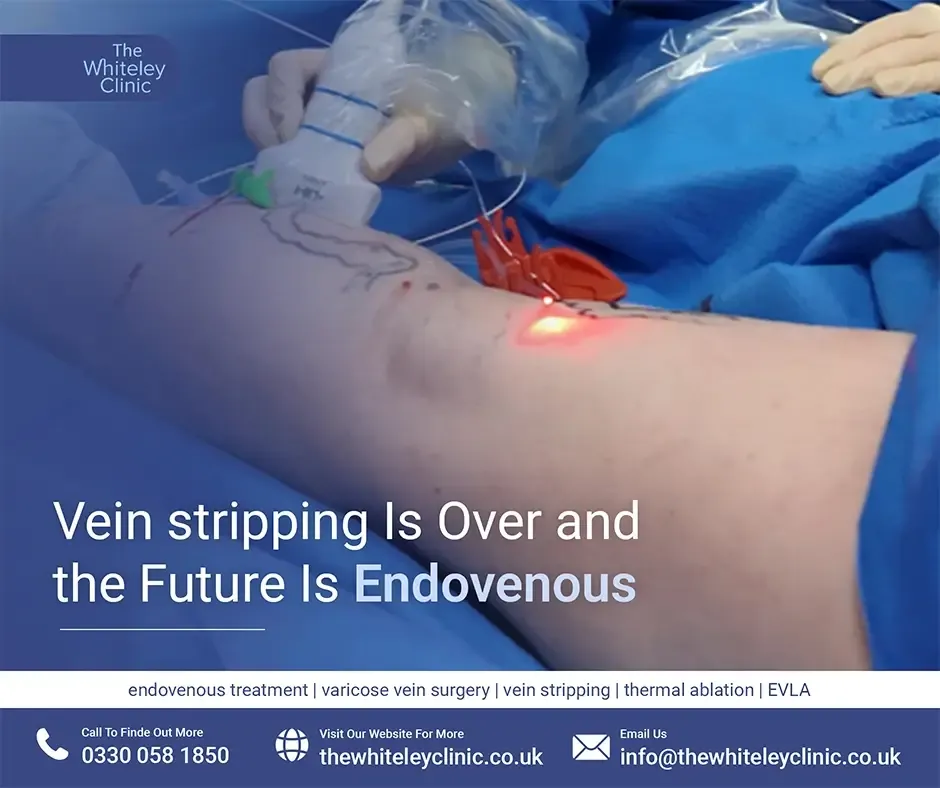
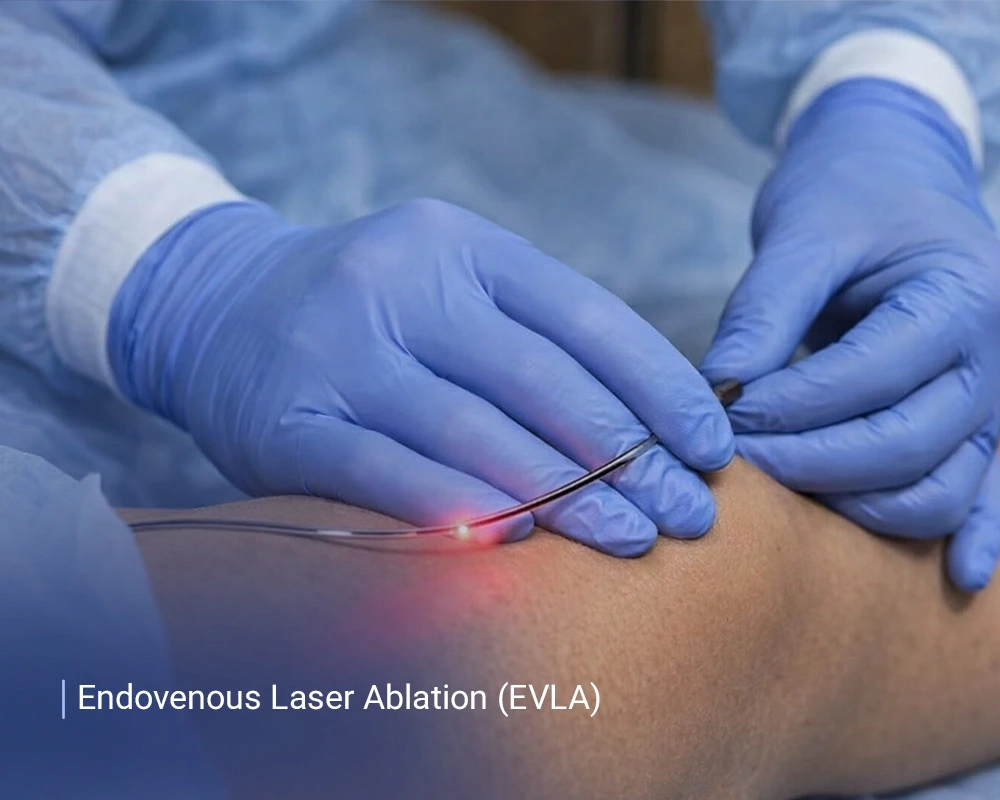
Endovenous thermal ablation techniques, including endovenous laser ablation (EVLA) and radiofrequency ablation (RFA), close incompetent veins using controlled heat. These methods treat primary reflux and reduce the pressure contributing to thread veins on legs. Additionally, ultrasound-guided foam sclerotherapy offers a non-thermal alternative for patients unsuitable for thermal ablation. In this method, a sclerosant foam collapses and seals the faulty vein.
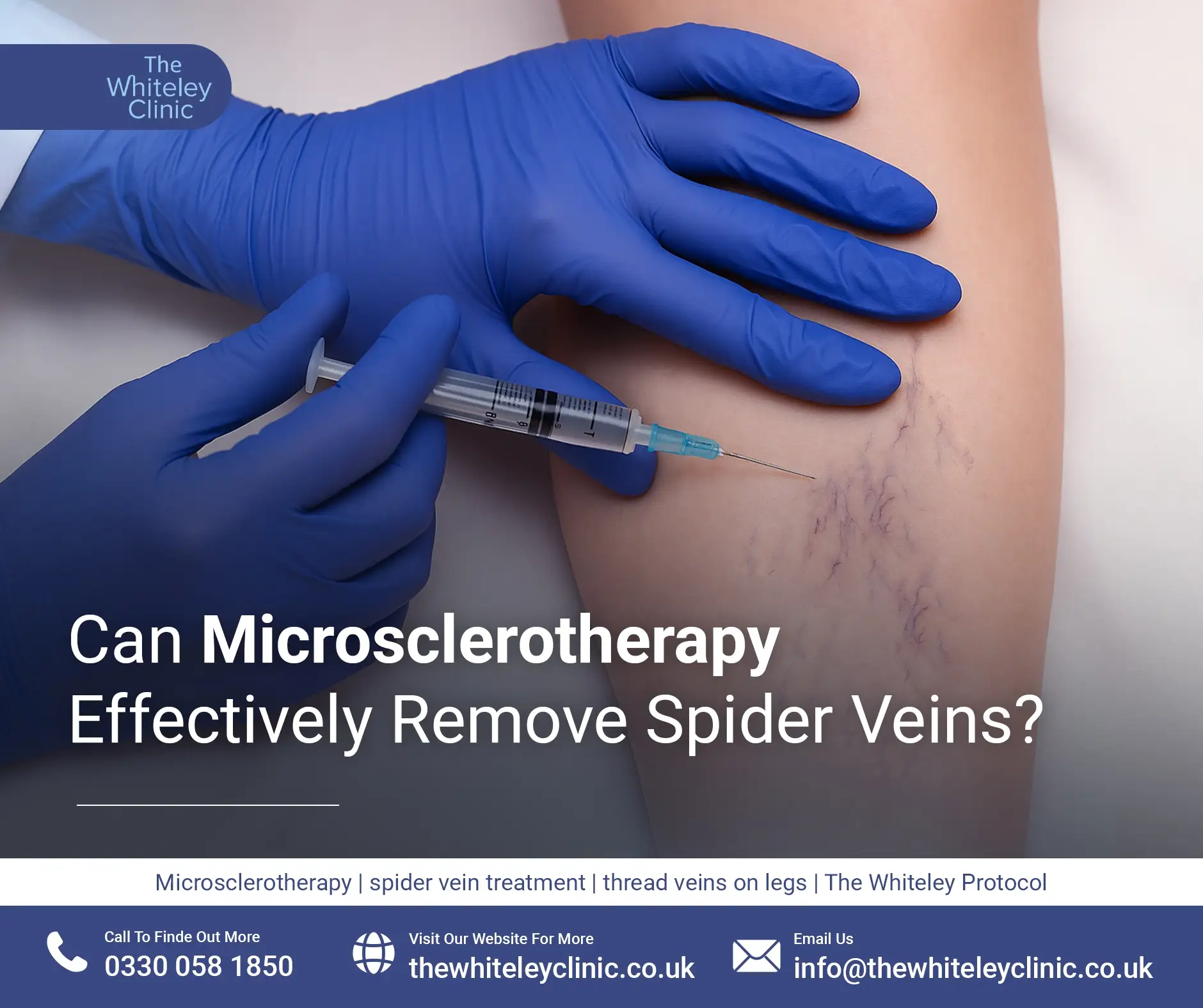
Only after underlying issues are corrected do clinicians proceed to treat the superficial telangiectasia. Microsclerotherapy remains the gold standard for most thread veins. A fine needle introduces a sclerosant solution that irritates the vessel wall, causing it to close. Over time, the vessel fades as the body naturally absorbs the damaged tissue. In selected cases, transdermal laser therapy provides an alternative, especially for very fine red veins.
Transitioning from underlying correction to surface treatment improves success rates dramatically. This staged approach, stressed indirectly by Sarah Vine’s reflections on her own challenging treatment journey, ensures that visible thread veins resolve more predictably and remain improved for longer.
Recovery is straightforward but requires commitment. Compression stockings support venous function after sclerotherapy or ablation. Most clinicians recommend wearing them for up to two weeks. As Sarah Vine noted, legs may look worse before they improve, often appearing bruised or discoloured temporarily. This phase is a normal inflammatory response.
Season also plays a role. Many patients schedule treatment during autumn or winter, when wearing compression garments is more comfortable and sun exposure is less intense. Sunlight can aggravate pigmentation during healing, therefore cooler seasons reduce risk.
After treatment, lifestyle adjustments help maintain results. Regular walking enhances calf muscle pump efficiency. Avoiding prolonged standing or sitting reduces venous pressure. Maintaining a healthy weight and using sun protection further supports vascular health. Although these measures do not guarantee prevention, they significantly lower the risk of new thread veins on legs forming.
Read more: How Do Veins Work?
The 2014 Daily Mail report introduced many readers to the deeper story behind thread veins on legs. It highlighted how surface-level problems often stem from underlying venous pathology. Today, medical understanding aligns even more strongly with those insights. Accurate diagnosis, targeted treatment and proper aftercare remain the foundation of effective management.
Individuals seeking improvement should recognise that thread veins are rarely just a cosmetic concern. Instead, they are often a sign of venous dysfunction that deserves a structured medical approach, supported by duplex ultrasound and modern minimally invasive therapy.
The full Daily Mail report is available here.