




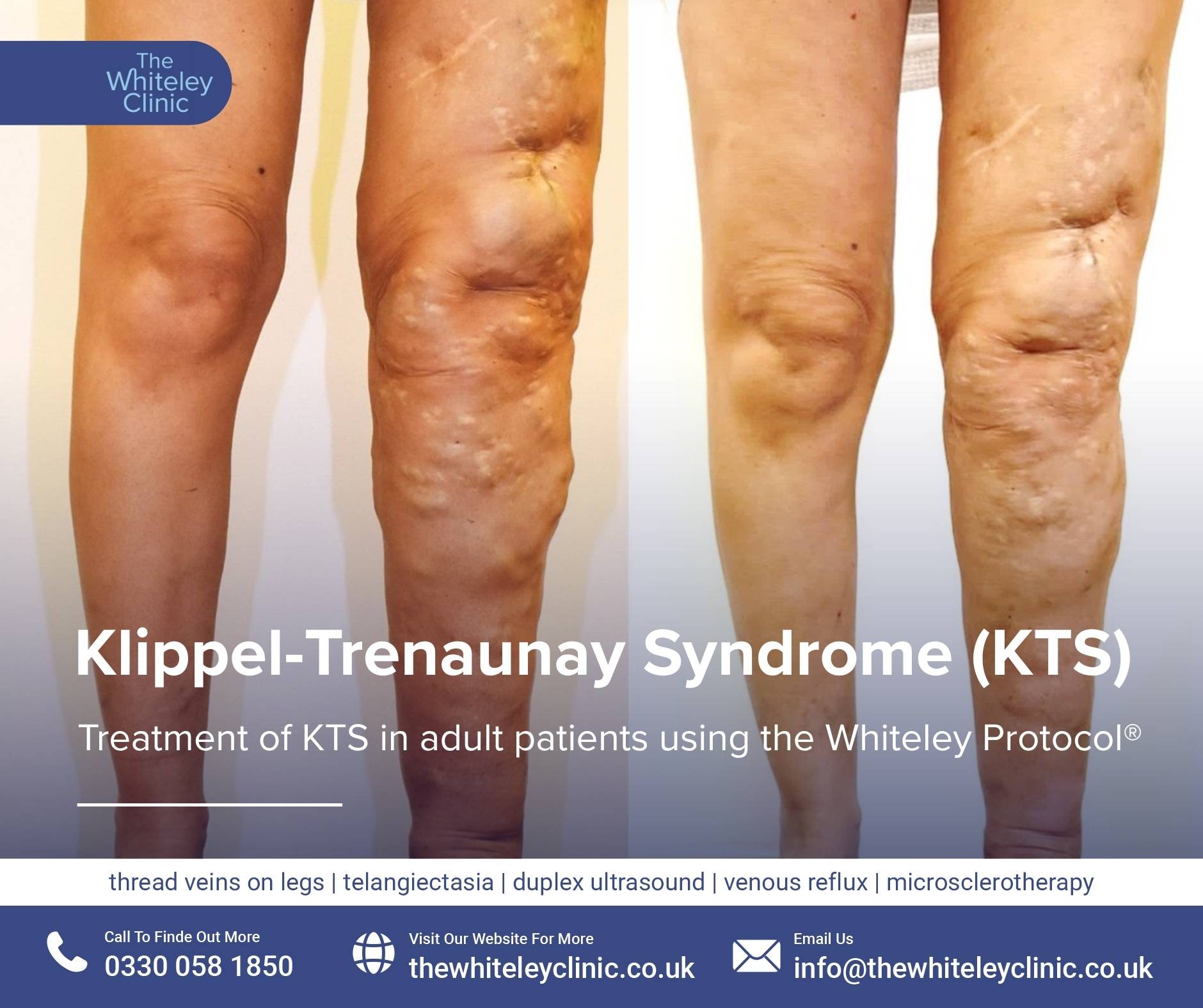
Klippel-Trenaunay Syndrome (KTS)
March 26, 2026
Missed DVT (Deep Vein Thrombosis) remains a silent but serious risk in vascular medicine. This article has been written to raise awareness about the importance of accurate diagnosis in venous diseases. In particular, it follows a report published on the BBC website in October 2013. That report revealed how a doctor failed to perform a Doppler scan. As a result, deep vein thrombosis (DVT) was misdiagnosed. Tragically, this error led to the patient’s death. If you notice symptoms that suggest DVT, it’s vital to get an accurate diagnosis without delay. Initially, the clot might not appear dangerous. However, it still carries the risk of reaching the lungs and triggering a potentially life-threatening pulmonary embolism.
The symptoms of DVT are often deceptively mild. As a result, they may resemble more common conditions such as muscle strain or leg fatigue. Patients may experience swelling, pain, redness, or warmth in one leg, symptoms that are easily attributed to less serious causes. This misinterpretation is a key reason why DVT continues to be overlooked. Healthcare professionals may prescribe rest, ice, or painkillers without conducting proper imaging, assuming the issue is musculoskeletal. Doctors rely on guesses, not facts, when they skip duplex ultrasound.
If deep vein thrombosis (DVT) is not diagnosed promptly, the risks increase rapidly. In particular, a pulmonary embolism poses the most serious risk. It begins when a blood clot detaches and moves towards the lungs. As a result, it blocks the pulmonary arteries and prevents normal blood flow. Consequently, the clot can cause sudden death—even in individuals who are otherwise healthy. One tragic case involved a woman who visited a doctor due to leg pain. 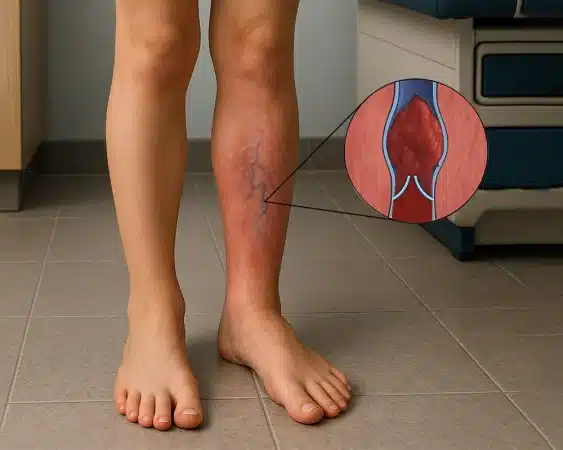 Despite clear warning signs, the doctor failed to perform a Doppler ultrasound. Instead, he simply recommended rest, ice, and more comfortable shoes. Therefore, doctors failed to treat the missed DVT. Ten days later, the clot travelled to her lungs and caused her death. Ultimately, the doctor’s inability to diagnose the DVT led to a preventable tragedy.
To prevent missed DVT and other misdiagnoses, a duplex ultrasound scan is essential for patients with leg vein symptoms. Moreover, this scan is non-invasive and completely free from radiation exposure. It delivers real-time images showing blood flow within the veins. As a result, clinicians can identify clots, valve dysfunction, or venous obstruction with greater accuracy. At The Whiteley Clinic, one of the UK’s leading centres for venous disease, the protocol is strict. Specifically, duplex ultrasound is mandatory before offering any diagnosis or starting any treatment. Without a duplex ultrasound, practitioners make assumptions rather than diagnoses. According to Professor Mark Whiteley and his team, assumptions are never enough. In fact, no leg vein condition should ever be assessed without a detailed duplex scan.
There are several venous conditions which can present similarly but require very different treatment plans. Attempting to treat them without a confirmed diagnosis through duplex ultrasound can lead to serious complications. These conditions include:
Every one of these conditions demands an accurate and timely diagnosis to ensure effective treatment. In every case, a duplex scan represents the essential first step in the process. For more detailed information about these conditions, please visit the page Venous Conditions Treated at The Whiteley Clinic.
At The Whiteley Clinic, the approach to venous care is rooted in evidence-based practice and meticulous diagnostics. The clinic's protocol mandates that all patients undergo duplex ultrasound before doctors make any diagnosis. This approach helps clinicians avoid missed DVT cases and correctly classify conditions like varicose veins or venous ulcers. Professor Whiteley has been vocal in educating both patients and medical professionals on this issue. He asserts that: "Without duplex ultrasound, you're only guessing. By using it, you address the underlying cause, not merely the symptoms”.
If you experience symptoms such as leg swelling, pain, redness, or warmth, you should promptly request a duplex ultrasound. This step holds even greater importance when there's a family history of blood clots. Moreover, avoid vague recommendations like rest, ice, or changing footwear, particularly when the issue could be vascular in origin. Therefore, seeking accurate diagnosis early can prevent potential complications and ensure appropriate treatment. Proper imaging could have prevented many missed DVT cases. As a patient, you have the right to request appropriate diagnostics. In leg vein issues, this means a duplex scan.
Increasing awareness of accurate DVT diagnosis is crucial for improving public health outcomes. Recognising the signs of DVT is essential for both patients and urgent care providers. They must understand that only Doppler ultrasound can aid in an accurate diagnosis. As The Whiteley Clinic’s experience has shown, timely diagnosis leads to timely treatment. Most importantly, it saves lives. To read the news item published on the BBC website regarding the misdiagnosis of DVT, click here.