
How Can You Effectively Treat Calluses and Corns on Feet?
August 15, 2026
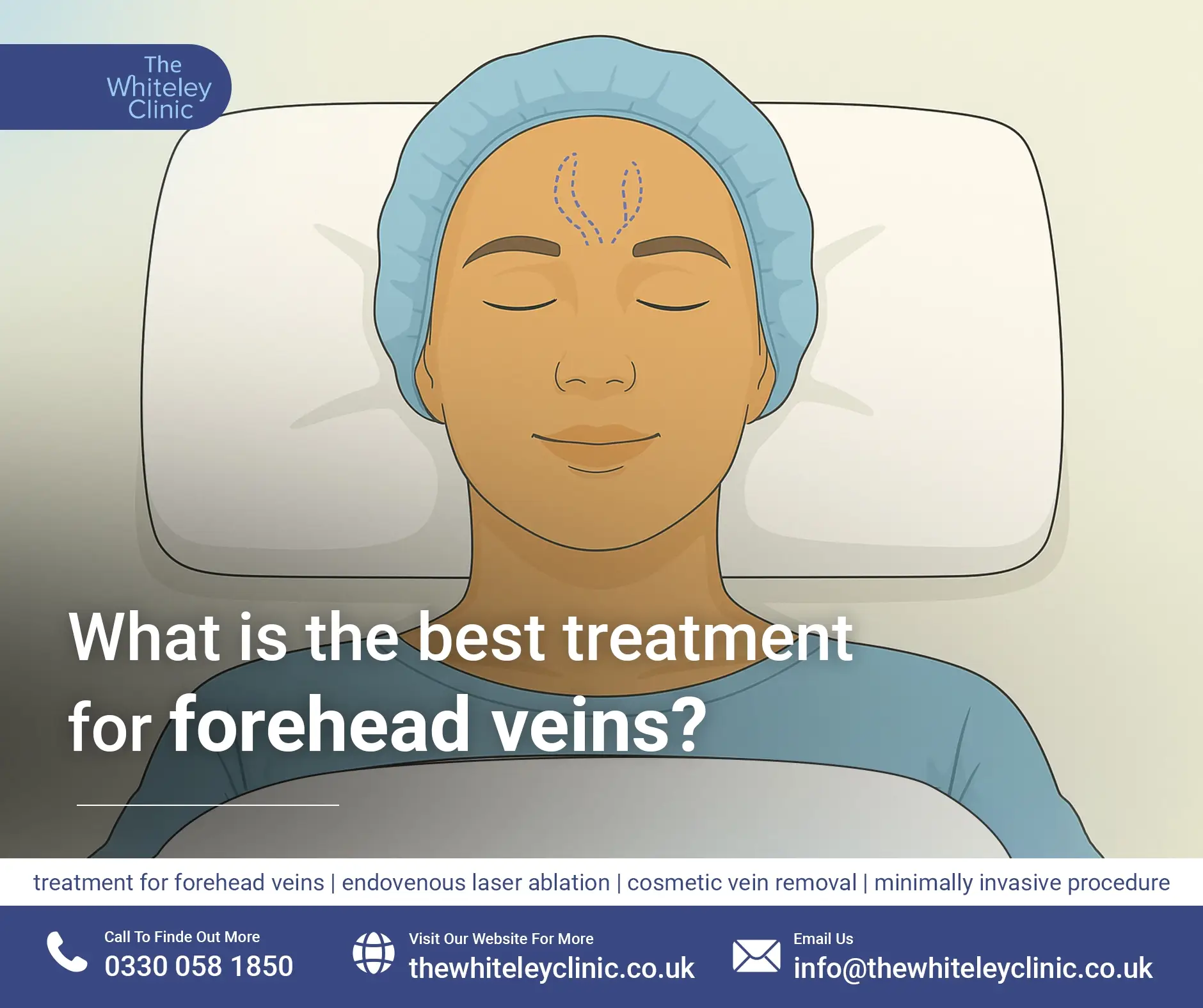
Treatment for forehead veins is becoming increasingly popular as more patients seek solutions for this common cosmetic concern. Although prominent veins on the forehead are typically not dangerous, they can significantly undermine self-confidence. Many individuals notice that these veins become more visible when they smile, exercise, experience heat, or consume alcohol. Consequently, this can be particularly distressing in photographs or social situations. In this article, we will explain what forehead veins are, why they appear, whether they require treatment, and how modern techniques now offer safe and effective treatment for forehead veins.
Forehead veins, known medically as supratrochlear veins, typically run vertically from the hairline down to the bridge of the nose, situated between the eyebrows. While textbooks typically indicate that there are usually two veins, some patients may present with one large vein. In contrast, others may exhibit a network of multiple veins, highlighting the variety in individual cases.
These veins often become more prominent due to various factors, including facial expressions, physical activity, and vasodilation triggered by alcohol and heat. Furthermore, elements such as genetic predisposition, thin skin, and the aging process can enhance their visibility. Although these veins are primarily a cosmetic concern, their presence often motivates patients to seek treatment options for forehead veins.
Learn more about forehead veins here.
In the majority of cases, forehead veins do not pose a medical risk and do not affect normal venous circulation. Their main impact is cosmetic. In rare cases, visible forehead veins may indicate underlying vascular abnormalities. Therefore, it is crucial to seek an assessment from an experienced specialist. This evaluation allows a specialist to exclude other potential causes and decide whether treatment for forehead veins is necessary.
Treatment for forehead veins is not usually medically required. However, many patients opt for it due to its social and psychological impact. Over time, veins can appear larger or darker, leading to unwanted shadows on the forehead.
For individuals who frequently find themselves in front of a camera or work in public-facing roles, this situation can indeed be especially distressing. Fortunately, treatment can help restore confidence, enhance self-esteem, and offer a long-lasting cosmetic solution.
Before recent innovations, treating forehead veins appeared almost impossible. External lasers often failed because the veins were too large and deep. Additionally, sclerotherapy, commonly used for treating leg veins, posed significant risks in this area, as the injected solution could inadvertently spread to veins located near the eyes or brain. Although phlebectomy involved removing veins through small cuts, it only sometimes delivered satisfactory results.
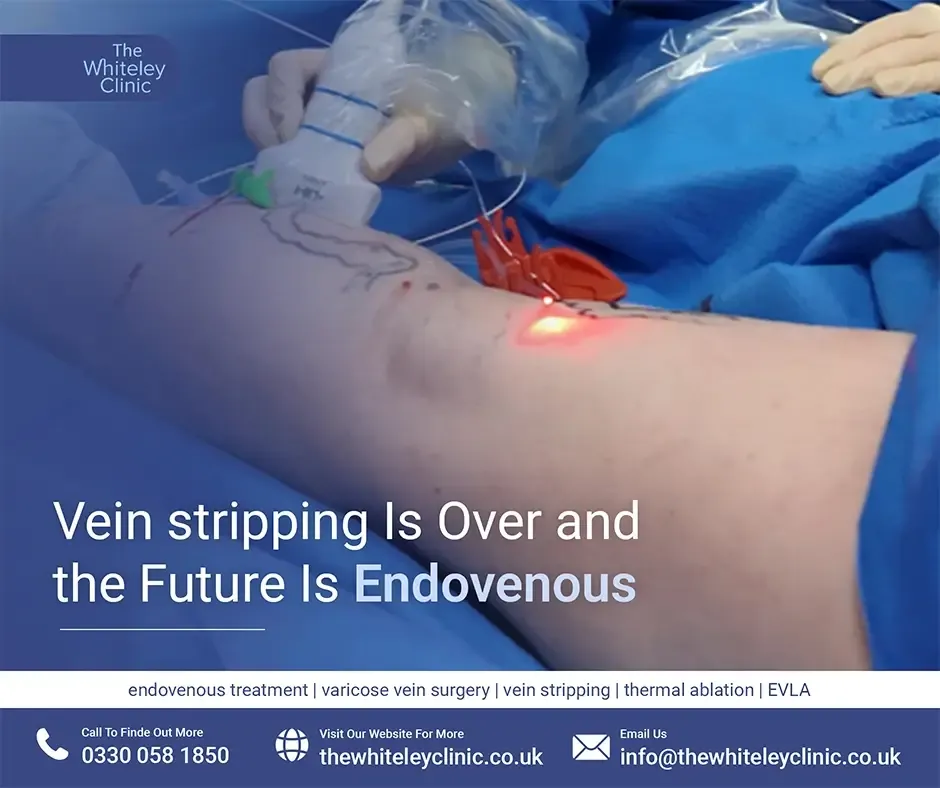
The breakthrough came when Professor Mark Whiteley, working with Dr Charles Esteves Pereira, developed a new minimally invasive approach. They adapted endovenous laser ablation (EVLA) as a reliable treatment for forehead veins, using very fine laser fibres inserted directly into the vein under ultrasound guidance.
This technique, performed under local anaesthetic, seals the vein permanently.
The small incisions typically hide along the hairline, which makes scarring nearly invisible.
Research, including a 2025 study using a 1320 nm diode laser, has confirmed excellent cosmetic results with very few complications.
First, the surgeon numbs the treatment area with a local anesthetic. Next, they insert a fine laser fiber into the vein. Using ultrasound guidance, the surgeon seals the vein from the inside with a low-energy laser. In addition, a tumescent solution is injected around the vein to protect the skin, reduce discomfort, and minimise the risk of burns.
The procedure lasts less than an hour and does not require general anesthesia. Patients typically walk in and out on the same day. If a vein does not close fully, the treatment can be safely repeated.
Recovery from EVLA as a treatment for forehead veins is usually smooth. Patients may experience minor swelling or bruising, which resolves within two to six weeks. The tiny scars are hidden in the hairline and usually fade completely.
Aftercare advice includes avoiding strenuous activities for a few days and protecting the treated area from direct sunlight. Most patients return to normal routines almost immediately.
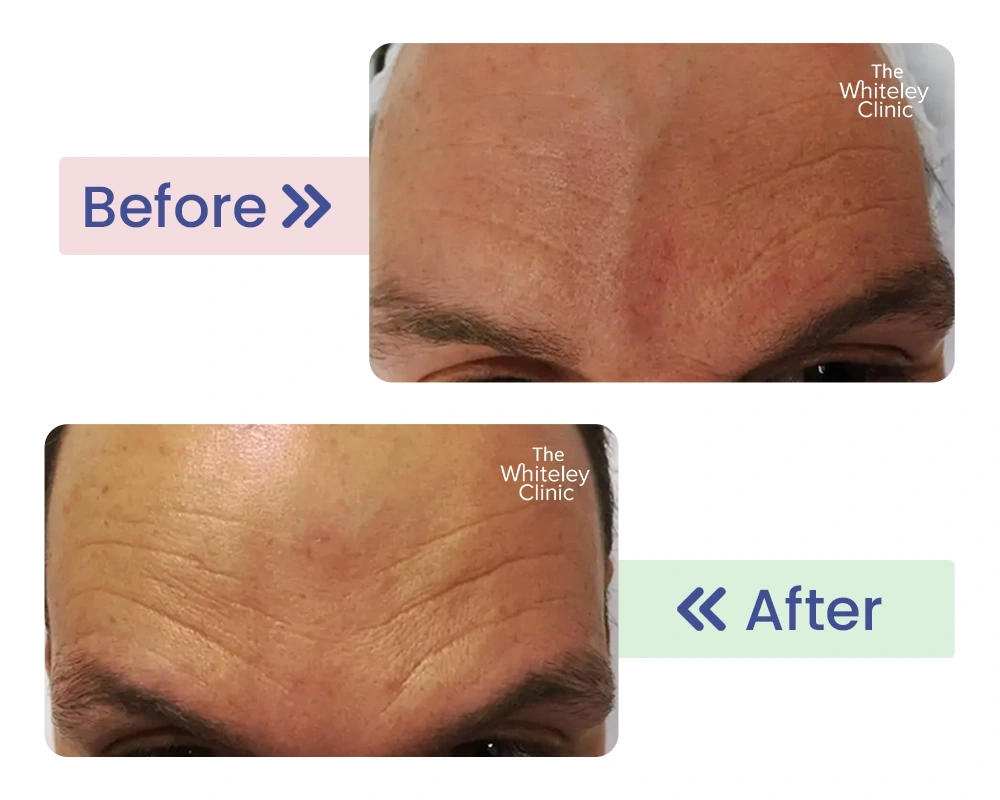
A young woman visited The Whiteley Clinic with a very large vein on her forehead and several tributaries. The vein cast a shadow in low light, making her feel embarrassed to be photographed.
She underwent the laser procedure, which lasted only 45 minutes under local anaesthetic. Importantly, no external stitches were required, and she went home just an hour later. Within two days, she could cover the tiny scars with make-up. Unlike some patients who experience bruising for a couple of weeks, her bruising lasted only two days.
At her four-week review, the results were excellent. Only one tiny scar was visible, and only on very close inspection. She described the treatment for forehead veins as life-changing, boosting her confidence and making her comfortable in social settings again.
Treating forehead veins requires not only skill but also advanced technology. Although the procedure is generally safe, its success largely hinges on the surgeon's experience and the quality of the equipment employed. Therefore, choosing a qualified professional and reliable technology is crucial to achieving optimal results. The College of Phlebology continues to support training and standardisation of these innovative treatments, ensuring patients benefit from evidence-based care.
At The Whiteley Clinic, every patient receives a detailed diagnosis and a personalised treatment plan. Our specialists use the latest techniques to deliver the best cosmetic results with minimal downtime. For anyone considering treatment for forehead veins, choosing the right clinic is essential.
If you are considering treatment for forehead veins, you can book an appointment at our clinics in London, Guildford or Bristol. Each location provides expert consultations and careful follow-up. The process is simple and supportive from start to finish, giving patients confidence throughout their journey.
Treatment for forehead veins is no longer considered impossible. Thanks to modern laser innovations, patients can now achieve safe, effective and lasting results. With the right clinic and specialist team, this procedure can transform confidence and appearance. If you are troubled by visible forehead veins, arranging a consultation at The Whiteley Clinic may be the first step towards restoring your natural look.