
Excessive Sweating (Hyperhidrosis)
Hyperhidrosis is a condition that causes excessive sweating beyond what the body needs to regulate its temperature. It can affect the underarms, hands, feet and face, often interfering with everyday activities and confidence. Although primary hyperhidrosis is not usually a serious medical condition, it can have a considerable impact on quality of life. Treatment depends on the underlying cause and severity. For persistent underarm sweating, miraDry offers a long-term treatment option that targets sweat glands in the affected area.
What Is Hyperhidrosis?
Sweating is a normal bodily function that helps regulate body temperature. However, people with hyperhidrosis produce more sweat than necessary, even when they are resting or in a cool environment.
The eccrine sweat glands produce most of the watery sweat responsible for cooling the body. The sympathetic nervous system controls their activity. In people with hyperhidrosis, nerve signals stimulate these glands excessively, leading to increased sweating.
The condition commonly affects specific areas, including:
- Underarms (axillary hyperhidrosis)
- Palms of the hands (palmar hyperhidrosis)
- Soles of the feet (plantar hyperhidrosis)
- Face and scalp (craniofacial hyperhidrosis)
Sweating may occur throughout the year and does not necessarily improve in cooler weather.
What Causes Hyperhidrosis?
The condition generally falls into two categories. Identifying the type helps determine whether further medical investigation is necessary.
Primary Hyperhidrosis
Primary occurs without an identifiable underlying medical condition. It often begins during childhood or adolescence and tends to affect specific areas on both sides of the body.
Excessive nerve activity stimulates the sweat glands, even when the body does not need additional cooling. Family history may also play a role.
Secondary hyperhidrosis
Secondary develops as a result of another medical condition or certain medications. Unlike the primary type, it may affect larger areas of the body.
Possible causes include:
- Thyroid disorders
- Diabetes
- Hormonal changes, including menopause
- Certain infections
- Neurological conditions
- Some prescription medicines
Sudden or unexplained sweating, particularly at night, requires medical assessment to identify a possible underlying cause.
Is Hyperhidrosis Dangerous?
Primary hyperhidrosis is not usually dangerous and does not generally indicate a serious health problem. However, persistent sweating can cause physical discomfort and affect several aspects of daily life.
Excess moisture may irritate the skin and increase the risk of certain skin problems. Underarm sweating can leave visible marks on clothing, while sweaty hands may make it difficult to hold objects, use electronic devices or handle paperwork.
The condition can also affect social interactions, work and emotional wellbeing. Some people avoid certain activities or situations because they feel embarrassed about sweating.
Secondary hyperhidrosis requires particular attention because it may indicate an underlying medical condition. Medical advice is important if excessive sweating starts suddenly, occurs during sleep or accompanies symptoms such as fever or unexplained weight loss.
Does Hyperhidrosis Need Treatment?
Not everyone needs medical treatment. The decision depends on how much sweating occurs and whether it affects daily activities or quality of life.
Mild cases may respond to clinical-strength antiperspirants. However, persistent or severe sweating may require further treatment.
There are several ways to manage excessive sweating. Depending on where it occurs and what is causing it, a doctor may recommend a prescription antiperspirant, medication taken by mouth, botulinum toxin injections or a treatment that uses a medical device. The choice also depends on the severity of the symptoms and the patient's individual needs.
How Is Underarm Hyperhidrosis Treated with miraDry?
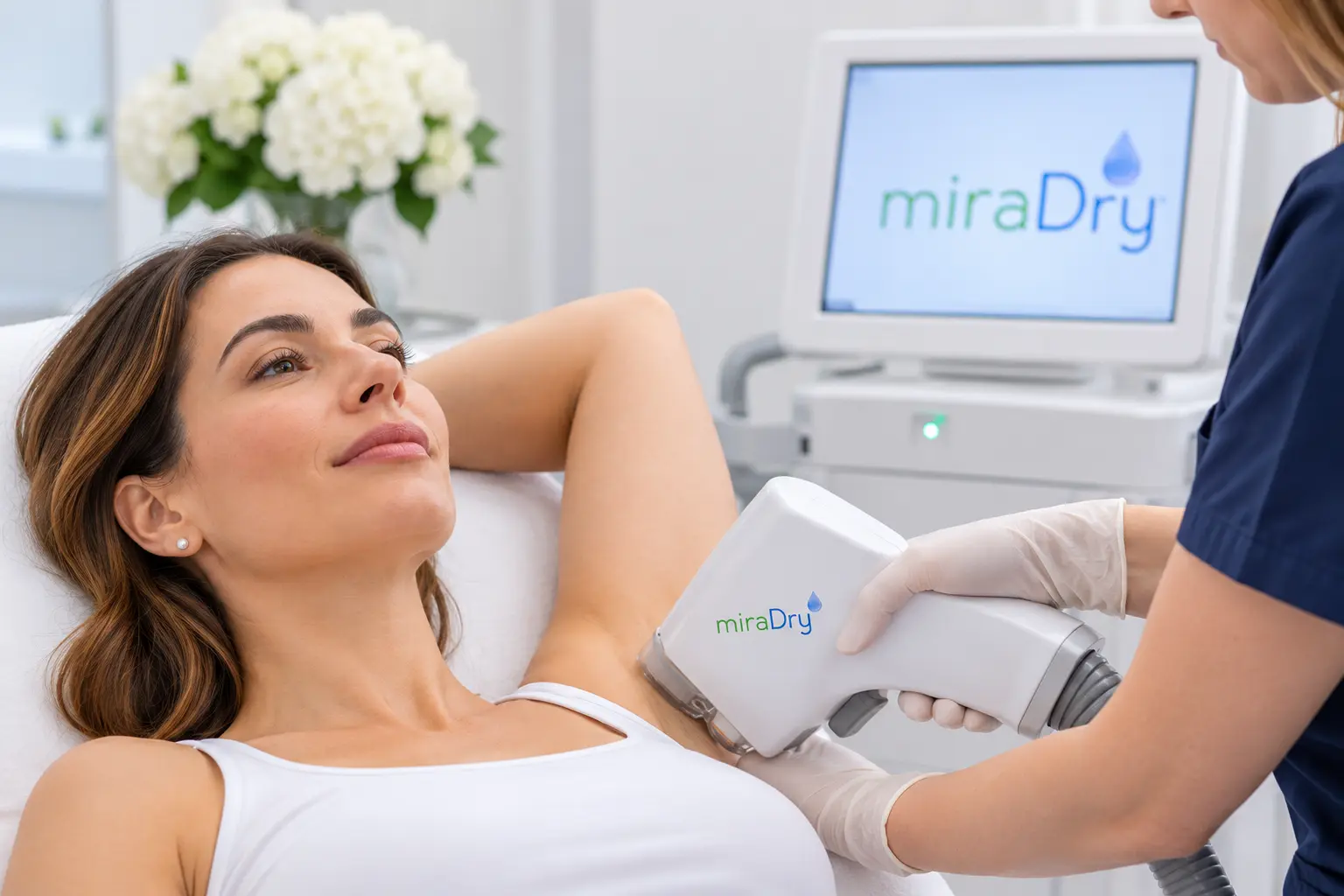
miraDry is a non-surgical treatment designed specifically for excessive underarm sweating. It uses controlled microwave energy to target and destroy sweat glands beneath the skin.
The treatment focuses on the underarm area and does not remove sweat glands elsewhere in the body. This allows the remaining sweat glands to continue their normal role in temperature regulation.
How Effective Is miraDry for Hyperhidrosis?
Clinical studies have reported an average reduction of approximately 82% in underarm sweating following miraDry treatment. Individual results may vary.
Most patients achieve a significant reduction after one or two sessions. Because the treated sweat glands do not regenerate, the reduction can be long-lasting.
Unlike temporary treatments such as botulinum toxin injections, miraDry aims to eliminate the targeted sweat glands rather than temporarily reduce their activity.
What Happens During and After Treatment?
A miraDry session for both underarms usually takes between 60 and 90 minutes. The treatment area receives local anaesthesia before the device delivers microwave energy to the targeted sweat glands.
Patients may notice a reduction in sweating soon after treatment. However, temporary swelling, redness, tenderness and bruising can occur. These effects usually settle over days or weeks.
Some swelling and tenderness around the underarms are common after miraDry. A cold pack may make the area more comfortable. It is best to wear loose tops for a few days, as tight clothing can rub against the treated skin. Exercise and other strenuous activities should also wait until the area has settled.
Who Is Not Suitable for miraDry Treatment?
miraDry is not suitable for everyone. Certain medical conditions and implanted devices may prevent treatment.
People with the following conditions should not undergo miraDry treatment:
- An implanted pacemaker or other electronic device
- A requirement for supplemental oxygen
- Known intolerance to local anaesthetic agents used during the procedure
Other factors, such as previous underarm surgery, metal implants near the treatment area, pregnancy and certain skin conditions, may require additional assessment.
A consultation is necessary before treatment. During this appointment, a clinician reviews the medical history, assesses the severity of sweating and checks whether miraDry is appropriate.
Where Can You Get miraDry Treatment?
Patients seeking treatment for underarm hyperhidrosis can arrange an initial consultation with Absolute Aesthetics. The consultation provides an opportunity to discuss symptoms, review medical history and assess suitability for miraDry.
Absolute Aesthetics provides miraDry treatment for patients who meet the clinical criteria. Contact the clinic to arrange a consultation and discuss the treatment process.