
How Can You Effectively Treat Calluses and Corns on Feet?
August 15, 2026
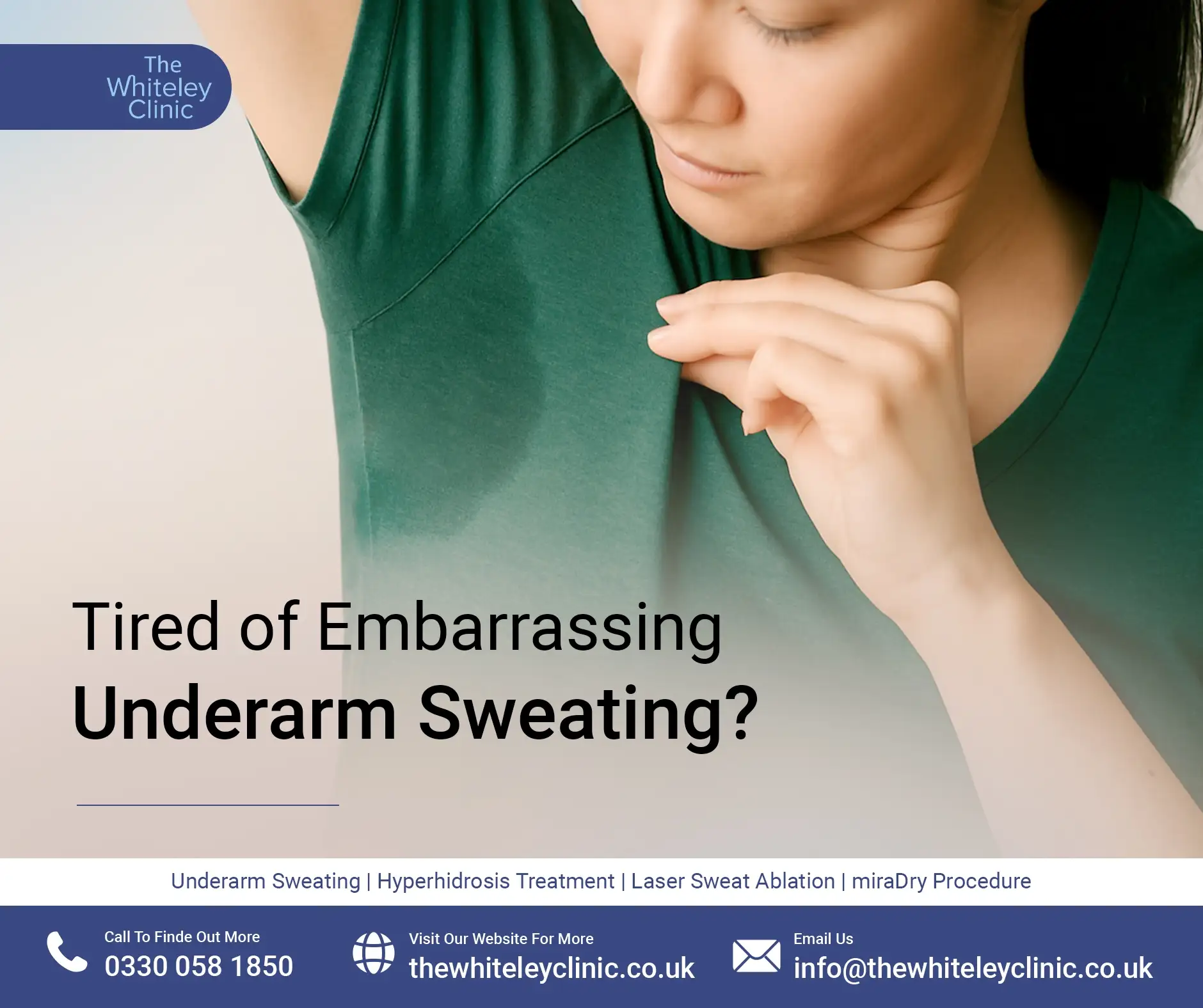
The body naturally produces sweat in the underarm area as part of its normal processes. However, for many individuals, it can become a significant source of discomfort, embarrassment, and even social anxiety. Whilst sweating is essential for regulating body temperature, it is important to note that excessive sweating, particularly from the underarms, can indicate an underlying condition. To provide clarity, this article explores why the body sweats, the common causes of underarm sweating, the condition known as hyperhidrosis, and the treatment options available, including the highly effective miraDry® procedure.
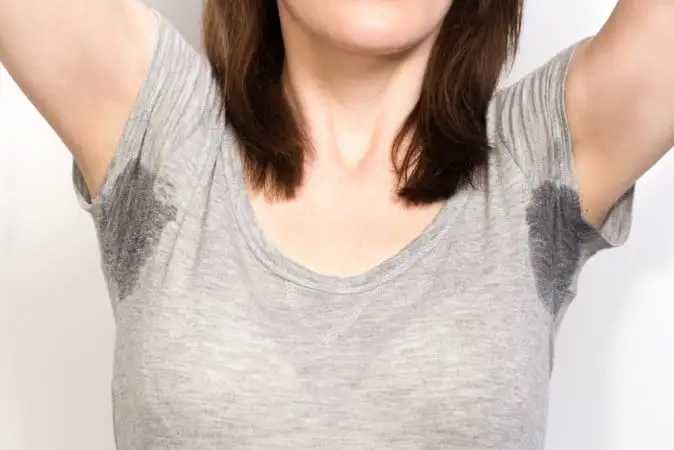
Sweating is, indeed, the body’s natural cooling mechanism. When the body temperature rises due to heat, physical activity, or emotional stress, the nervous system, consequently, signals the sweat glands to release fluid. As sweat evaporates from the skin, it effectively lowers the body’s temperature.
Eccrine glands, responsible for most sweat production, are heavily concentrated in areas like the underarms, palms, and soles. Although underarm sweating represents a small part of overall perspiration, it can, nonetheless, cause noticeable and sometimes distressing wet patches and odour.
Although sweating is normal, several factors can, in fact, lead to underarm sweating that feels excessive or out of control. These factors include:
Each of these factors can, in turn, either temporarily increase sweating or, in some cases, contribute to long-term issues that may require medical attention.
Hyperhidrosis is, in fact, a medical condition characterised by abnormally excessive sweating that is not necessarily related to heat or exercise. In cases of underarm sweating, hyperhidrosis can, therefore, have a severe impact on quality of life. For instance, people with this condition may sweat through clothing even at rest, avoid social situations, and experience constant discomfort.
Surveys have shown that excessive underarm sweating is a source of significant embarrassment for many. In a recent study, 49% of women said they would feel uncomfortable discussing the issue with a doctor, often considering it unladylike. This shame leads many individuals to delay or completely avoid seeking treatment. Yet, with effective and safe options now available, there is no need to suffer in silence.
Fortunately, multiple treatment options exist for underarm sweating, ranging from temporary relief to permanent solutions. These include:
Botox is a well-established treatment for underarm sweating. The process works by momentarily blocking the nerves that communicate the need for sweat production. The treatment is safe, quick (around 30 minutes), and typically lasts between 4 to 6 months. Botox reduces sweating in the underarms by 75–80% and can be repeated as needed.
Laser Sweat Ablation (LSA) is a minimally invasive procedure designed to provide a permanent solution for underarm sweating. Performed under local anaesthetic, the technique uses a fine laser fibre to selectively destroy the sweat glands while preserving the surrounding skin and tissues. Recovery is typically straightforward, with most patients resuming normal activities within approximately two weeks.
Originally introduced by Professor Mark Whiteley, Laser Sweat Ablation represented a significant advancement in the long-term management of axillary hyperhidrosis. However, in recent years, this technique has increasingly been superseded by miraDry®, which offers a non-invasive alternative with comparable or superior outcomes and greater patient convenience.
One of the most advanced treatments for underarm sweating is miraDry®. This non-invasive procedure uses electromagnetic energy to permanently eliminate the sweat and odour glands in the underarms.
A key advantage of miraDry® is that, unlike Botox, it requires only one or two sessions to achieve lasting results. Additionally, the glands do not regenerate, which means that the reduction in sweat is permanent. Furthermore, clinical research has shown that miraDry® reduces sweat by an average of 82%.
For a full explanation of the procedure and its benefits, you can read more on the official treatment page at Absolute Aesthetics – miraDry® Treatment.
MiraDry® is generally safe and well tolerated. However, like all medical interventions, there is a possibility of side effects. These typically include:
Usually, side effects resolve within a period ranging from a few days to several weeks. Patients are advised to keep the area clean, wear loose clothing, and apply cold packs to reduce swelling. There is no long-term downtime, and patients can generally return to normal activities immediately following the procedure.
Whilst the above methods are, indeed, the most common, some individuals may, in addition, be offered oral medications or surgery. For example, anticholinergic drugs can reduce sweating systemically; however, they often cause side effects like dry mouth or blurred vision. In rare cases, surgical interventions, such as sympathectomy (cutting the nerves that trigger sweating), may be considered. Nevertheless, this option is typically reserved for severe, resistant cases.
Sweating under the arms can be upsetting and limit social life, but you don’t have to accept it as your normal. Whether caused by hyperhidrosis, hormonal changes, or external triggers, there are several safe and effective treatments available today.
Modern medicine offers temporary solutions like Botox as well as long-term procedures such as Laser Sweat Ablation and miraDry®. Each option offers unique advantages, and a consultation with a specialist can help you determine the most suitable route for your needs.