
How Can You Effectively Treat Calluses and Corns on Feet?
August 15, 2026
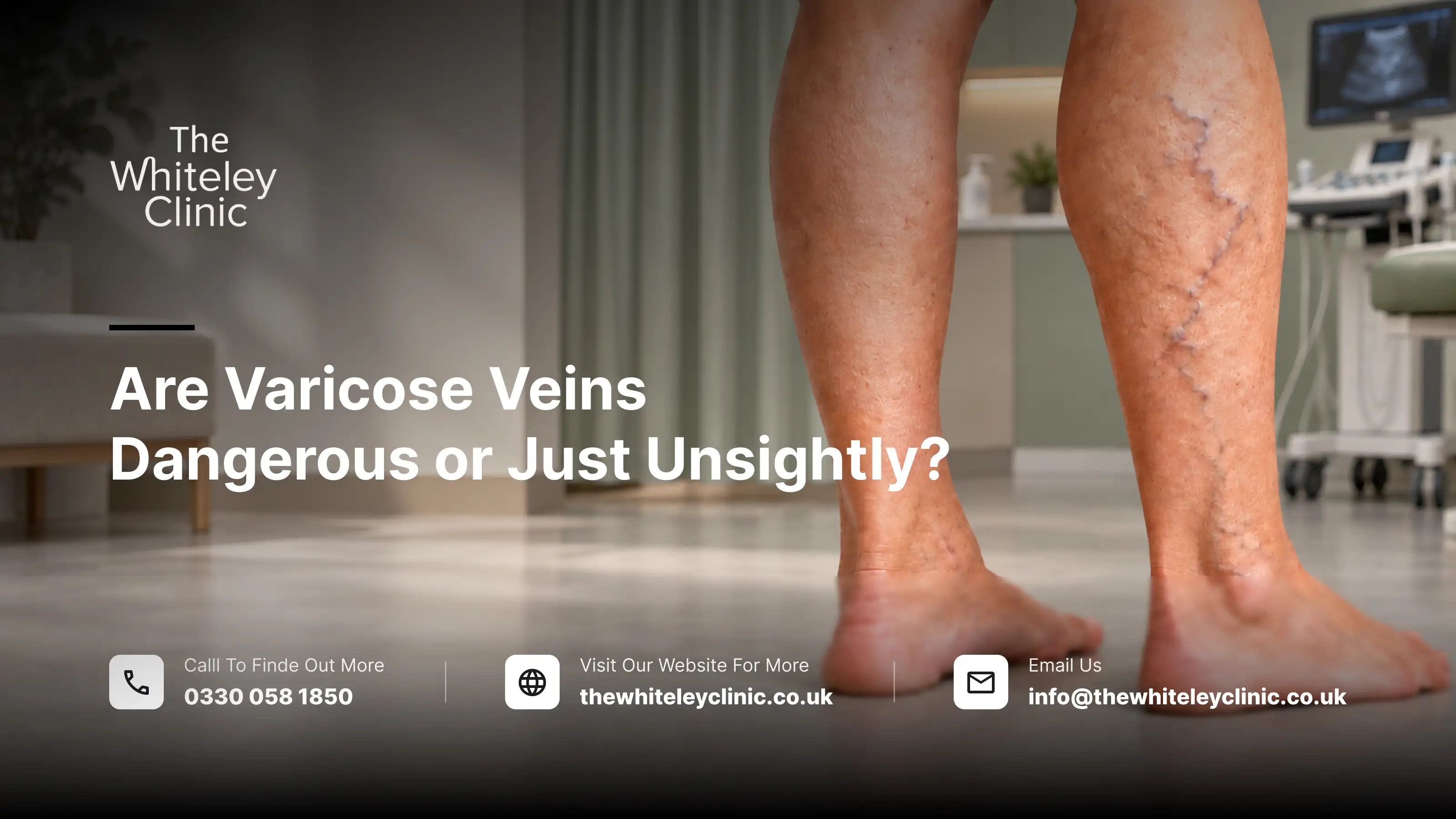
Varicose veins are often considered a cosmetic issue, but many people ask: are varicose veins dangerous or can they affect long-term health?
Although some varicose veins cause only visible changes, others develop because of underlying vein problems such as venous reflux. When left untreated, problematic varicose veins can contribute to complications including inflammation, blood clots, skin changes and venous leg ulcers. Recognising these warning signs early allows patients to seek timely medical assessment and may reduce the risk of more serious complications.
Although are varicose veins dangerous is one of the most common questions about venous disease, many people still regard varicose veins as nothing more than a cosmetic concern. In reality, they may indicate underlying venous disease. Professor Mark Whiteley has highlighted that untreated venous reflux can increase the risk of complications, including superficial thrombophlebitis and venous leg ulcers. His expert comments on the Express website also emphasise that persistent symptoms deserve proper clinical assessment rather than being dismissed as a cosmetic issue.
Healthy veins rely on small valves to keep blood moving towards the heart. When these valves become weak or damaged, blood can collect inside the veins instead of flowing efficiently, increasing pressure within the venous system and contributing to the development of varicose veins.
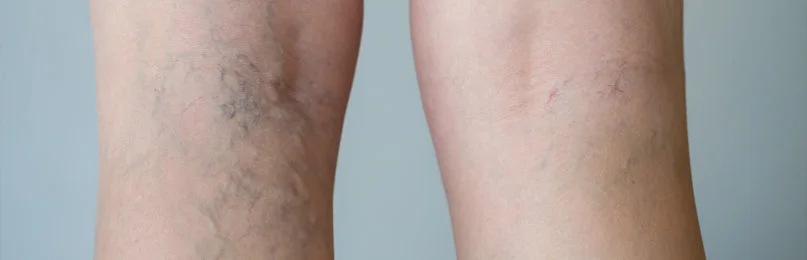
When the vein valves fail to close properly, blood flows backwards and collects inside the vein. Doctors refer to this abnormal blood flow as venous reflux. Over time, the increased pressure enlarges the veins close to the surface of the skin, giving them the twisted and swollen appearance that characterises varicose veins.
The development of varicose veins often involves a combination of genetic, lifestyle, and physical factors. However, varicose veins are not limited to older adults. Many younger people can develop venous problems, especially when there is an underlying tendency towards vein valve dysfunction.
Whether are varicose veins dangerous depends largely on the underlying venous disease rather than their appearance alone. Although visible veins can affect confidence, the condition is not always purely cosmetic. Some people have noticeable varicose veins without significant symptoms, while others develop pain, swelling, heaviness, or discomfort in the legs.
Significant venous reflux can cause varicose veins to worsen gradually because the increased pressure continues to damage the surrounding tissues over time.
Symptoms that may indicate a more advanced vein problem include:
These symptoms often indicate an underlying venous disorder and should prompt a medical assessment rather than simple observation.
The possibility of blood clots is one reason why are varicose veins dangerous remains an important question. Varicose veins can increase the risk of developing superficial thrombophlebitis, a condition that causes inflammation and a blood clot in a vein close to the surface of the skin.
Superficial thrombophlebitis often causes a painful, firm, and inflamed vein. It can also turn the overlying skin red and warm, while pressure on the affected area often increases discomfort.
Although superficial thrombophlebitis usually affects superficial veins, it should not be ignored. In some cases, the clot may extend into the deep venous system. This progression can lead to deep vein thrombosis (DVT), a more serious condition because part of the clot may travel to the lungs and cause a pulmonary embolism.
For this reason, anyone who develops sudden changes in symptoms, increasing pain, significant swelling, or tenderness should seek prompt medical assessment.
Many people delay seeking advice because they believe varicose veins are a normal part of ageing. However, early assessment can identify problems before complications develop.
A specialist assessment usually includes a detailed medical history and a duplex ultrasound scan. This non-invasive test evaluates blood flow through the veins and can identify venous reflux, blocked veins or other abnormalities.
A diagnosis based only on the appearance of veins may miss underlying problems. Some veins that appear small on the surface can be linked to deeper venous issues, while some larger veins may not cause significant complications.
Long-term venous reflux increases pressure within the leg veins. Over time, this persistent pressure damages the skin and surrounding tissues. As the disease progresses, it can cause skin inflammation, tissue hardening, and changes in pigmentation.
In more severe cases, chronic venous insufficiency (CVI) can lead to venous leg ulcers. These ulcers usually develop around the ankle and often heal slowly if the underlying venous disease remains untreated.
The risk of these complications explains why are varicose veins dangerous is an important question rather than a simple cosmetic concern.
Compression stockings can help relieve symptoms and support venous circulation. However, they do not repair damaged vein valves or eliminate venous reflux permanently. The most appropriate treatment depends on the underlying cause and the severity of the disease.
Treatment focuses on improving blood flow and reducing pressure within the affected veins. After a proper assessment, suitable options may include minimally invasive procedures designed to close or remove unhealthy veins.
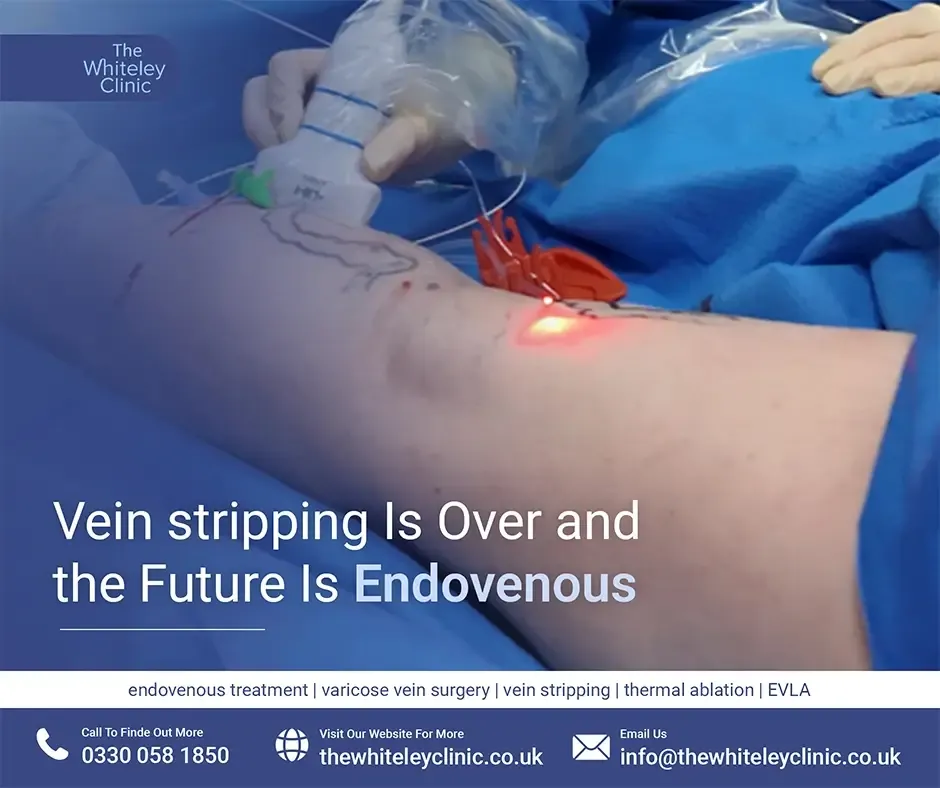
Modern treatments can include endovenous laser treatment (EVLT), radiofrequency ablation, ultrasound-guided foam sclerotherapy and other specialised techniques. These approaches aim to treat the underlying cause rather than only improving the appearance of the veins.
Each patient requires an approach that addresses their specific vein problems and reflects the results of their ultrasound assessment.
So, are varicose veins dangerous?
Not every varicose vein causes serious health problems, but persistent symptoms and untreated venous reflux can increase the risk of complications.
Painful veins, swelling, skin changes or signs of inflammation should not be dismissed as a normal part of life. Early investigation allows doctors to identify the severity of venous disease and recommend suitable management before more advanced problems occur.
Varicose veins are common, but they should not always be considered harmless. Recognising symptoms and receiving specialist advice can help protect long-term leg health.