
How Can You Effectively Treat Calluses and Corns on Feet?
August 15, 2026
This laser treatment, known as Endovenous Laser Ablation (EVLA), has become the gold standard for treating varicose veins. Unlike traditional surgery, it offers a minimally invasive approach that closes faulty veins from the inside. As a result, patients avoid large scars, prolonged recovery, and high recurrence rates. Today, leading vein specialists recommend this procedure as the first-line option for most cases. Furthermore, it is performed as a walk-in, walk-out technique, which allows patients to return home the same day, avoiding the risks and costs associated with general anaesthesia.
The term comes from three parts:
Thus, the procedure works by literally destroying the faulty vein from within using laser energy.
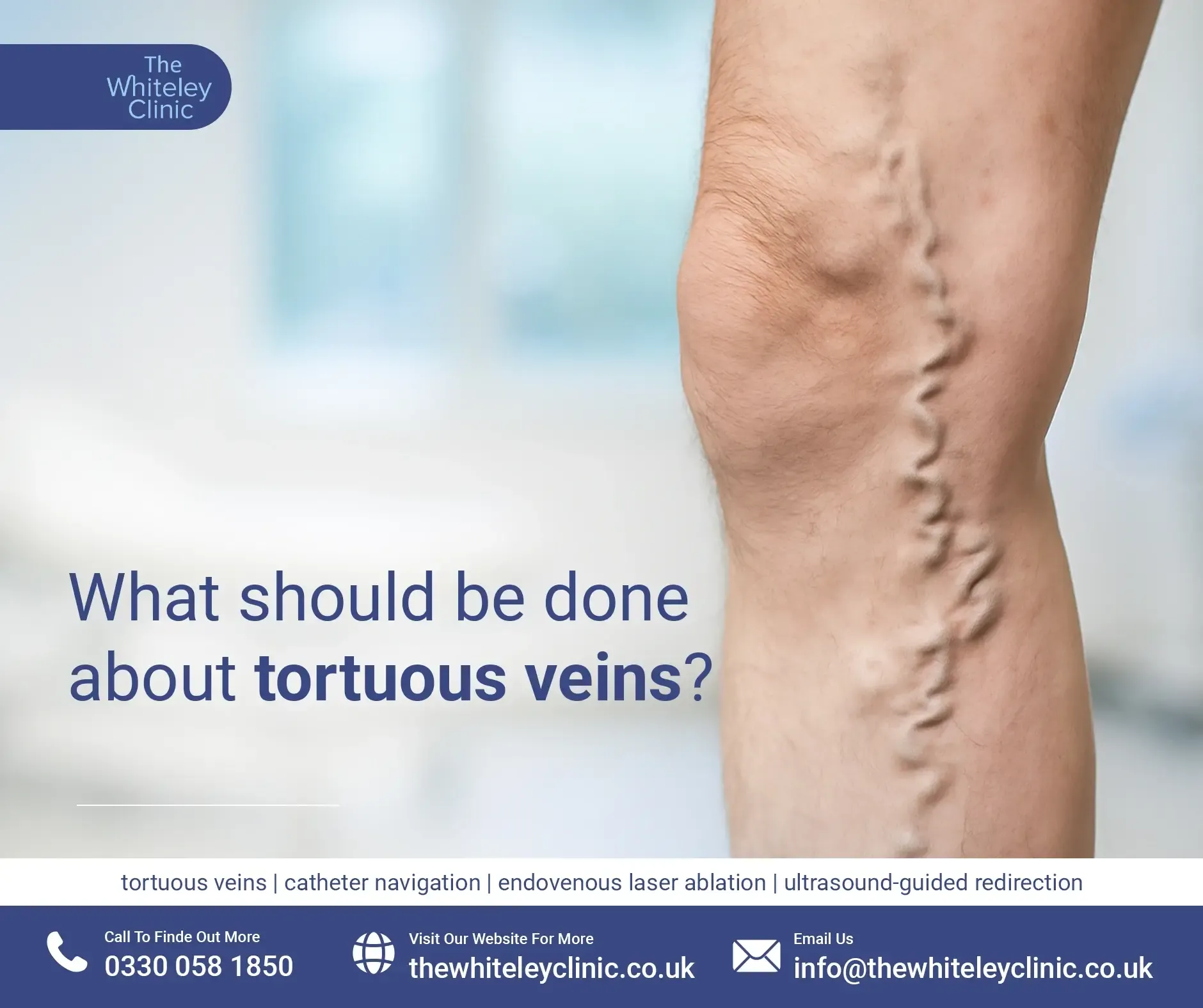
Varicose veins are more than a cosmetic problem; indeed, they often signal underlying venous disease, which can cause pain, swelling, skin damage and, in severe cases, ulcers. Notably, visible varicose veins are usually just a symptom of a deeper issue, namely venous reflux or “vein pump failure.” Consequently, blood flows backward in the leg veins, gradually causing tissue damage and worsening symptoms.
In the past, patients had to undergo vein stripping, an invasive surgery that often caused complications and, in many cases, failed to prevent recurrence. With EVLA, vein care has advanced to provide patients with a safer and more durable treatment option.
Recent studies confirm that EVLA achieves over 90% success in sealing treated veins, with results that last long-term. Furthermore, the chance of recurrence is very low. As a result, patients often experience reduced pain, improved mobility, and better cosmetic outcomes.
This treatment works by closing faulty veins completely, causing them to shrivel and never regrow, thereby addressing the underlying cause of varicose veins. As a result, patients benefit not only from a quick recovery but also from long-term relief and an enhanced quality of life.
Prior to treatment, specialists use a duplex ultrasound scan to identify and map the veins that need intervention. Specifically, the main veins suitable for this approach include:
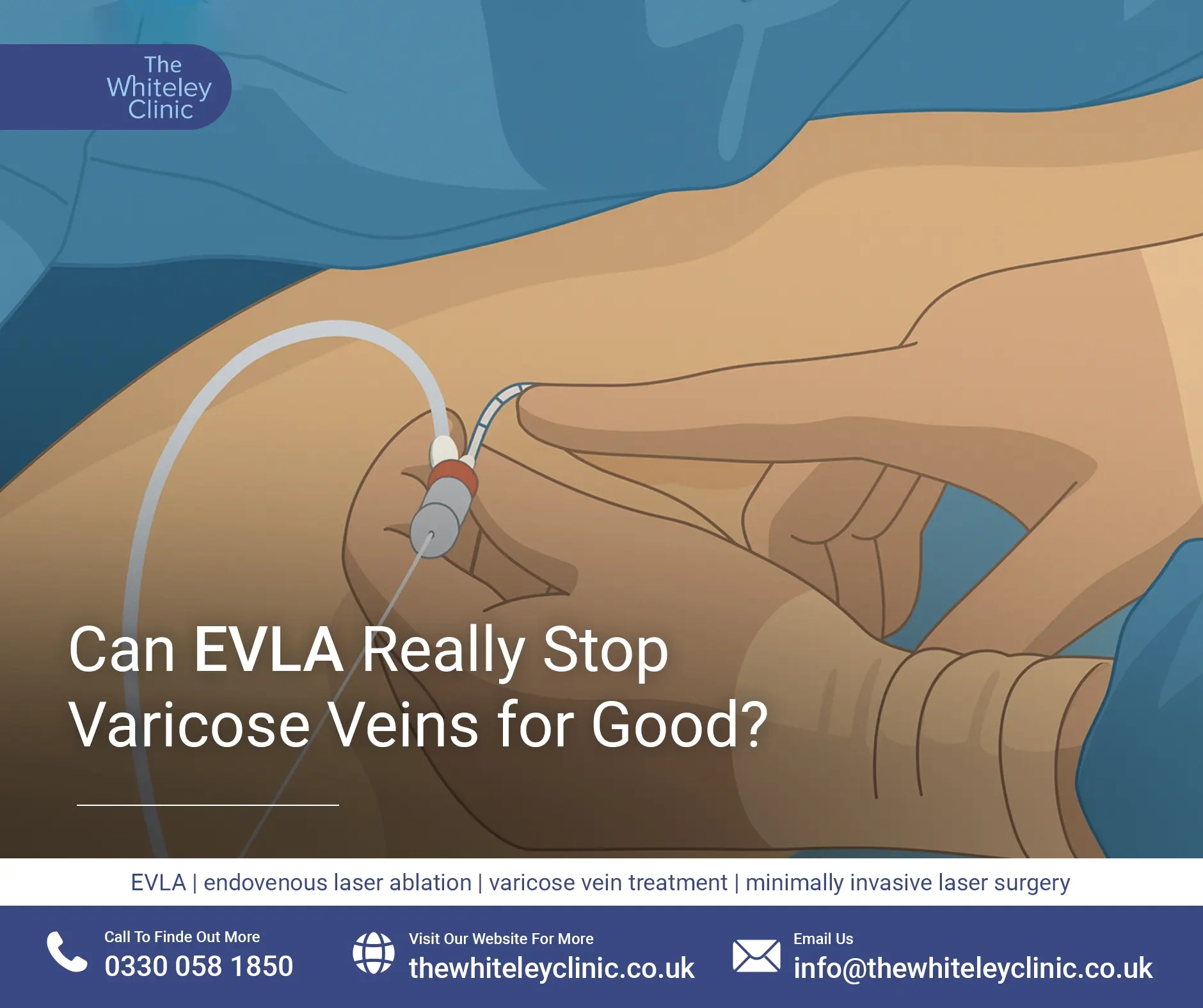
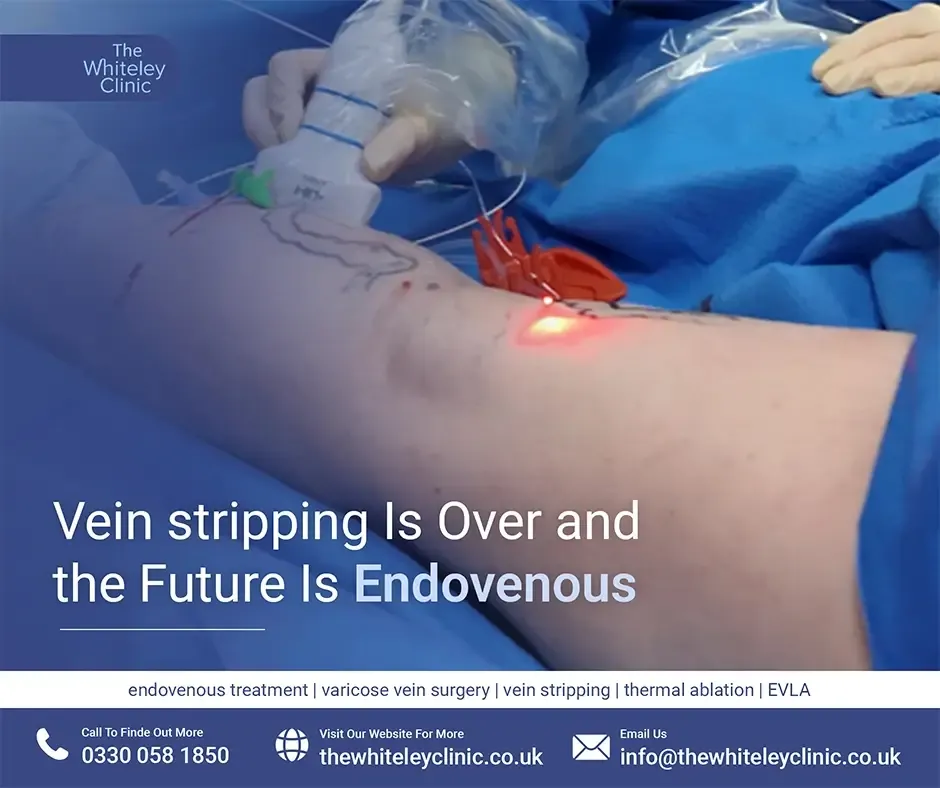
To begin, the surgeon accesses the vein with a fine needle, most often near the knee or ankle. Under ultrasound guidance, a narrow sheath is introduced. Local anaesthetic is then delivered around the vein through a method called tumescent anaesthesia, which:
Once the anaesthetic is in place, the surgeon carefully passes a laser fibre through the sheath. As the fibre is slowly pulled back at a controlled pace, the laser is activated, sealing the vein entirely while shielding nearby tissues from harm. Additionally, different fibre types exist, including end-firing and side-firing fibres, each designed to optimise energy delivery according to the vein’s anatomy.
This video demonstrates precise fibre positioning inside the vein using ultrasound:
Accurate diagnosis is essential before any vein treatment. In fact, a surface examination alone cannot reveal all faulty veins. Consequently, duplex ultrasound is used to map the venous system, identify hidden varicose veins, and ensure the treatment addresses the root cause. Moreover, even minor errors during diagnosis or treatment can lead to early recurrence or persistent symptoms. Therefore, dedicated vein centres follow systematic protocols to minimise these risks, emphasising that choosing an experienced clinic is just as important as the procedure itself.
This laser treatment, known as Endovenous Laser Ablation (EVLA) or sometimes referred to as EVLT (Endovenous Laser Therapy), is a modern method for treating varicose veins using laser under local anaesthetic. Many patients wonder about the difference between this technique and EVLT. In fact, both methods follow the same principle. Originally, EVLT® was a trademarked name for one of the first laser systems, developed in the late 1990s by Dr Carlos Boné, Dr Luis Navarro, and Dr Robert Min. Since then, various companies have introduced their own laser systems with different wavelengths, fibre types, and delivery methods. Frequently applied wavelengths for this technique include 810 nm, 940 nm, 1064 nm, and 1320 nm. Nevertheless, all these variations form part of this modern endovenous approach, which consistently provides significant advantages over the outdated vein-stripping surgery.
The procedure is very quick. The preparation phase, including the insertion of the laser fibre, generally takes around 20 to 30 minutes. Subsequently, the actual treatment lasts only 2–3 minutes per vein. Most patients experience minimal pain due to the local anaesthetic. Occasionally, mild discomfort may occur if a small tributary vein lies outside the anaesthetised area, but this is uncommon. Moreover, minor bruising or tightness may appear for a few days, yet these symptoms generally resolve quickly.
Traditional vein stripping required general anaesthesia, surgical cuts, and stitches, meaning recovery often took weeks. Moreover, many patients experienced recurrence because the veins could regrow. In contrast, this minimally invasive procedure completely avoids major surgery and consistently delivers superior long-term outcomes.
Studies conducted at The Whiteley Clinic demonstrate that the treatment effectively shrinks and permanently seals veins, stopping them from regrowing. The cosmetic outcome is excellent, with scars usually just 2–3 mm and often invisible within months. Clinical trials confirm that the treatment is safe, reliable, cost-effective, and highly competitive compared with radiofrequency ablation.
The treatment offers multiple advantages:
Patients usually notice relief from aching, heaviness, and swelling within weeks, combining medical and cosmetic benefits.
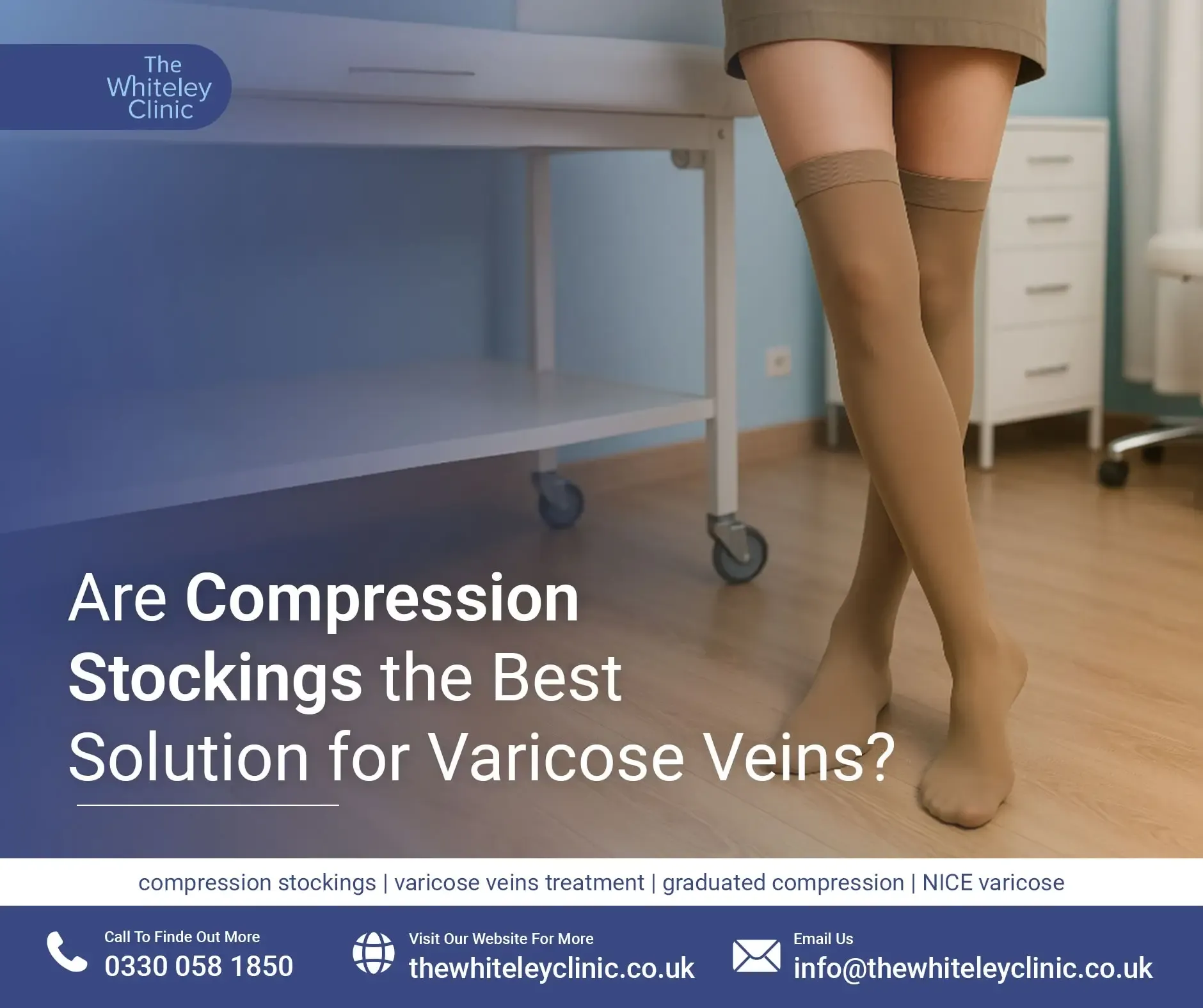
Recovery is typically smooth; Patients initially wear compression stockings for a short period to support healing. Most patients find that mild bruising or tightness fades rapidly. As a result, patients can usually return to normal activities within days. Follow-up scans then confirm that the vein has closed and blood flow has been redirected to healthy vessels, providing both reassurance and lasting improvement.
Not all clinics follow the same standards. Some perform injections or surface treatments without scanning for hidden veins. Specialist clinics use duplex ultrasound in every case, apply EVLA to the root cause, and combine techniques if needed. This approach ensures durable results and prevents disappointment.
EVLA has transformed varicose vein treatment. Indeed, the procedure is safe, quick, and effective, offering excellent cosmetic results along with long-term success. Moreover, modern advancements, including flexible fibres and customised energy delivery, make the technique more precise and less invasive than ever. By focusing on the underlying venous reflux, the treatment resolves the core problem and stops it from coming back. Combined with ongoing innovation, this technique remains the gold-standard choice for patients seeking lasting relief from varicose veins.