


How Can You Effectively Treat Calluses and Corns on Feet?
August 15, 2026
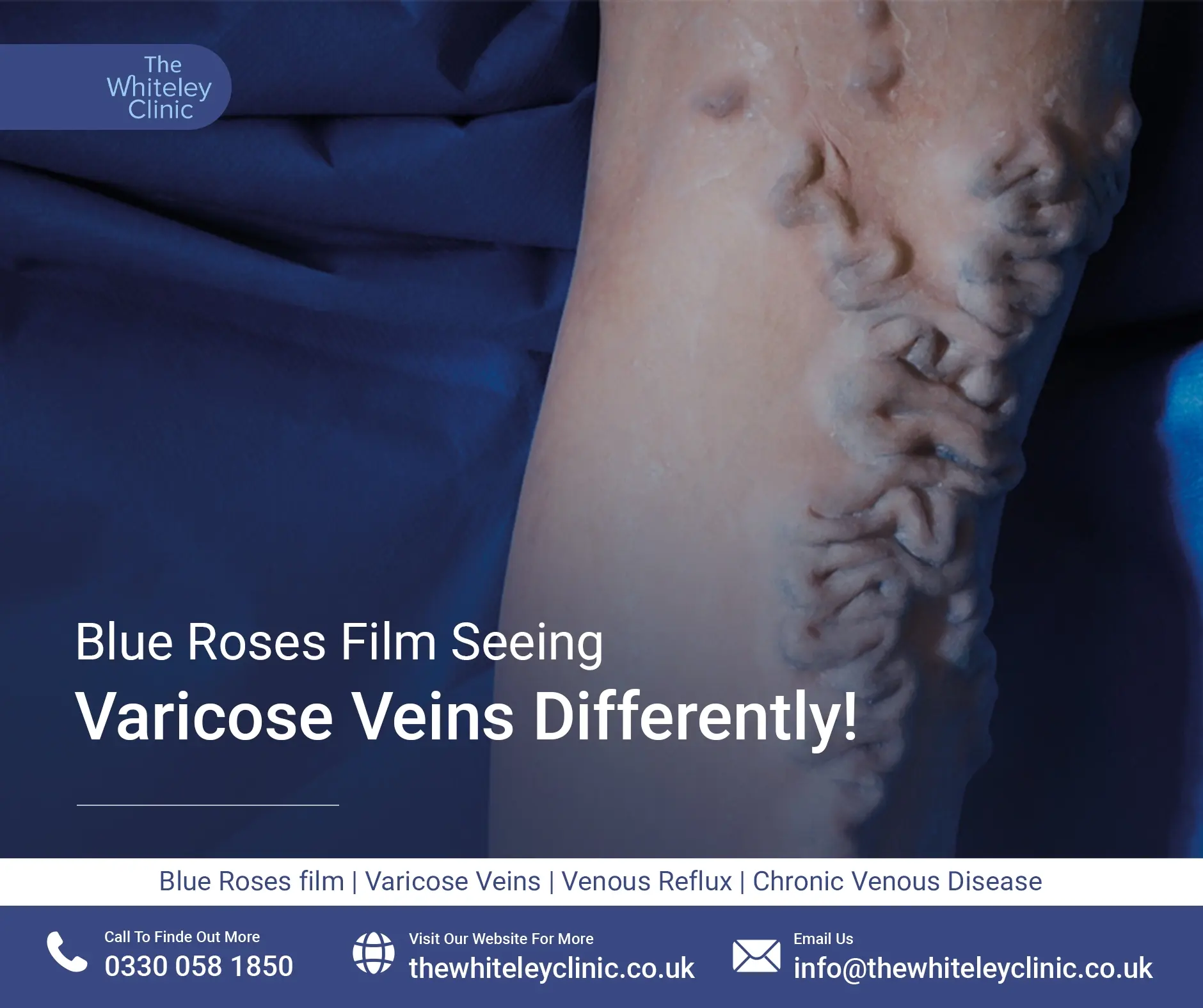
The Blue Roses film offers a striking exploration of varicose veins, blending medical insight with creative storytelling. Released in 2015 by filmmaker Marianna Simnett, the Blue Roses film presents venous disease through both an emotional and visual lens. Drawing on clinical research, personal memory, and symbolic imagery, the film invites audiences to reconsider traditional perceptions of varicose veins and their impact on human experience. Overall, the Blue Roses film demonstrates that medical conditions can inspire profound artistic expression. Moreover, it challenges viewers to explore the intersections of health, art, and emotion in a nuanced and engaging manner.
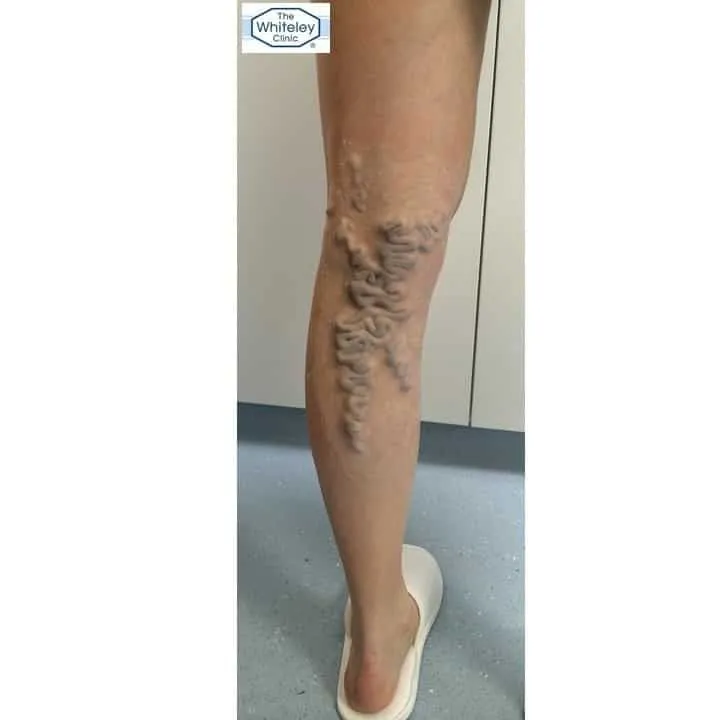
The title Blue Roses stems from a vivid childhood observation. As a young girl, Marianna noticed blue veins on a relative’s leg. Without medical terminology, she described them as “blue roses. "This simple, yet poignant phrase became the conceptual foundation for the film. Consequently, it transforms varicose veins into a subject of emotional as well as scientific inquiry. By linking personal memory with clinical realities, the Blue Roses film offers a perspective rarely seen in medical narratives.
Although artistic in style, the Blue Roses film relies heavily on established medical principles. Marianna Simnett studied Understanding Venous Reflux – the Cause of Varicose Veins and Venous Leg Ulcers by Professor Mark Whiteley. This work explains haemodynamic mechanisms, valve failure, and the progression of chronic venous disease, which underpin the Whiteley Protocol. As a result, the production benefited from input by Professor Whiteley and The Whiteley Clinic in London.
Key medical aspects highlighted in the film include:
These elements ensure that the Blue Roses film balances creativity with medical authenticity, offering viewers a clear understanding of venous health.
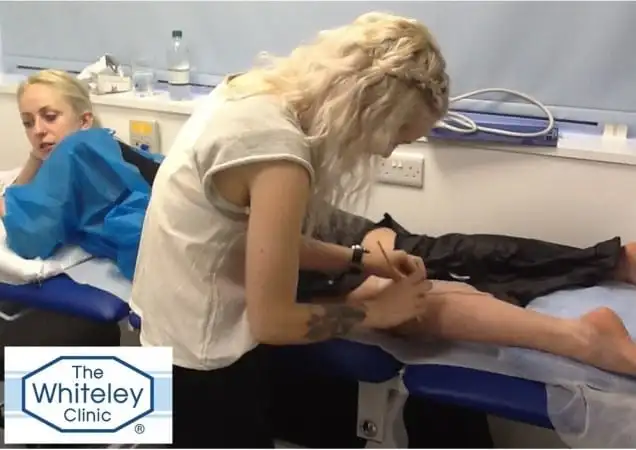
Production of the Blue Roses film spanned multiple settings. Initial scenes were filmed in London, followed by special-effects work in a professional studio. Final sequences were captured in a laboratory in the United States. Each location contributed uniquely:
Collaboration between Marianna Simnett and producer Emily Rudge, alongside clinical supervision by Carla Da Silva, Lead Nurse at The Whiteley Clinic, ensured that both artistic and medical standards were met. Additionally, this synergy between the creative and clinical teams facilitated an authentic portrayal of medical conditions, enhancing the film's credibility. Moreover, the collaboration highlighted the importance of interdisciplinary efforts in producing meaningful and educational content.
Silicone prosthetic veins were employed to enhance realism. This approach allowed the Blue Roses film to depict the appearance and texture of varicose veins without misrepresentation. Consequently, the combination of clinical knowledge and cinematic technique strengthens authenticity. Furthermore, this meticulous attention to detail not only educates viewers about the medical condition but also deepens their emotional connection to the characters' experiences.
Transitioning smoothly between symbolic imagery and medical accuracy, the film communicates complex concepts in a visually compelling manner.
The Blue Roses film was screened at prominent cultural venues, including Comar on the Isle of Mull and the Serpentine Gallery in London as part of the Park Nights programme. These exhibitions positioned the project within contemporary art. At the same time, they introduced medical themes to a wider audience. Consequently, the film bridged the gap between art and science. As a result, it reached viewers who might not usually engage with medical discussions.
Ultimately, the Blue Roses film demonstrates how art can reshape conversations about varicose veins. By merging medical science with symbolic storytelling, it challenges traditional narratives.
Viewers gain a deeper understanding of venous conditions; moreover, they engage with the emotional and human aspects of the experience. Consequently, this dual engagement enriches their viewing experience, providing both educational and empathetic insights. Years after its release, the Blue Roses film remains a powerful example of the intersection between clinical knowledge and creative vision. Furthermore, it continues to inspire discussions and reflections on how storytelling can enhance medical education.
Read More: Understanding Vein Disease