

How Can You Effectively Treat Calluses and Corns on Feet?
August 15, 2026
Thread veins and varicose veins treatment requires more than simply improving the appearance of visible veins. Although many people consider thread veins a cosmetic skin concern, they can often indicate underlying venous problems that need specialist assessment. Professor Mark Whiteley, Consultant Vascular Surgeon and founder of The Whiteley Clinic, has developed advanced approaches to vein diagnosis and treatment, focusing on personalised care based on each patient’s individual vein structure and condition.
Professor Mark Whiteley is a leading Consultant Vascular Surgeon with extensive experience in the diagnosis and treatment of venous conditions. As the founder of The Whiteley Clinic, he has contributed to the development of modern vein treatment approaches that focus on identifying the real cause of venous problems rather than only treating visible symptoms.
Throughout his career, Professor Whiteley has specialised in minimally invasive vein procedures and advanced diagnostic techniques. His expertise includes the management of varicose veins, hidden varicose veins, venous reflux and thread veins.
His approach combines detailed assessment with evidence-based treatments. By using advanced ultrasound imaging, specialists can identify abnormal blood flow and hidden vein problems that may not be visible on the skin’s surface.
Professor Whiteley’s expertise has also been recognised outside clinical practice. The online health and beauty magazine Get The Gloss features Professor Mark Whiteley as one of its expert contributors.
Through this platform, registered users can ask questions and access professional information from Professor Whiteley and other specialists featured by the publication. This recognition demonstrates Professor Whiteley’s dedication to sharing specialist expertise and providing accurate information that supports a better understanding of venous health.
By sharing specialist knowledge with a wider audience, Professor Whiteley helps separate scientifically proven treatments from common misconceptions about vein care.
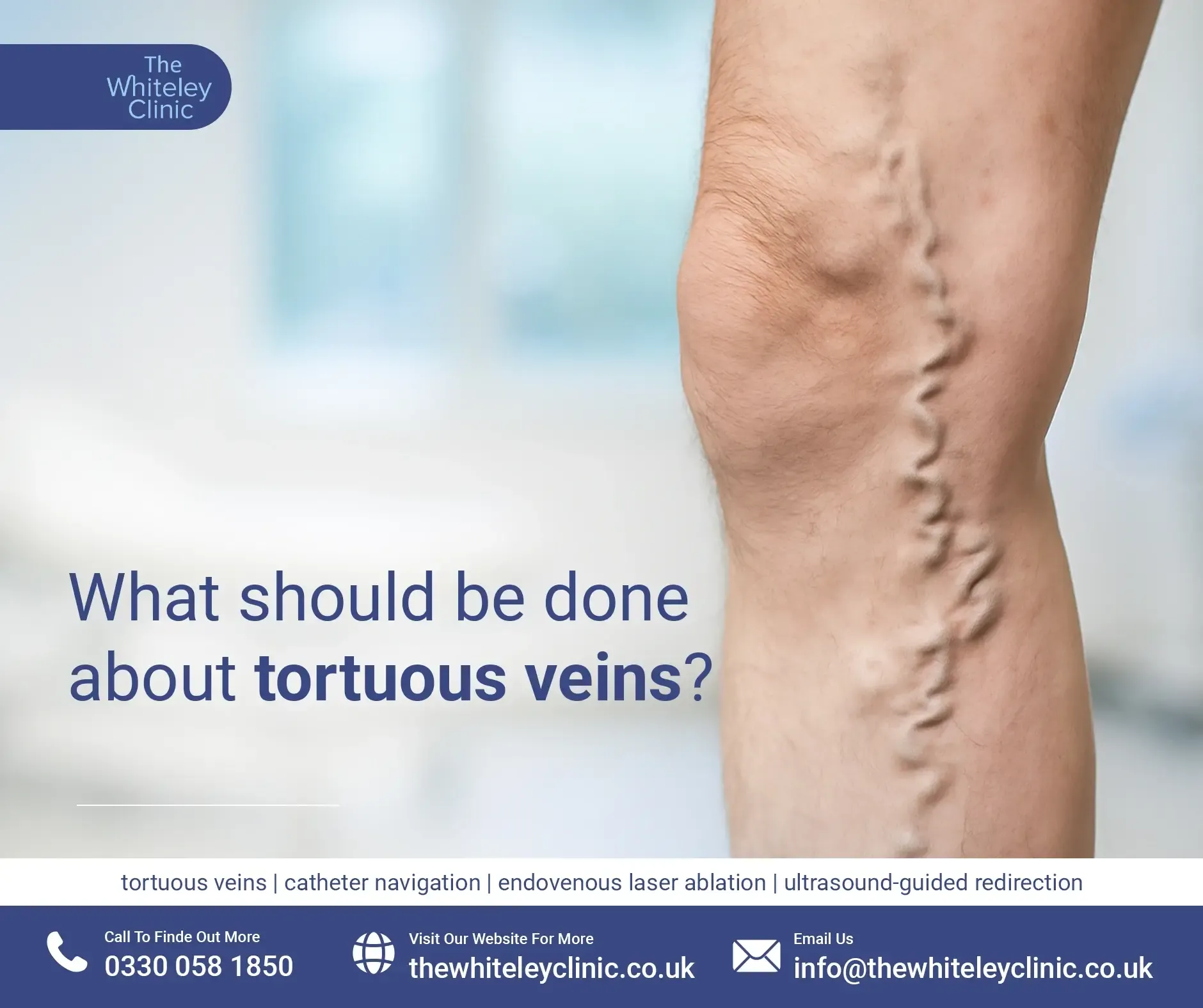
Thread veins, also known as spider veins, are small visible blood vessels that appear close to the skin surface. Many people assume they develop only because of ageing, lifestyle factors or cosmetic concerns. However, the underlying cause can often involve problems within deeper veins.
In many cases, faulty valves inside the veins allow blood to flow backwards. This condition, known as venous reflux, increases pressure inside the venous system and can contribute to the development of visible thread veins and varicose veins.
Some people with thread veins may also have hidden varicose veins. These veins cannot be seen externally but may affect treatment outcomes if they remain untreated.
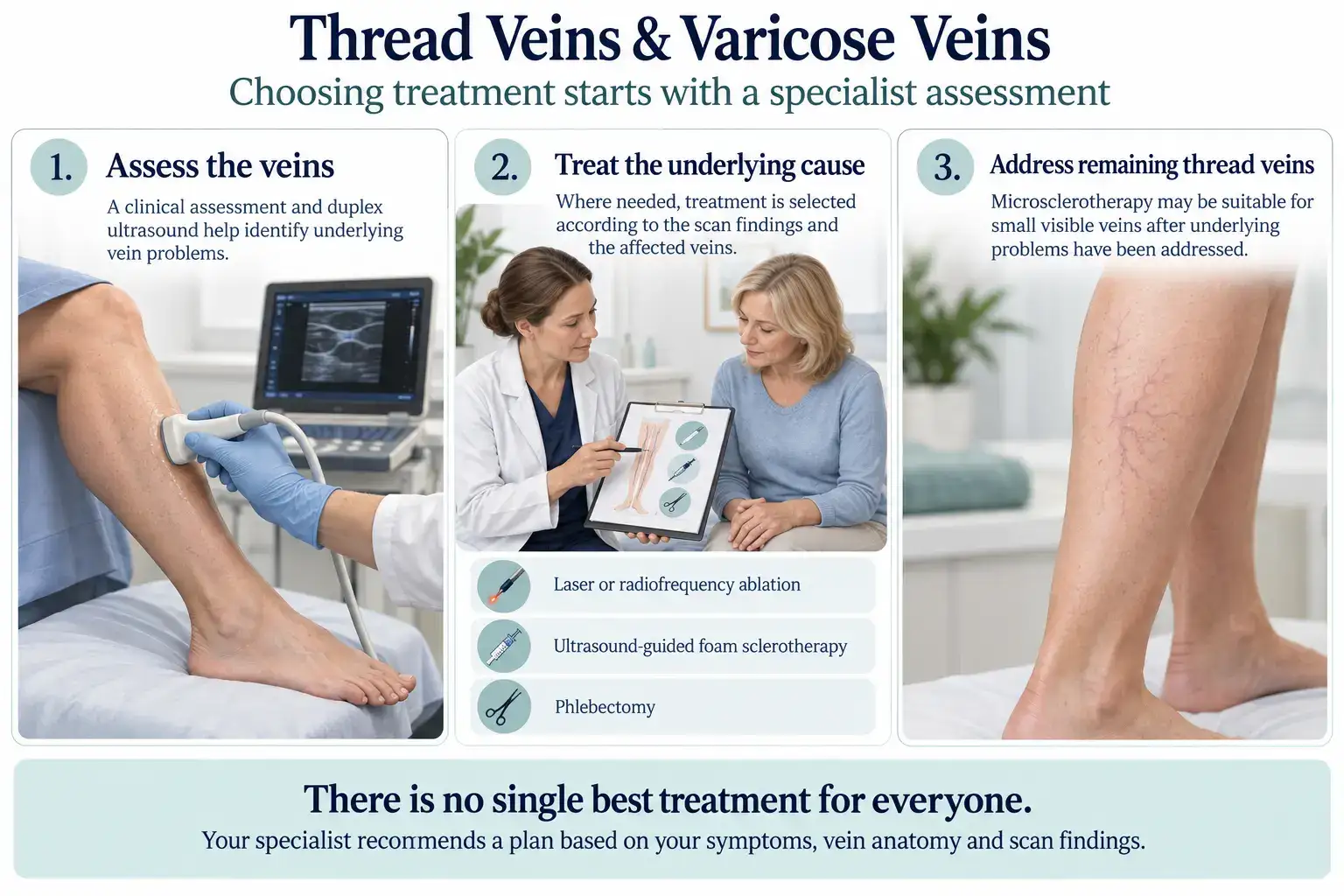
Successful thread veins and varicose veins treatment begins with accurate diagnosis. Therefore, personalised thread veins and varicose veins treatment focuses on identifying the exact cause of venous problems before selecting the most suitable procedure.Treating visible veins without investigating possible underlying venous disease may lead to disappointing results, recurrence or incomplete improvement.
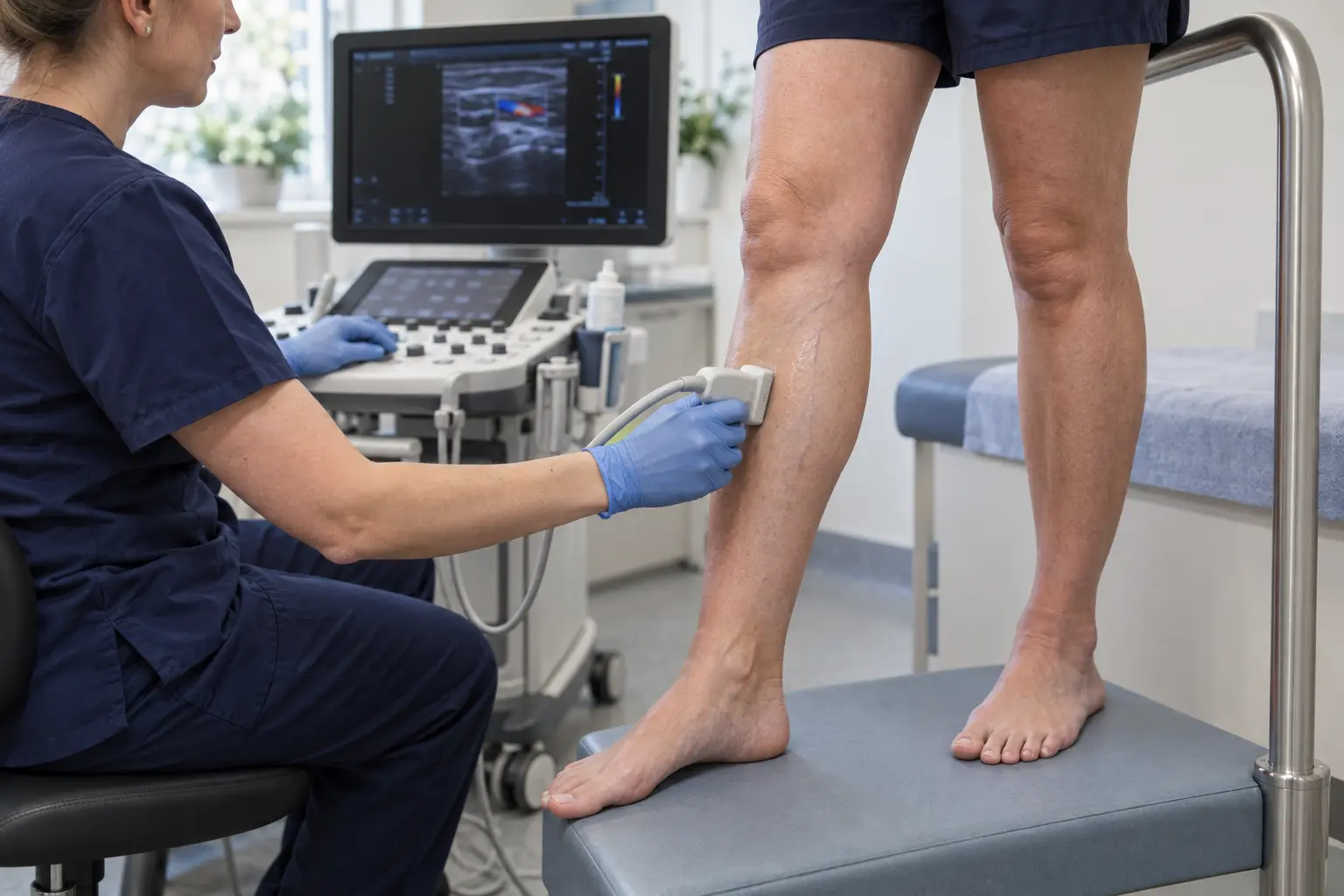
At The Whiteley Clinic, specialists use duplex ultrasound scanning to assess blood flow and identify hidden vein problems. This detailed examination helps create a personalised treatment plan based on the patient’s specific venous condition.
The location, size and function of affected veins determine which treatment approach provides the best outcome. Therefore, vein treatment is not based on a single solution for every patient.
The Whiteley Clinic provides a range of minimally invasive treatments designed to address different types of venous conditions. As a result, advanced thread veins and varicose veins treatment can be tailored to each patient’s specific vascular needs.
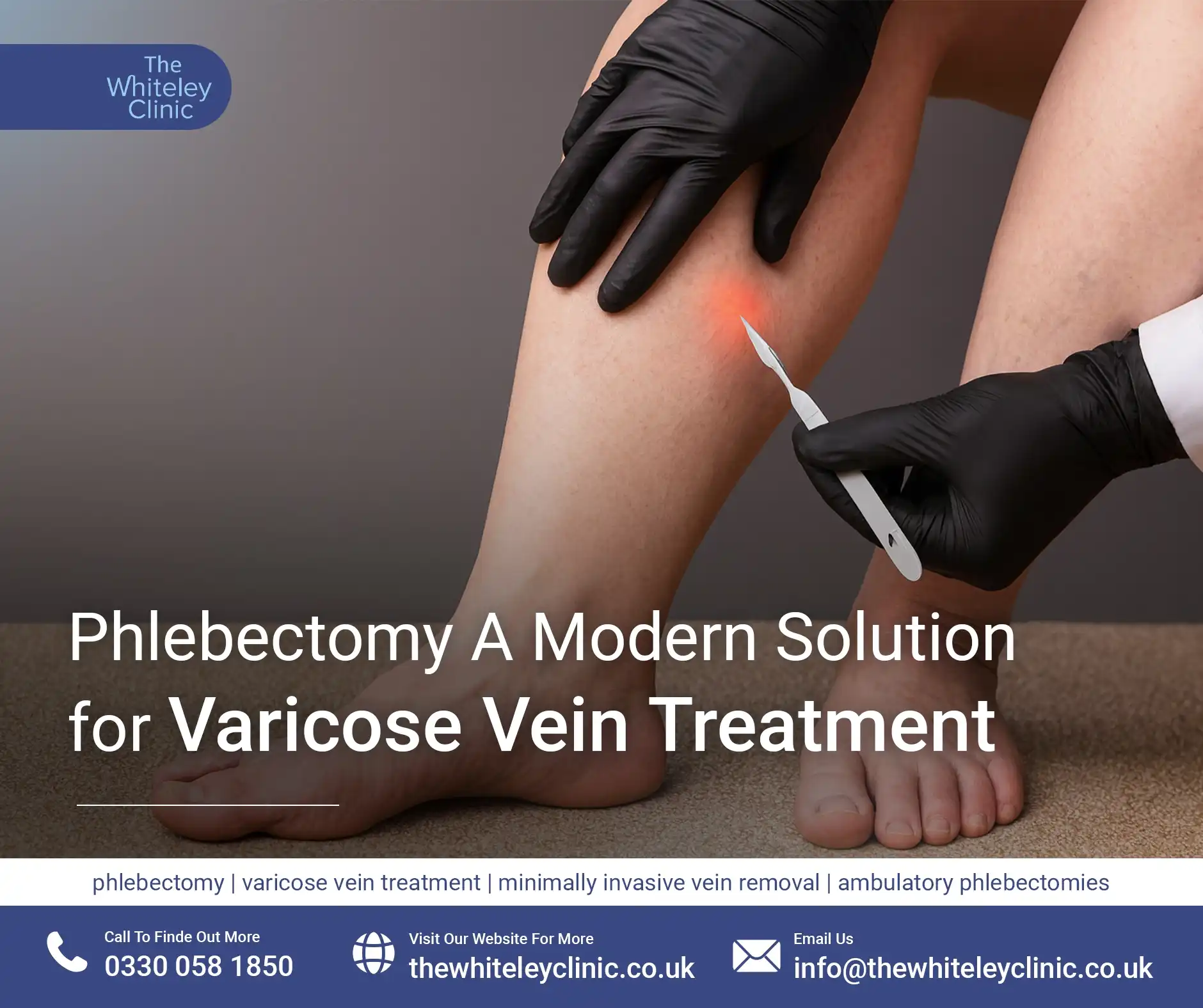
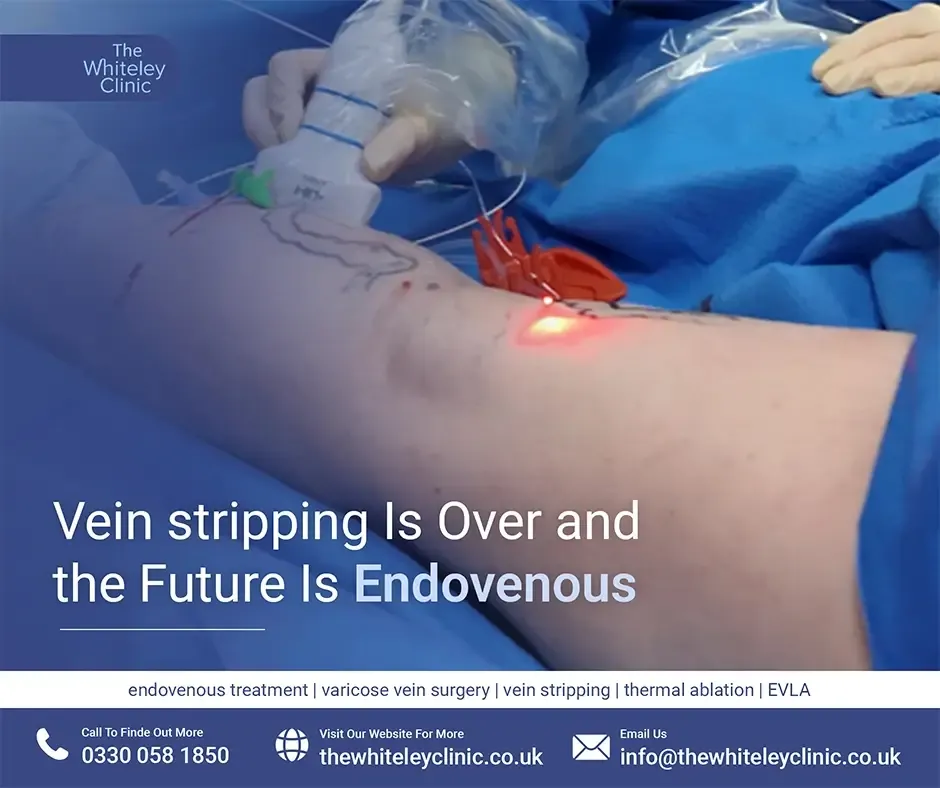
Depending on the ultrasound findings, treatment options may include endovenous laser therapy (EVLT), radiofrequency ablation, ultrasound-guided foam sclerotherapy, phlebectomy and other advanced techniques.
For remaining thread veins after underlying vein problems have been treated, microsclerotherapy can provide precise treatment. In this procedure, a specialist targets the remaining small veins with a sclerosant solution, encouraging them to close naturally as the body gradually reabsorbs them.
This structured approach aims to treat both the visible veins and the underlying causes behind them.
Effective vein treatment is not only about removing visible veins. It requires understanding the complete venous system and addressing the factors that contribute to vein problems.
With Professor Mark Whiteley’s specialist knowledge and The Whiteley Clinic’s personalised treatment approach, patients receive care based on detailed diagnosis and modern vascular techniques.
For people looking for thread veins and varicose veins treatment, choosing a specialist clinic that investigates the underlying cause can help achieve more reliable and long-lasting results.