
How Can You Effectively Treat Calluses and Corns on Feet?
August 15, 2026
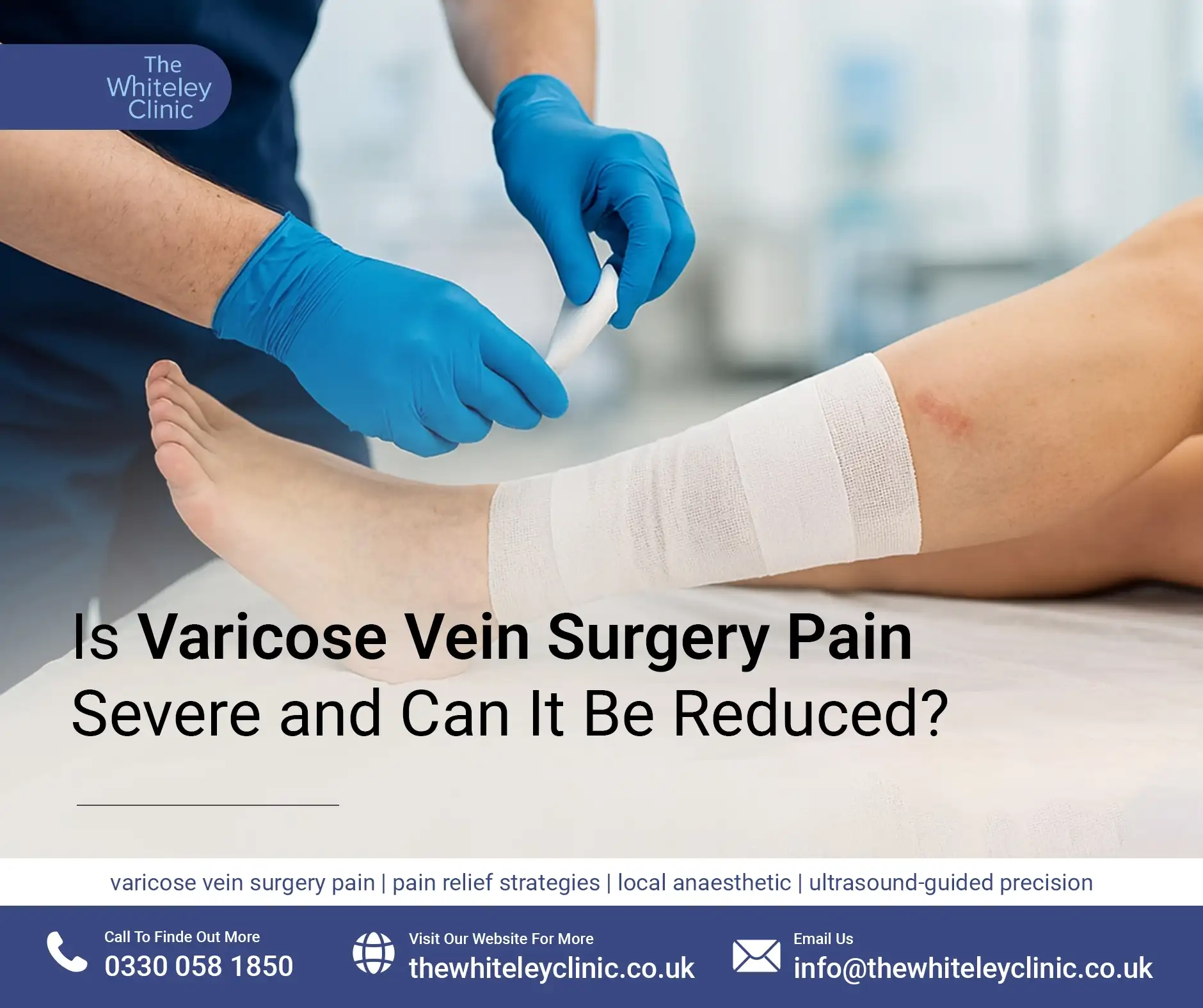
Managing varicose vein surgery pain has been a priority for specialists for more than a decade. Early research in 2014 highlighted simple but effective ways to reduce pain and anxiety during treatment. Today, in 2025, these insights have expanded into a broader strategy combining medical innovation with patient-centred care. This article explores the original findings and shows how modern techniques now make varicose vein surgery safer, more comfortable, and less stressful for patients.
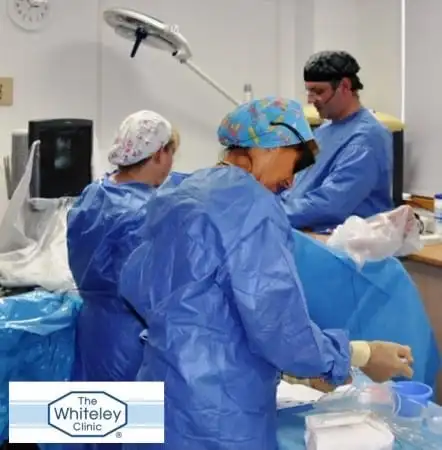
In 2014, researchers at the University of Surrey and The Whiteley Clinic studied different ways to reduce varicose vein surgery pain and anxiety during keyhole surgery performed under local anaesthetic. This type of surgery allows patients to stay awake, which means they may notice conversations and even feel mild discomfort during the procedure.
The researchers explored four ways to distract patients during surgery: listening to music, watching a DVD, having a one-on-one conversation with a nurse, and squeezing a stress ball. The findings revealed interesting differences. Music did not influence patients’ experience. Watching a DVD helped reduce anxiety, but it did not lessen the varicose vein surgery pain. In contrast, patients who engaged in a conversation with a nurse experienced 30% less anxiety and a 16% reduction in pain. Those who used a stress ball reported an 18% decrease in anxiety and the most significant relief from pain, lowering it by 22%.
The researcher, Briony Hudson, carried out this work under the supervision of Professor Jane Ogden at the University of Surrey and Professor Mark Whiteley. She personally submitted her research to the University of Surrey, and the university granted her a PhD in autumn 2014.
The findings were published in the European Journal of Pain in 2015 and reported by Medical Daily. The study confirmed that simple non-drug methods can significantly ease both anxiety and varicose vein surgery pain for patients.
These findings were important because they showed that small interventions could significantly change how patients feel during surgery. Since then, clinics like The Whiteley Clinic have incorporated these lessons into routine practice. Patients are now encouraged to use relaxation techniques, distraction tools, and supportive communication during their treatment.
Over the past ten years, medical practice has advanced considerably. While the original techniques continue to offer benefits, new methods now provide even more effective ways to reduce varicose vein surgery pain.
Read More: Understanding Vein Disease
By 2025, the management of varicose vein surgery pain combines advanced technology with personalised care. Some of the latest approaches include:
These advances mean patients today experience significantly less pain and anxiety than those treated a decade ago.
Controlling varicose vein surgery pain is more than comfort. It also helps recovery. When patients feel less anxious and less sore during treatment, they move sooner after surgery, return to daily life more quickly, and are more satisfied with their results. Lower stress may also support better healing outcomes.
The study helped researchers understand how to better support patients during conscious surgery. As a result, doctors today manage varicose vein surgery pain more effectively than ever by combining technology, environmental comfort, and psychological support.
Future studies will probably investigate wearable devices, digital therapies, and additional improvements in anaesthesia. Still, the core principle remains unchanged: doctors must always prioritise patient comfort.
Read More: The Whiteley Protocol®
Over the past ten years, varicose vein surgery has undergone major advancements. Early research demonstrated that using stress balls and having one-on-one conversations with nurses helped relieve discomfort, while today, modern anaesthetic techniques and personalised patient care further lower both pain and anxiety. By combining evidence-based medicine with patient-friendly approaches, clinics such as The Whiteley Clinic continue to lead the way in modern vein treatment.