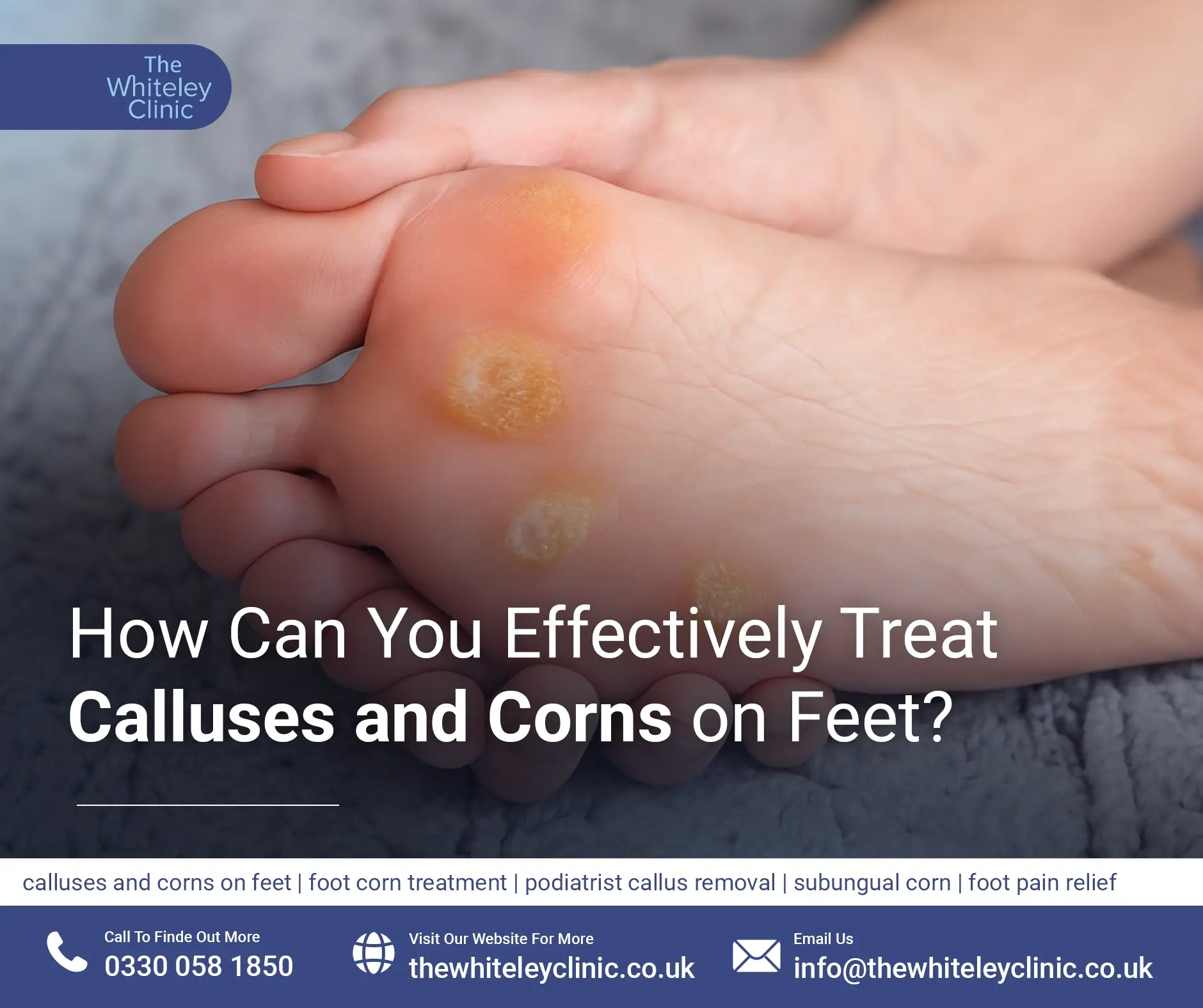
How Can You Effectively Treat Calluses and Corns on Feet?
August 15, 2026
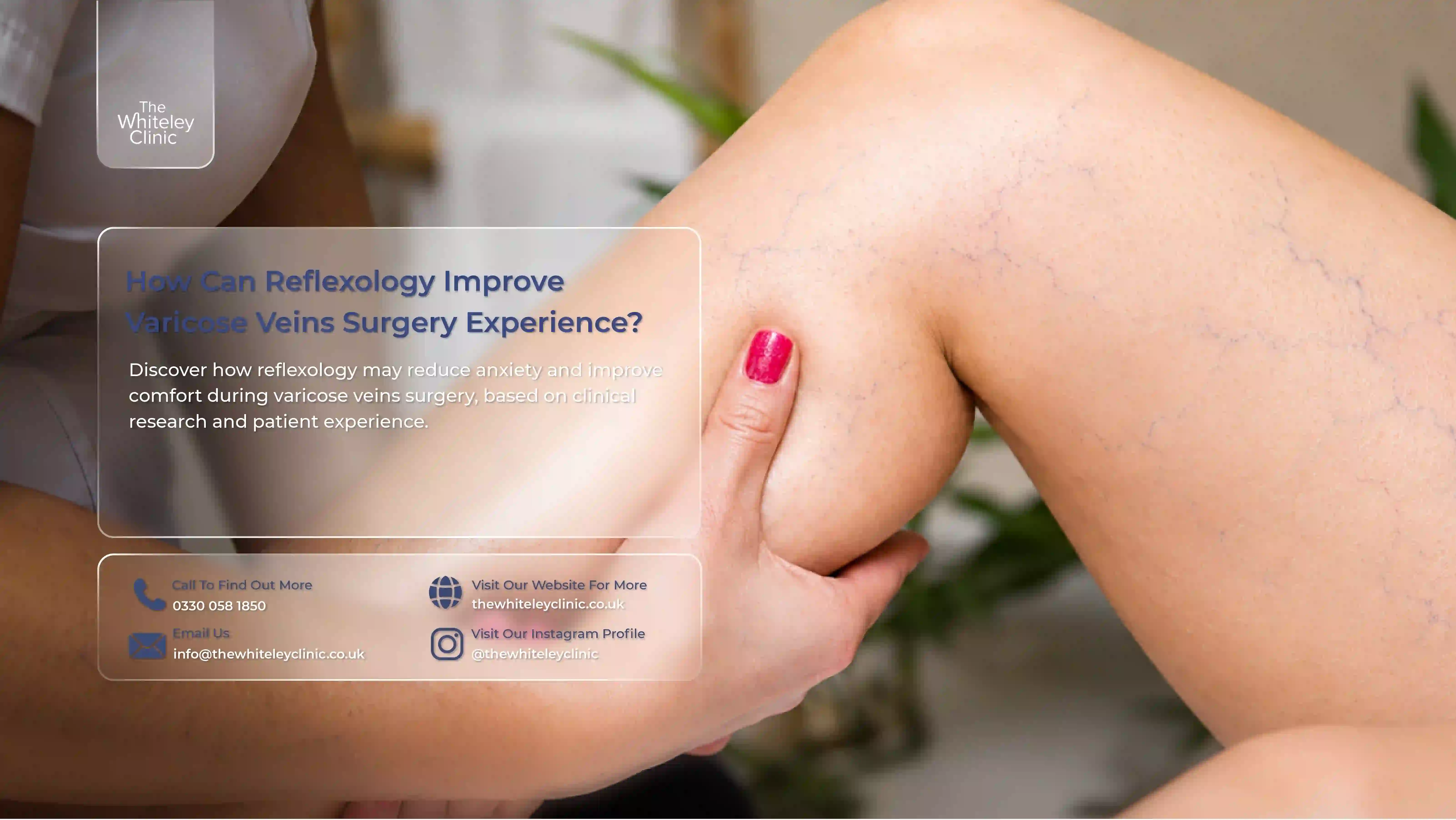
Practitioners apply controlled pressure to specific areas of the hands or feet in reflexology, which is a complementary therapy believed to correspond to different organs and systems of the body.
This article explains what reflexology is, how it works, and how clinical research has evaluated its role in improving patient experience during varicose veins surgery.
Reflexology is based on the principle that targeted manual stimulation can influence the nervous system and promote relaxation. Practitioners apply rhythmic pressure to defined reflex points, most commonly on the hands or feet. As a result, the therapy aims to reduce stress, support autonomic regulation, and improve overall wellbeing.
Importantly, the method does not treat structural venous disease. Instead, it is used as a supportive intervention to improve comfort and emotional response during medical procedures. For this reason, the approach is often classified as a complementary rather than an alternative therapy.
Modern varicose veins treatment relies on minimally invasive techniques performed under local anaesthetic. These procedures are generally associated with minimal physical discomfort, yet emotional stress during surgery remains a frequent issue for patients. In response to this concern, this supportive method has attracted clinical interest as a non-drug approach during venous interventions. By encouraging relaxation and modulating autonomic nervous system responses, the technique may enhance the overall procedural experience without affecting medical outcomes.
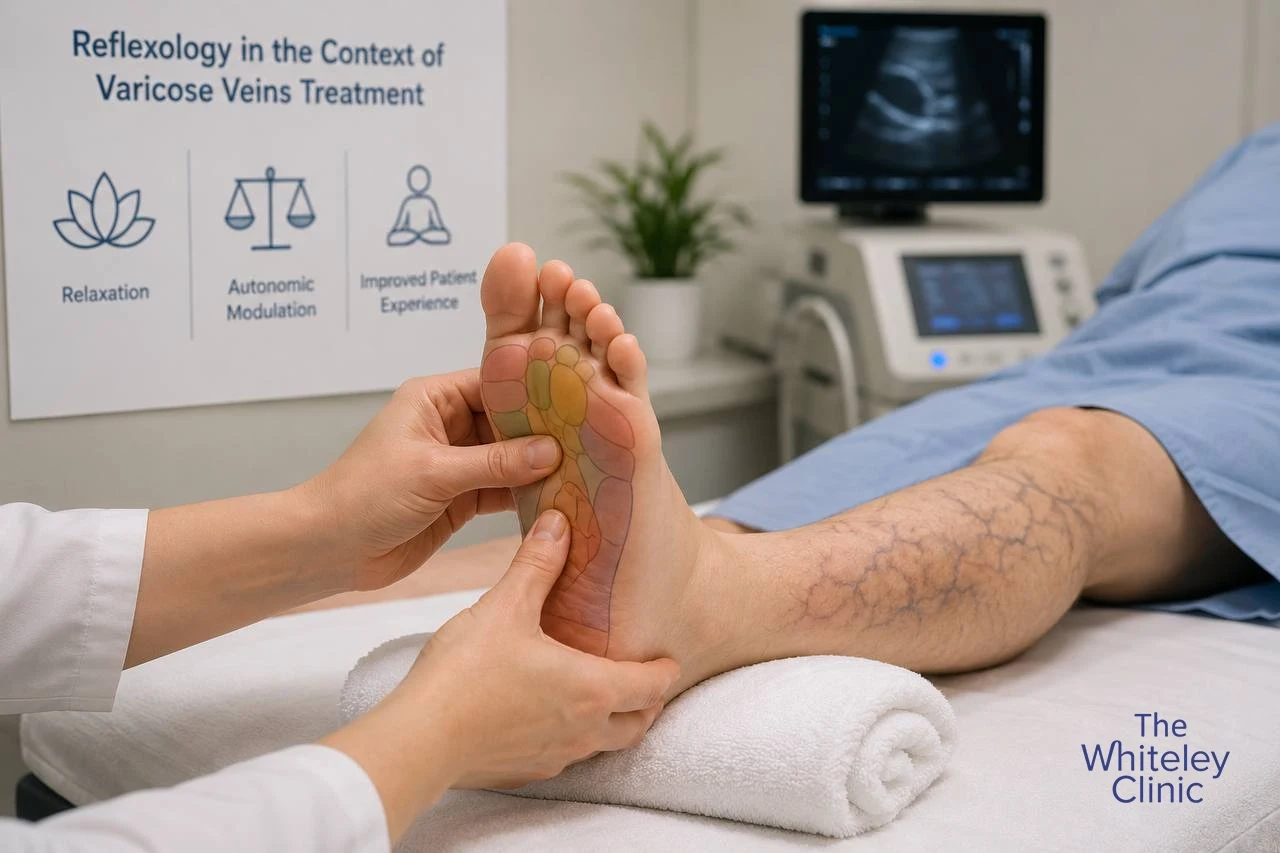
Clinical interest in reflexology during varicose veins surgery increased following a randomised controlled trial conducted in 2015. The study evaluated the effects of the technique applied to the hands during minimally invasive varicose veins procedures performed under local anaesthetic. The primary outcome focused on intra-operative anxiety. The findings demonstrated that this method significantly reduced anxiety levels during surgery compared with standard care alone. This reduction reached statistical significance, indicating a measurable and clinically relevant effect.
The study assessed post-procedural pain in addition to anxiety reduction. Although the surgery for varicose veins under local anaesthetic already showed low baseline pain levels, reflexology reduced the duration of pain experienced after the procedure.
However, because overall pain intensity was minimal across all participants, the study could not demonstrate a significant reduction in total pain scores. This outcome highlights an important distinction: reflexology influenced how long pain was felt, rather than how severe it was.
The results suggest that reflexology may enhance patient comfort during varicose vein surgery without altering the medical treatment itself. By reducing anxiety and shortening pain duration, this supportive technique may contribute to a more positive procedural experience.
The method requires no medication and does not interfere with local anaesthetic techniques. As a result, practitioners may consider it a safe adjunct for selected patients undergoing minimally invasive venous interventions.
It is essential to clarify that reflexology does not treat varicose veins or replace evidence-based vascular care. Instead, it serves as a supportive therapy that addresses psychological and sensory aspects of surgery.
When integrated responsibly, the method may help improve patient satisfaction and procedural tolerance. Ongoing research continues to explore its role within structured clinical settings.
Reflexology represents a complementary strategy that may improve the experience of varicose veins surgery by reducing anxiety and shortening pain duration. Evidence from controlled clinical research supports its potential benefits when used alongside modern minimally invasive treatments. While reflexology does not alter venous pathology, it may offer meaningful support for patients seeking a calmer and more comfortable surgical experience.
Hudson B. Hand reflexology during varicose veins surgery: a randomised controlled trial. International Journal of Nursing Studies, 2015. DOI link