
How Can You Effectively Treat Calluses and Corns on Feet?
August 15, 2026
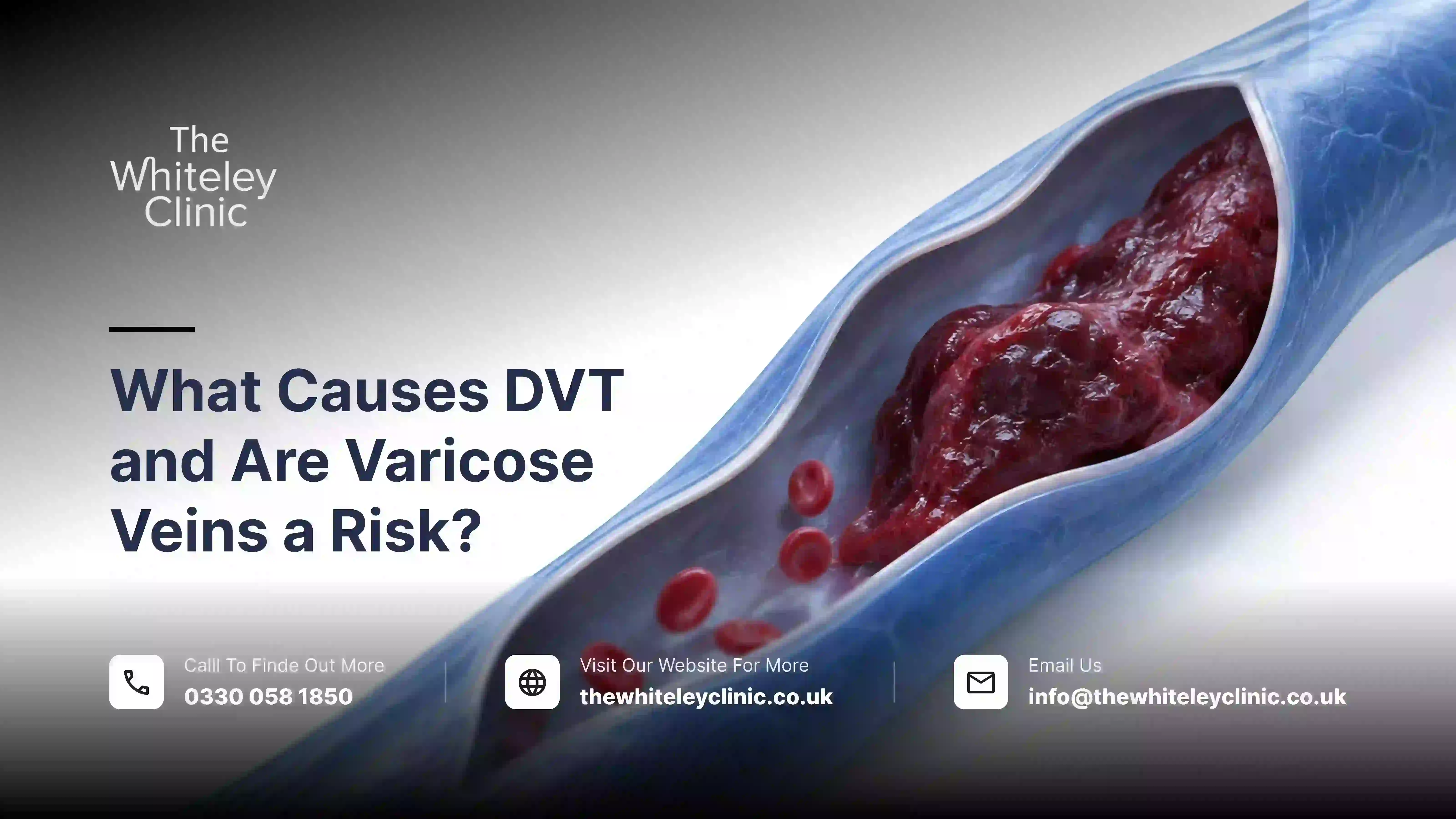
Deep vein thrombosis (DVT) develops when a thrombus blocks a deep vein, most often within the veins of the lower limb. When exploring what causes DVT, it is important to consider more than short-term lifestyle factors and recognise how blood circulation, vein function and underlying venous disorders can influence clot formation. Previous research and clinical experience have identified several risk factors, including reduced movement, surgery, dehydration, smoking, hormonal medication and certain medical conditions. However, vein problems such as varicose veins and hidden venous disease may also contribute to an increased risk of thrombosis, making accurate diagnosis an important part of prevention and treatment.
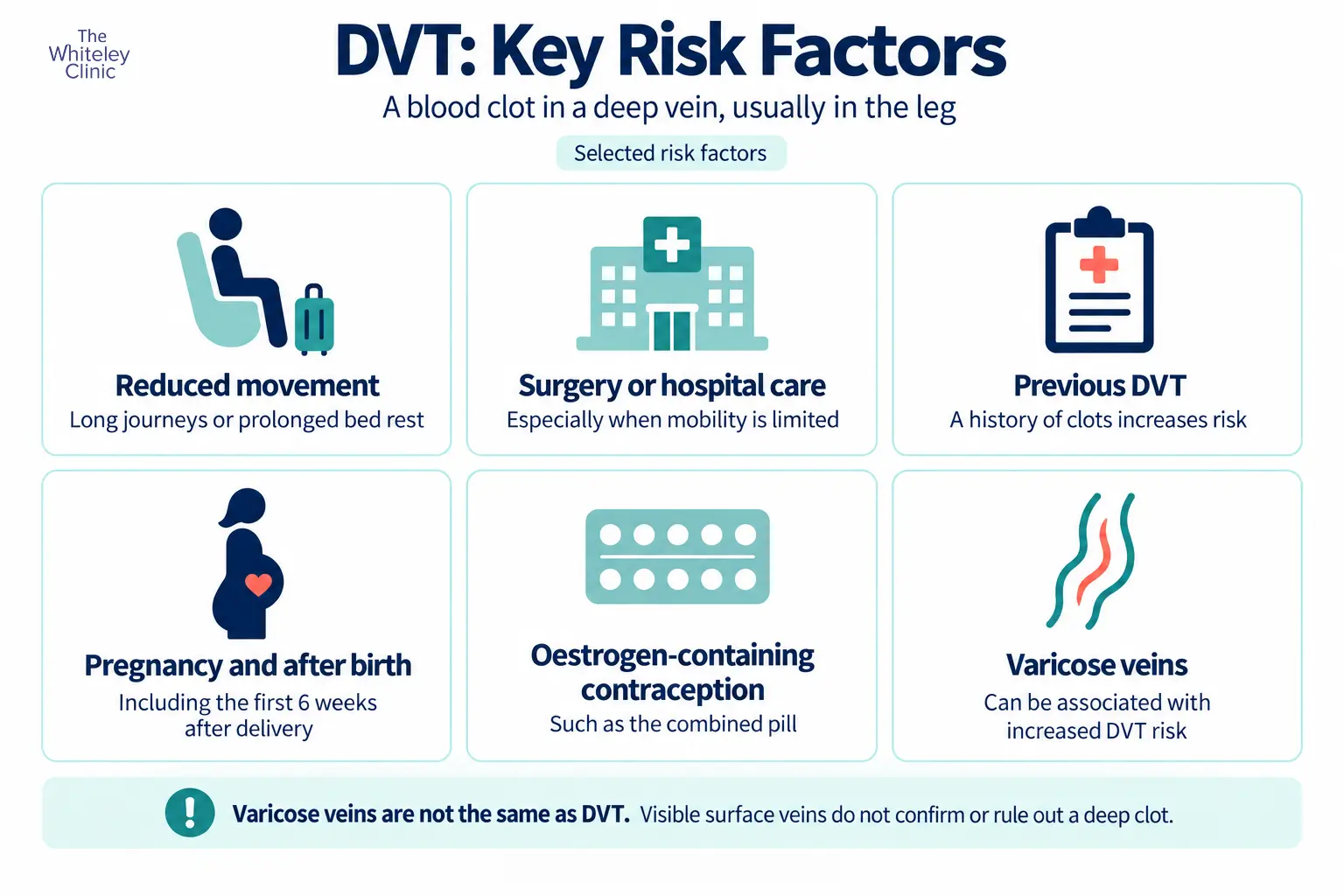
Deep vein thrombosis is a condition in which a clot develops inside a deep vein. While the lower limbs represent the most frequent location for DVT, clots can occasionally develop in deep veins elsewhere in the body.
Healthy veins rely on effective blood flow and functioning valves to return blood towards the heart. When blood flow becomes slower, blood becomes more likely to clot and the vein wall may become inflamed. These changes can contribute to thrombus formation.
Some people with DVT experience noticeable symptoms, while others may have no obvious warning signs. Common symptoms include leg swelling, calf discomfort, tenderness, warmth and changes in skin colour.
The main concern with DVT is that part of the clot may detach and travel to the lungs, causing a pulmonary embolism (PE). This can become a serious and potentially life-threatening complication.
When considering what causes DVT, specialists usually assess several contributing factors rather than one single cause. Several changes within the venous system can increase the likelihood of thrombosis, including slower blood circulation, a greater tendency for the blood to clot and inflammation affecting the vein walls.
These factors are often described as part of the body’s natural clotting response. Blood clotting itself is essential for survival because it prevents excessive bleeding after injury. However, when clot formation occurs unnecessarily inside a vein, it can lead to conditions such as DVT.
One of the recognised risk factors when considering what causes DVT is prolonged immobility. The calf muscles help push blood upwards through the veins during movement. When the legs remain still for extended periods, this natural pumping mechanism becomes less effective.
Long-distance flights, long periods of sitting, hospital stays and recovery after surgery can all reduce circulation in the legs.
Maintaining regular movement, performing simple leg exercises and avoiding prolonged periods of inactivity can help support healthy blood flow.
Surgery is a recognised risk factor for DVT, particularly major procedures involving the abdomen, pelvis or joints. Reduced mobility after surgery, changes in circulation and the body’s healing response can all contribute to an increased risk.
Certain medical conditions may also influence clot formation. Cancer, severe infections, inflammatory diseases and some chronic illnesses can affect normal blood clotting processes.
For people with a higher risk profile, doctors may recommend preventative measures such as anticoagulant medication or compression therapy.
For many years, varicose veins were often viewed mainly as a cosmetic issue. However, greater understanding of venous disease has shown that visible surface veins may sometimes indicate deeper problems within the venous system.
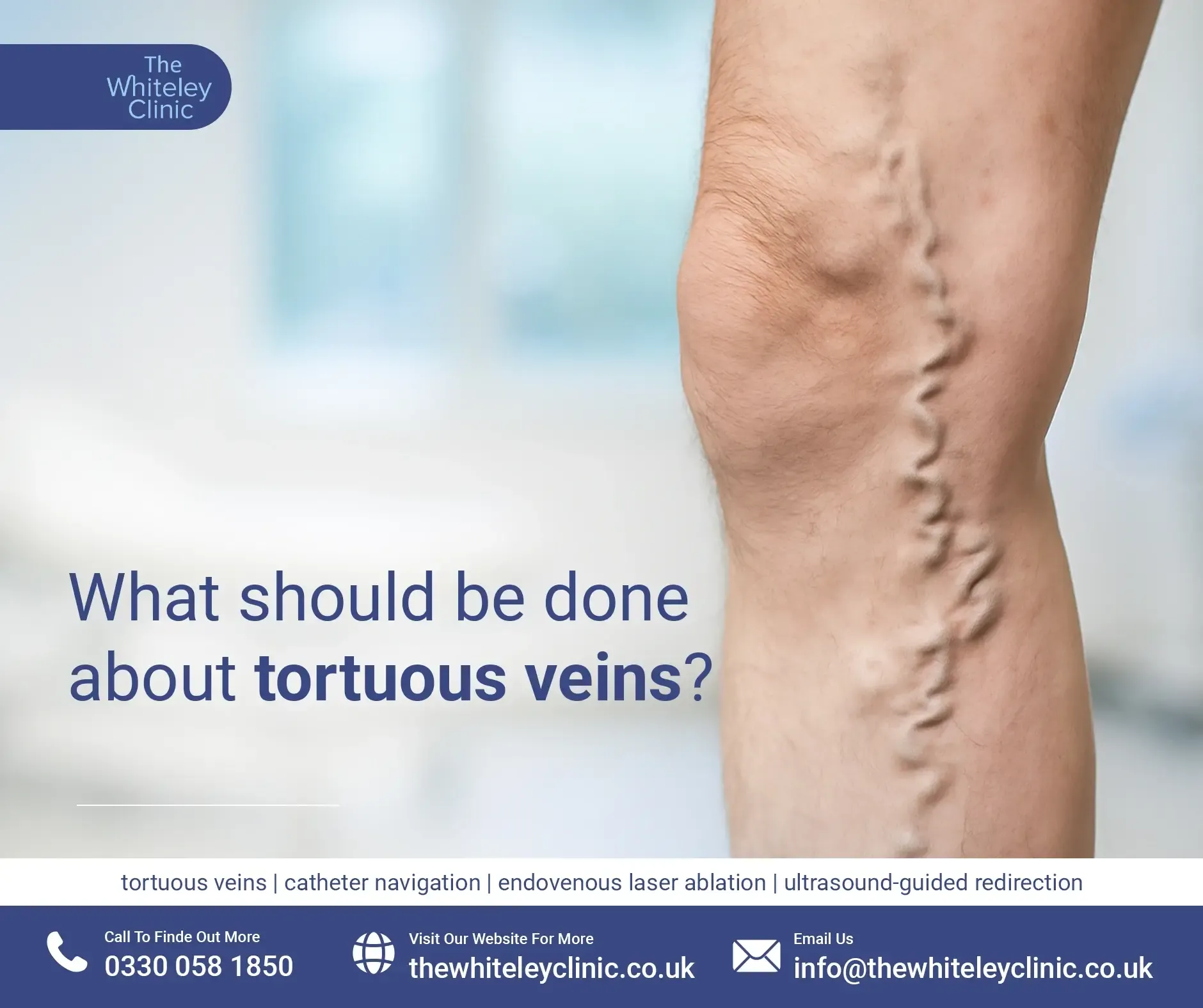
Varicose veins develop when valves inside the veins stop working correctly. This allows blood to flow backwards, a condition known as venous reflux. Over time, increased pressure and altered circulation can contribute to inflammation and changes within the vein wall.
Professor Mark Whiteley has previously highlighted that venous disease should not be judged only by visible symptoms. Some people may have hidden varicose veins, where underlying venous reflux exists without obvious bulging veins appearing on the skin.
This is an important consideration when exploring what causes DVT, because untreated venous problems may contribute to complications such as superficial venous thrombosis. In some cases, clots in superficial veins can extend into deeper veins and increase the risk of more serious complications.
Professor Mark Whiteley has consistently highlighted the need to identify the underlying cause of venous disease before selecting an appropriate treatment approach.
A duplex ultrasound scan allows specialists to assess blood flow, vein valve function and the condition of both superficial and deep veins. Specialists can then determine whether symptoms relate to venous reflux, hidden varicose veins or other circulation problems.
In an article published by Healthista, Professor Mark Whiteley discussed the causes of blood clots and explained why conditions affecting the veins should not always be underestimated. His comments highlighted the importance of recognising risk factors and seeking appropriate assessment when venous problems are suspected.
Understanding what causes DVT is not only important for prevention but also for identifying conditions that may require treatment.
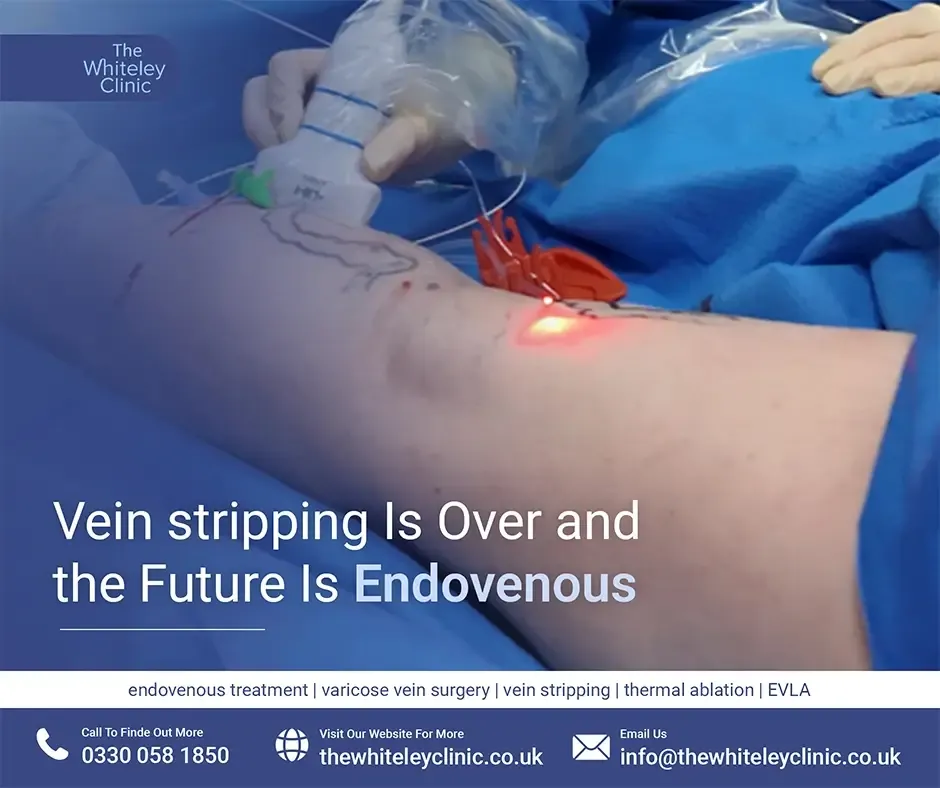
Traditional vein stripping was once commonly used for varicose veins. However, developments in endovenous techniques have changed the approach to managing venous reflux.
Minimally invasive procedures, often described as keyhole treatments, allow specialists to treat faulty veins through small access points. These techniques have developed over time and have become established alternatives for many patients.
However, successful treatment depends on accurate diagnosis. Treating visible veins without investigating the underlying cause may not provide a complete solution.
Several additional factors may help explain what causes DVT, including:
Smoking can affect blood vessel health by increasing inflammation and changing blood composition. These effects may create conditions that make clot formation more likely.
Combined contraceptive pills containing oestrogen can slightly increase the risk of venous thrombosis. This risk may become greater when combined with other factors, such as smoking, surgery or a family history of blood clots.
Dehydration can affect blood concentration and may increase the risk of clot formation. This can be particularly relevant during illness, hot weather or long journeys when fluid intake is reduced.
Some inherited conditions can affect normal blood clotting mechanisms. People with a family history of venous thrombosis may have a higher tendency to develop DVT.
Knowing what causes DVT allows people to take practical steps to reduce their risk. Staying active, maintaining good hydration, avoiding smoking and managing underlying health conditions can all support vascular health.
People with symptoms such as unexplained leg swelling, persistent calf pain or sudden changes in the appearance of a leg should seek medical advice.
For individuals with suspected vein problems, a specialist assessment with duplex ultrasound can help identify underlying issues and guide appropriate treatment.
Early recognition, accurate diagnosis and personalised management remain important approaches for reducing the complications associated with DVT and chronic venous disease.