
How Can You Effectively Treat Calluses and Corns on Feet?
August 15, 2026
The Home Test for varicose veins is a simple three-step method that helps you recognise whether the lumps or bulges on your legs are true varicose veins or something else. Many leg lumps may look similar, but vein problems do not always cause them. Lipomas, cysts, and even muscle hernias can mimic varicose veins. This article explains what varicose veins are, how to test for them at home, which symptoms may suggest hidden varicose veins, and why a specialist duplex ultrasound scan remains the gold standard for diagnosis. By the end, you will know how to tell the difference between harmless lumps and veins that need medical attention.
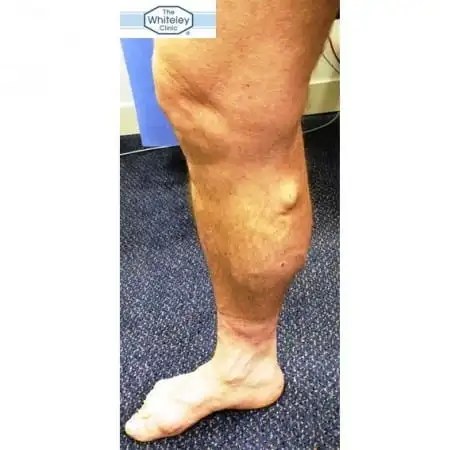
Veins that expand and curve abnormally beneath the skin are referred to as varicose veins. Normally, veins contain one-way valves that prevent blood from flowing backward. These valves keep blood from pooling in the lower legs when you stand and efficiently push it back toward the heart. Proper blood flow in healthy veins depends on the synchronized action of these valves and the surrounding muscles’ contractions.
When these valves fail or weaken, they allow blood to flow backward, a process called venous reflux. This backward flow increases pressure within the vein, causing it to stretch, bulge, and sometimes become twisted or rope-like in appearance. If untreated, these veins may gradually enlarge, causing discomfort, swelling, or other potential complications.
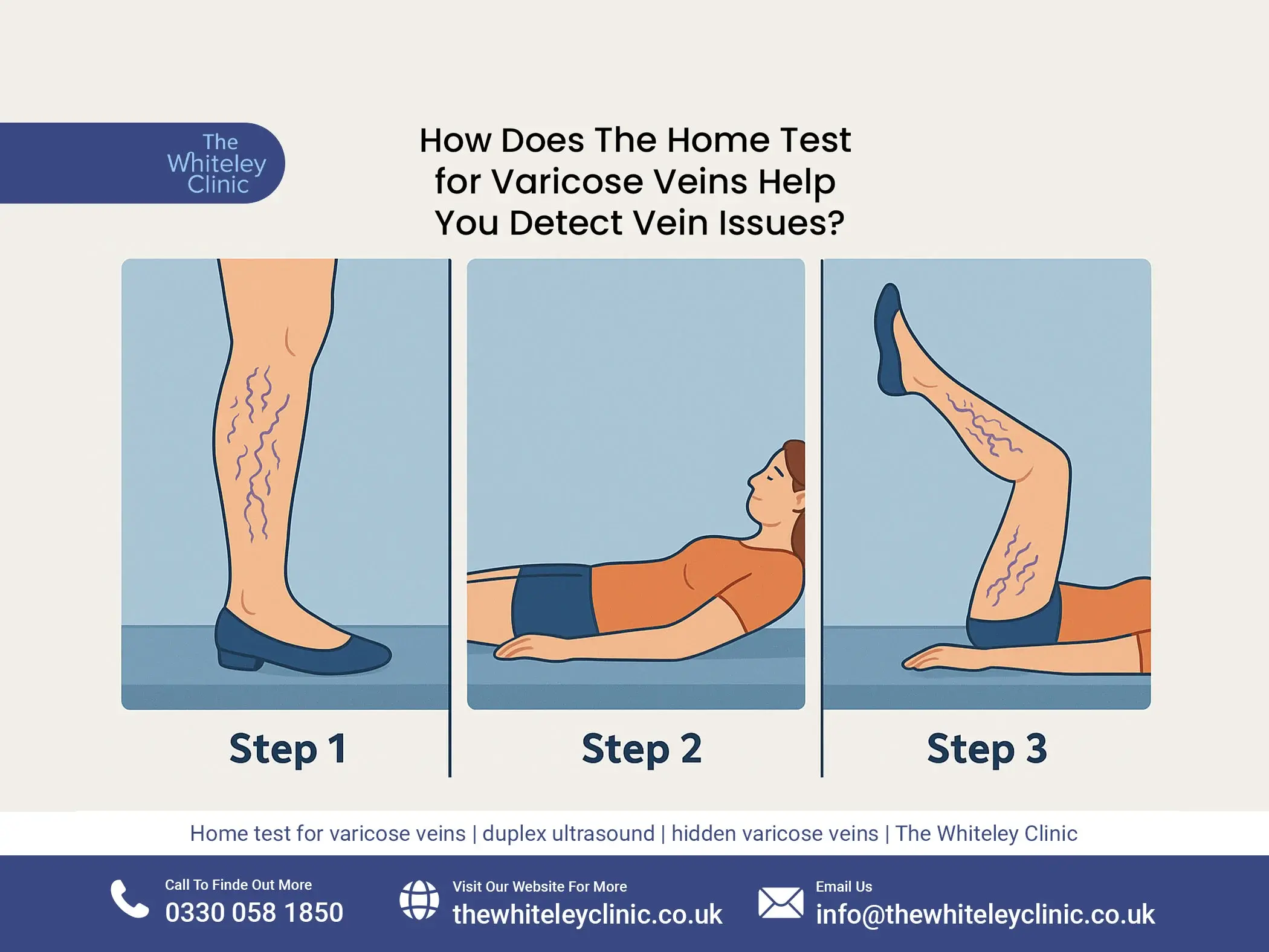
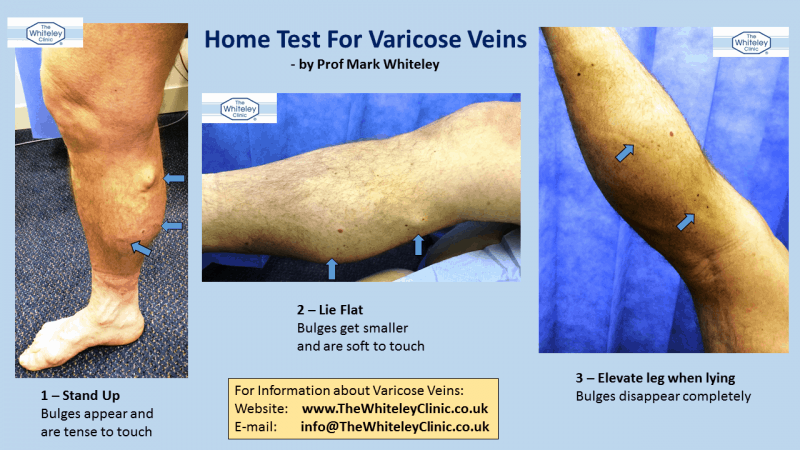
The Home Test for Varicose Veins helps you quickly determine whether the bulges or swellings on your legs come from vein problems. It relies on observing how the veins respond to changes in gravity and body position. By following three easy steps, you can gain valuable clues about whether you are dealing with varicose veins or another type of lump, such as a lipoma or cyst.
When you remain standing with your legs down for one or two minutes, faulty veins begin to reveal themselves. Blood pools inside them due to weakened valves, causing the veins to appear as tense, rope-like bulges. These are most commonly noticed on the calf, but they may also develop on the thigh, knee, ankle, or even the foot. If you press gently with your fingertip, the swelling flattens temporarily, only to return once you release it.
As soon as you lie down, gravity no longer pushes blood into the damaged veins. The pressure reduces, and the bulging veins soften or even disappear. This immediate change is a strong indicator that the swelling is connected to venous problems rather than solid tissue growth.
Finally, lifting your leg higher than heart level causes the veins to collapse completely. This happens because gravity helps blood flow back towards the heart, leaving no blood trapped inside the faulty veins. By contrast, other lumps such as lipomas, cysts, or hernias remain unchanged in all positions, making this a key difference.
The Home Test for Varicose Veins is not a replacement for professional medical evaluation, but it offers a practical first step in spotting vein-related issues at home. If you notice visible changes with this test, it is a strong sign that you may have varicose veins and should seek expert advice for proper diagnosis and treatment.
The home test relies on normal vein physiology. In healthy veins, valves close tightly and prevent backflow. In varicose veins, the valves no longer function correctly, so blood pools whenever the leg is lowered. Changing the position of the leg therefore changes the pressure in the veins. True varicose veins respond visibly to this, while other lumps do not.
The Home Test for varicose veins is only effective for visible bulges. Some patients have faulty veins deeper under the skin, known as hidden varicose veins. These are not always obvious to the eye but still cause symptoms.
Typical signs include:
Additional skin changes may also signal underlying vein disease:
If you notice any of these, even without visible varicose veins, you may still have venous reflux.
Although the Home Test for varicose veins is a useful first step, it cannot provide a complete diagnosis. The only reliable method to confirm both visible and hidden varicose veins is a detailed duplex ultrasound scan. At The Whiteley Clinic, this scan is performed by expert vascular technologists who follow the Whiteley Protocol, a structured system designed to examine every important vein pathway.
This approach ensures that not only the main superficial and deep veins are checked, but also the perforating veins and, when appropriate, the pelvic veins. By doing so, no potential source of venous reflux is overlooked.
In contrast to a simple visual check, a duplex ultrasound provides a complete view of blood flow within your legs. This information is vital for creating a personalised treatment plan that reduces the risk of recurrence and prevents hidden problems from being missed.
Many people believe varicose veins are simply a cosmetic concern. If left untreated, reflux may result in long-term issues, including skin changes, pigmentation, eczema, and venous leg ulcers. These conditions can be painful, unsightly, and much harder to treat later on.
By starting with the Home Test for varicose veins, you can get an early indication of whether your lumps are due to vein disease. If the findings indicate varicose veins, or if symptoms occur without obvious bulges, scheduling a duplex scan is the most reliable next step.
If you remain uncertain after performing this method, you can take a clear photo of your legs in both standing and raised positions. Email the image to [email protected], and our specialists will advise you.
It is also worth being aware of risk factors such as prolonged standing, pregnancy, obesity, and family history. These make varicose veins more likely to develop. Paying attention to these risks alongside the home test gives you a better understanding of your leg health.
The Home Test for varicose veins is a simple and practical way to distinguish between varicose veins and other common lumps. The three-step process of standing, lying down, and raising your leg shows how faulty veins behave differently from cysts, lipomas, or hernias.
Nonetheless, this does not replace a professional medical assessment. If you observe swollen veins, feel leg pain, or detect changes in your skin, a duplex ultrasound at The Whiteley Clinic can identify the cause and inform the appropriate treatment. Early action helps avoid complications while preserving both the health and appearance of your legs over time.